
Understanding Acoustic-Electric Guitars: A Comprehensive Guide
If someone suggested to you that an acoustic-electric guitar is the right choice, they likely see how well it can cater to your musical needs. This unique instrument artfully combines the characteristics of both acoustic and electric guitars, providing a versatile option for musicians. However, it’s crucial to understand that an acoustic-electric guitar is not a substitute for an electric guitar. So, what exactly is this instrument? What advantages does it offer, and when might it be the best choice for you? Read on to uncover everything you need to know about acoustic-electric guitars.
What Is an Acoustic-Electric Guitar?
An acoustic-electric guitar is essentially an acoustic guitar that comes equipped with built-in electronics. Typically, this means it includes piezo pickups and an active preamp that runs on a 9-volt battery. Some models may incorporate passive electronics, like standalone piezo pickups, or, in rare cases, magnetic pickups similar to those found on traditional electric guitars. Let’s delve into the specifics of acoustic-electric guitars, starting with their fascinating history and moving through to how they function and their many benefits.
A Brief History of Acoustic-Electric Guitars
The modern acoustic guitar has been around since the 19th century, but achieving sufficient volume has always been a challenge. Compared to other instruments, guitars often struggle to be heard—particularly against percussion and brass sections. While larger guitar bodies and improved designs helped matters somewhat, it still wasn’t enough.
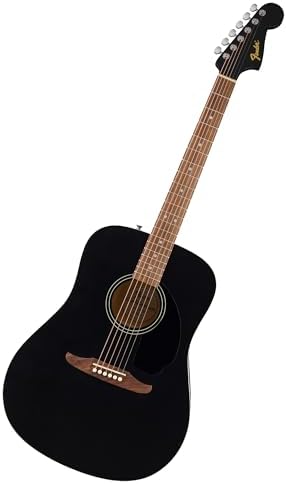
Electric guitars entered the scene in the early 20th century, revolutionizing how we think about amplification. In the 1930s, however, some innovative minds started applying electric technology to acoustic guitars to address the volume issue. These early models could connect directly to PA systems, helping them stand out in louder musical environments. Vivi-Tone was the first brand to offer pickups for acoustic guitars, and Gibson also contributed to this technology in the 1950s with their own unique solutions.
As the decades passed, piezo pickups made their mark on the music world. While different from magnetic pickups, piezo systems proved immensely beneficial as they maintained the authentic sound of an acoustic guitar. The advent of acoustic-electric guitars transformed live performances, replacing cumbersome microphone setups with simpler, built-in electronics. Today, these instruments are popular across various musical genres, and they retain their acoustic functionality, allowing you to play unplugged as well.
How Do Acoustic-Electric Guitars Work?
Having introduced the concept, let’s explore how these fascinating guitars operate, with a particular focus on their electronic components.
The Electronics Behind the Sound
The electronics within acoustic-electric guitars can vary, yet they generally share some common features. Active electronics are more prevalent compared to passive ones, which adds another layer of convenience for musicians. While guitars with magnetic pickups can exist in an acoustic-electric format, they are relatively rare and can sound more like traditional electric guitars. This can also lead to issues like feedback, especially since pickups are often located right at the soundhole. A soundhole cover can mitigate this risk.
Most acoustic-electric guitars utilize piezo pickups or “undersaddle” pickups, located under the guitar’s saddle to capture string vibrations efficiently. This transformation from physical to electrical signals allows the guitar to be amplified. If the instrument includes an active preamp, the signal is sent for further processing and amplification. These preamps often feature simple controls and, sometimes, additional functionalities like equalizers. They are typically powered by standard 9-volt batteries.
For guitars with passive electronics, an external preamp, such as a pedal or mixer, is required to amplify the signal. This may include a phantom power function for further amplification.
Different Variations of Acoustic-Electric Guitars
Acoustic-electric guitars come in a wide range of shapes and sizes. Notably, piezo pickups work effectively with both steel-string and nylon-string guitars. This versatility is a major advantage, especially since nylon strings typically do not work well with magnetic pickups.

You will also find electric guitars designed specifically for silent performances that feature simplified solid bodies and piezo pickups. These serve as excellent options for amplified solo acts or electric bands. Many modern acoustic-electric guitars sport thinner bodies, with models like Fender’s Acoustasonic line creatively merging piezo and magnetic pickups in a single instrument.
The Advantages of Acoustic-Electric Guitars
Acoustic-electric guitars are commendable for their capacity to deliver an acoustic-like tone without the hassle of microphone placement. This factor plays a crucial role in both live and studio settings. Moreover, they can be played unplugged, or the musician can blend the sounds from piezo pickups and microphones for a rich audio experience.
These versatile instruments shine during live concerts, especially for electric bands needing an acoustic sound. Setting up microphones in a loud environment can be quite a challenge, but with an acoustic-electric guitar, that issue vanishes.
Not to Be Confused with Semi-Acoustic Guitars
It’s essential to clarify that “acoustic-electric” or “electro-acoustic” guitars are not the same as “semi-acoustic” guitars. The latter refers specifically to hollow-bodied electric guitars, often archtop designs, equipped with magnetic pickups. These are usually associated with jazz music and have unique sound qualities that differentiate them from acoustic-electric models.
Electric Acoustic Guitar: Final Thoughts
The electric acoustic guitar stands out as an acoustic guitar fitted with a pickup, most commonly a piezo pickup. This setup allows for both acoustic and amplified playing experiences. Unlike traditional electric guitars, an electric acoustic guitar sounds remarkably similar to its acoustic counterpart when amplified. This feature opens doors for musicians to achieve that organic acoustic sound in a loud band setting without the complexities involved with traditional microphone setups.
In conclusion, if you are considering whether an acoustic-electric guitar is the right choice for your musical journey, understanding its mechanics, history, and benefits can greatly inform your decision-making process. This versatile instrument bridges the gap between acoustic and electric playing, making it a valuable addition to any guitarist’s repertoire.
This post contains affiliate links. If you make a purchase through my links, I may receive a small commission at no additional cost to you. I only recommend products I truly believe in.
As you explore the world of acoustic-electric guitars, keep in mind the various options available, their unique electronic components, and how they can enhance your playing experience. Whether you are performing on stage or jamming at home, these instruments can offer an exciting blend of sound and versatility that is hard to match. Happy playing!