Understanding the Various Types of Acoustic Guitars
Acoustic guitars come in a fascinating array of shapes and styles, each tailored to different playing styles and genres. The world of acoustic guitars can seem overwhelming, especially since there isn’t a universal method to categorize them. However, we can simplify things by organizing them based on their intended use and body shape or size. Let’s dive into this comprehensive guide that breaks down the most common types of acoustic guitars, helping you make an informed choice in your musical journey.
This post contains affiliate links. If you make a purchase through my links, I may receive a small commission at no additional cost to you. I only recommend products I truly believe in.
Types of Acoustic Guitars
Acoustic guitars can be primarily classified into two categories: by their use and by their body shape or size. Each of these sections uncovers the unique characteristics that define various guitar types.
Guitar Types According to Use
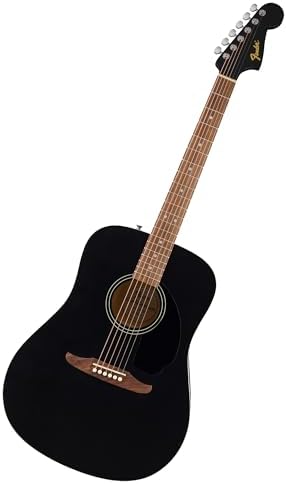
When we categorize acoustic guitars based on their purpose, we identify several distinct types:
Classical Guitars
Classical guitars hold a rich tradition and are designed specifically for classical music. Originating from standardized designs that date back to the 19th century, these guitars typically feature larger bodies and are strung with nylon strings. The sound produced is soft and mellow, making them ideal for solo performances. Historically, before nylon strings became common, these instruments were often strung with catgut strings, which were made from the intestines of sheep or goats.
Steel-String or Western-Style Guitars
Steel-string guitars, commonly known as Western-style guitars, emerged in the late 19th and early 20th centuries. They have since dominated the acoustic guitar landscape due to their versatility. These guitars can vary significantly in shape and size and are prevalent across numerous music genres, from folk and country to rock and pop. The tonal quality of steel-string guitars can differ based on the materials used and the specific body shape, making them suitable for a wide range of musical expressions.
Non-Classical Nylon-String Guitars
Not all guitars with nylon strings fit into the classical category. This classification encompasses models specifically designed for contemporary music, which often feature innovative body shapes distinct from traditional classical guitars. Within this category, you’ll find specialized guitars aimed at flamenco music, gypsy jazz, and even electro-acoustic variants that cater to modern performers.
Electro-Acoustic Guitars
Electro-acoustic guitars add a layer of functionality by incorporating electronics, typically a piezo pickup paired with an active preamp. This category includes both nylon-string and steel-string models and sometimes features “thinline” designs with reduced body thickness. A unique subcategory exists with “silent” guitars, which have solid-body constructions but are equipped with piezo pickups, enabling them to emulate traditional acoustic tones while minimizing volume.
Archtop Acoustic Guitars
Unlike the more common flat-top guitars, archtop acoustic guitars boast a curved soundboard, resembling the look of violins, especially with their F-shaped soundholes. While these guitars are less prevalent today, specialized manufacturers continue to craft them, often using unconventional materials. Unique features, such as trapeze tailpieces, contribute to their distinct sound and aesthetic.
Resonator Guitars
Resonator guitars were specifically designed to address the issue of volume in acoustic music before electronic amplification existed. This category is characterized by its metal or wooden bodies, featuring resonating cones that amplify sound. Resonator guitars can come in various forms, including regular round-neck versions for standard playing and squared-neck models that are used like lap steel guitars. Interestingly, wooden-bodied resonator guitars are often referred to as “dobros,” named after a historic brand known for its production in the early 20th century.
Guitar Types According to Body Shape

Body shape plays a pivotal role in the categorization of acoustic guitars, affecting both sound and aesthetics. Here are some prominent shapes you’ll encounter:
- Dreadnought: A classic design known for its larger body and powerful sound, often favored by bluegrass and folk musicians.
- Parlour or Parlor: Smaller than dreadnoughts, these guitars offer a more intimate sound and are excellent choices for fingerstyle playing.
- Jumbo: Characterized by a wider body, jumbos deliver robust sound projection, making them popular for strumming and vocal accompaniment.
- 0, 00, 000 Sizes: These variations denote specific body sizes, with 000 generally offering a balanced sound between depth and clarity.
- Grand Auditorium and Grand Concert: These models combine features of dreadnought and smaller guitars, offering versatility for both strumming and fingerpicking.
While these shapes provide a foundational understanding, variations abound, and many guitar brands have their unique spin on popular designs.
Other Acoustic Guitar Types
In addition to the mainstream classifications discussed thus far, there are other specialized acoustic guitars worth mentioning.
Travel Guitars
Travel guitars are compact and designed for portability, ideal for on-the-go musicians. These instruments can vary significantly in style and often feature shorter scale lengths, making them easier to handle. Some modern designs incorporate detachable necks, which further enhance their travel-friendly nature. A few models forgo traditional resonant chambers altogether, opting for solid bodies akin to “silent guitars.”
Student Guitars
Typically smaller in both body and neck dimensions, student guitars, also known as short-scale guitars, are tailored for younger players or anyone who prefers a more manageable instrument size. These guitars often come at an affordable price point and serve as excellent entry-level options. Variations might include ¾ or ½ models, catering specifically to the needs of beginner musicians.
Acoustic Guitars Made from Alternative Materials
With a growing emphasis on sustainability, manufacturers are exploring guitars made from alternative materials like carbon fiber. This trend aims to produce durable instruments that maintain quality sound while reducing environmental impact. Notably, Ovation guitars utilize a patented material called Lyrachord for their rounded backs, demonstrating the innovative intersection of design and function.
Types of Acoustic Guitars: Final Thoughts
As we’ve explored, the world of acoustic guitars is diverse and multifaceted, with no universally accepted system for categorization. By breaking them down into categories based on their intended use and body shape, we can gain a clearer understanding of each type. Whether you’re a budding musician or an experienced player, knowing the differences can help you choose the right guitar to suit your style and needs.
Ultimately, the best acoustic guitar for you should align with your musical aspirations, personal preferences, and playing techniques. With the right information at hand, you are now better equipped to embark on your guitar journey, whether that means practicing chords, strumming along to your favorite songs, or exploring uncharted musical territories.