Understanding Acoustic Guitars: Sizes, Shapes, and Styles
Are you in the market for an acoustic guitar or perhaps just fascinated by the various types available? If so, you’ve likely noticed the multitude of shapes and sizes that acoustic guitars come in. Distinguishing between them can sometimes feel overwhelming. But fear not — this guide aims to simplify the process for you. Let’s dive into the diverse world of acoustic guitars to help you determine which size and shape best fits your needs.
Acoustic Guitar Sizes and Shapes Explained
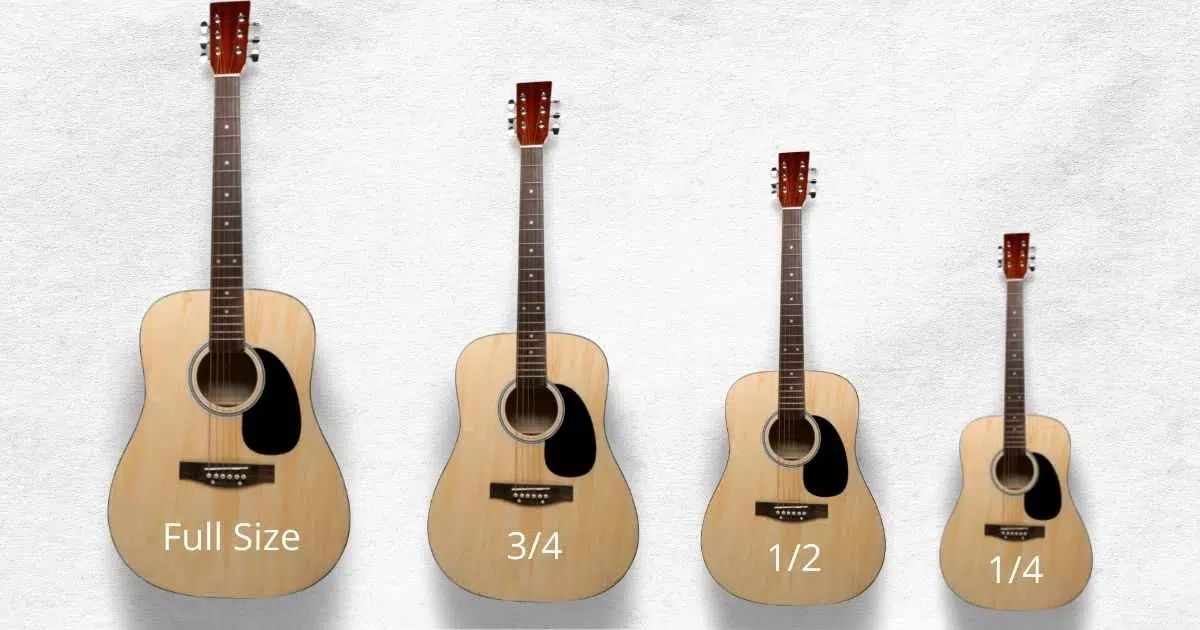
Acoustic guitars, particularly steel-string types, vary significantly in size and shape, thanks to historical influences from leading brands. These variations primarily relate to body dimensions but can also include scale length and other features. Each guitar design has its own name, and each offers a unique feel and sound.
It’s essential to note that there’s more to acoustic guitars than merely categorizing them into nylon-string classical and Western-style steel-string guitars. This guide will focus on steel-string models. It’s also worth mentioning that the way these guitars are categorized can sometimes differ from one source to another, but we’ll stick to the most widely accepted classifications.
This post contains affiliate links. If you make a purchase through my links, I may receive a small commission at no additional cost to you. I only recommend products I truly believe in.
Common Acoustic Guitar Body Sizes and Shapes
Now that we’ve set the stage, let’s explore the common sizes and shapes of acoustic guitars. Although categorizations can vary, here’s a summary of the most popular types you’ll encounter.
Parlour Acoustic Guitars
Parlour guitars, typically smaller than most other types, boast a somewhat elongated body. Although modern travel-sized guitars exist, parlour guitars were historically used for smaller performances. Their dimensions generally include a width of approximately 8.9 inches in the lower bout and a length of around 14 inches, with a body depth of about 4 inches. Due to their compact size, parlour guitars produce a quieter, thinner sound, fitting the name “parlour” quite aptly.
0-Style Acoustic Guitars
The 0-style guitar, introduced by Martin in the 1850s, marks a fascinating evolution in acoustic guitar sizes. This style is slightly larger than parlour guitars, with a width of approximately 13.5 inches, a depth exceeding 4 inches, and a body length just over 19 inches. The tonal output is richer and louder than that of a parlour guitar, making it a favorite among many players.
00 or Grand Concert Acoustic Guitars
Emerging in the 1870s, the 00, or Grand Concert, shape is more aligned with contemporary acoustic styles. With a body length of about 19.6 inches and a width of just over 14 inches in the lower bout, this design offers slightly increased depth compared to the 0-style guitars, enhancing its sound quality.
000 (OOO) Acoustic Guitars
The 000 or OOO shape, developed by Martin in the early 1900s, builds on the characteristics of the 0 and 00 guitars but is larger in scale. Measuring around 19.3 inches in length and 15 inches wide across the lower bout, it provides a depth of 4.1 inches. This model delivers a louder, richer tone, making it a hit for performance settings.
OM (Orchestra Model) Acoustic Guitars
The OM guitar style closely resembles the 000 model but differs primarily in its scale length, which is 25.4 inches. While body dimensions are nearly identical, this variation allows for greater versatility. The OM and its counterparts are often seen as the “ultimate” acoustic guitar shapes, catering to players of all styles, especially those involved in ensemble performances.
Dreadnought Acoustic Guitars

The Dreadnought design has gained immense popularity and was first introduced by Martin in the early 20th century. Characterized by its sloped shoulders and unique contour, the Dreadnought measures just under 21 inches in length and about 15.6 inches wide in the lower bout. This design is notable for its robust bass and clear treble, resulting in a slightly “scooped” tonal quality, appealing to a wide array of musicians.
Grand Auditorium Acoustic Guitars
The Grand Auditorium shape, birthed by Taylor in the mid-1990s, modifies the Dreadnought’s design, offering a balance of volume and tonal quality. Its more pronounced waist and slightly smaller body size contribute to its unique “honkier” sound profile, characterized by enhanced mids and a flatter tonal response, making it incredibly versatile.
Jumbo Acoustic Guitars
As the name suggests, Jumbo guitars feature a noticeably larger body, which Martin popularized in the early 20th century. With a lower bout width of approximately 22.25 inches and a depth near 5 inches, this model excels in settings where maximum volume is required, making it a favorite among players who perform with acoustic bands.
Exploring Acoustic Guitar Body Shapes: Final Thoughts
The classification of acoustic guitar sizes and shapes is not entirely uniform, with various interpretations existing within the music community. Nonetheless, the categories outlined here represent the most recognized types.
Understanding the characteristics and nuances of each style can significantly enhance your guitar-buying experience. Whether you prioritize sound quality, playability, or aesthetic appeal, knowing these distinctions will help you find the perfect guitar that aligns with your musical aspirations.
Finding Your Perfect Acoustic Guitar
When selecting an acoustic guitar, consider how you plan to use it. Are you a beginner looking to strum at home, or a seasoned player ready to perform? Each guitar type excels in different environments.
- For intimate settings: Look for parlour or 0-style guitars, as their smaller size allows for easier playability and a more personal sound.
- Need versatility? The OM and Grand Auditorium designs allow for a mixture of rhythm and lead playing, fitting seamlessly into ensemble settings.
- Seeking volume and projection? Then Dreadnought and Jumbo guitars are your go-to options. These guitars provide powerful bass and rich tonal depth that cuts through any mix.
Acoustic Guitar Maintenance Tips
Once you’ve selected your ideal guitar, it’s crucial to understand how to maintain it for optimal performance. Here are a few simple tips:
- Strings Matter: Regularly change your strings based on how often you play. Fresh strings enhance tonal quality and playability.
- Humidity Control: Wood is susceptible to changes in humidity, so keep your guitar in an environment with consistent humidity levels. Consider using a hygrometer and a case humidifier.
- Regular Cleaning: Wipe down your guitar after each use to remove oils and dirt. Use a soft cloth designed for guitar maintenance.
- Professional Setup: If you’re unsure, consider a professional setup from a luthier. This can help with intonation, action, and overall playability.
Your Journey Awaits
Embarking on your acoustic guitar journey can be incredibly rewarding. With the wealth of styles and shapes available, you’re bound to find a guitar that resonates with your unique style and sound. Take your time, do your research, and trust your instincts — soon, you’ll be strumming your favorite tunes with confidence and joy.
In conclusion, understanding acoustic guitars’ varying sizes and shapes can greatly influence your playing experience. Whether you’re a beginner or a professional, selecting the right guitar is essential. Keep these insights in mind, and may you find the perfect instrument to accompany you on your musical journey!