Understanding Acoustic Guitar Pricing: A Comprehensive Guide
Walking into a used car dealership can be daunting, especially if you haven’t done your homework. The same goes for purchasing an acoustic guitar. Whether you’re eyeing your first six-string or upgrading to a higher quality model, knowing the market will save you both time and money. So, how much does an acoustic guitar cost? The answer varies significantly based on quality, brand, and features. Let’s break down the price ranges and help you determine what might suit your needs best.
How Much Is An Acoustic Guitar?
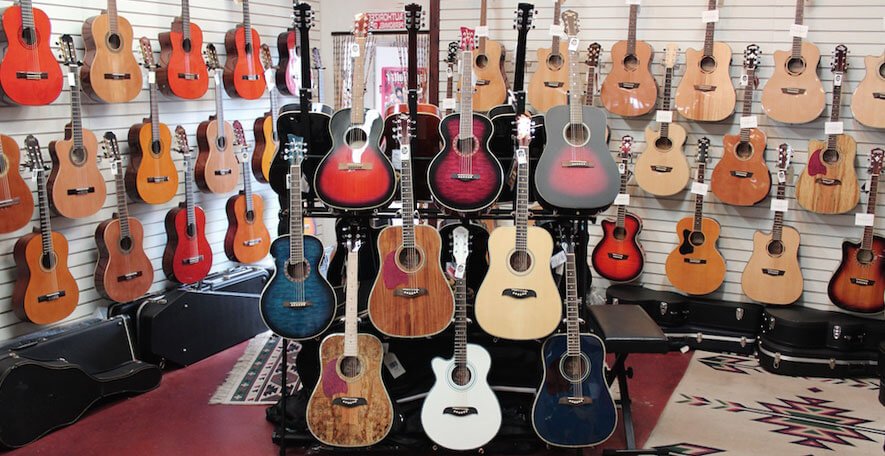
Prices for acoustic guitars range from around $20 to thousands of dollars. In general, inexpensive guitars are often crafted by lesser-known brands that may focus on various unrelated products. In contrast, premium models are produced by established companies like Gibson, Martin, Yamaha, or Taylor. Generally, the price correlates with quality and craftsmanship.
Bargain guitars are often made with low-quality materials and basic assembly methods. On the other hand, high-end guitars tend to use exotic woods and exceptional craftsmanship, whether produced in top-tier factories or handcrafted by skilled luthiers. New guitarists may find the range of choices overwhelming, especially with numerous online resources available. It can get confusing, even with all this information at your fingertips.
Before diving into specific pricing tiers, it’s crucial to understand what we consider an “average” acoustic guitar, as this will serve as a comparison for other categories.
What is the Average Price of an Acoustic Guitar?
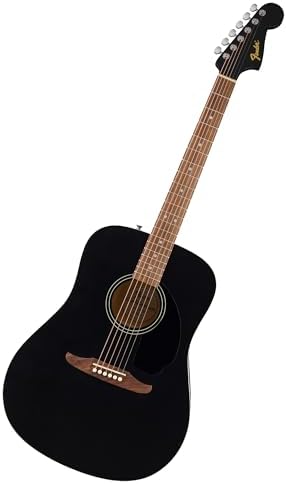
The “average” acoustic guitar sits comfortably in the $150 to $300 range. These guitars are functional but generally do not stand out in terms of sound or appearance. If you played ten different average acoustics, you might struggle to differentiate them by ear or sight. However, the key feature that sets them apart from cheaper models is their reliability; they usually stay in tune and don’t develop significant issues like dead frets or high action.
This price range is a solid pick for beginners. They come in various shapes and sizes, but their commonality lies in avoiding the frustrating pitfalls of cheaper acoustic guitars. A subpar guitar can discourage beginners due to issues like poor tuning stability and fret buzz. Unless budget constraints are a major concern, it’s worth it to invest a little more for better playability.
This post contains affiliate links. If you make a purchase through my links, I may receive a small commission at no additional cost to you. I only recommend products I truly believe in.
Budget-Friendly Acoustic Guitars ($50 to $100)
If you’re entering the world of music, budget acoustic guitars are often mass-produced tools designed for novices. While you likely won’t find yourself composing masterpieces on one of these instruments, they can help you learn the basics, like chords, scales, and simple songs affordably.
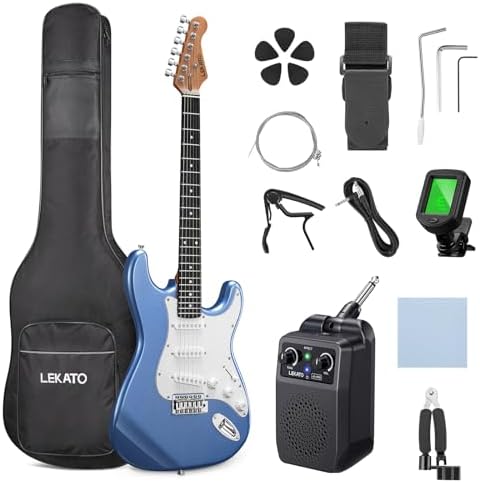
When you start shopping for low-cost guitars, you’ll probably notice that these instruments often come bundled with accessories like gig bags, capos, extra strings, picks, and cleaning cloths. Brands frequently include these items to add perceived value, compensating for the instrument’s limited quality.
Do you actually need all of these accessories? While some are helpful, they aren’t essential. For instance, a guitar pick isn’t mandatory, especially if you plan to use fingerstyle techniques, but it’s advisable to have one for a fuller sound.
Key Takeaway: Low-cost guitars can be a fine choice for absolute beginners but come with their limitations. They might be a stepping stone rather than a long-term investment.
Mid-Priced Acoustic Guitars ($100 to $300)
Let’s say you have a budget of at least $100; in this range, you can discover decent acoustic guitars that significantly outperform their budget counterparts. A great example is Jasmine’s S35, which is suitable for both new learners and slightly seasoned players. Crafted from Eastern Mahogany and Spruce, it’s built to last and produces a warm, appealing tone.
Although these mid-tier models may not be classified as boutique options, they provide excellent value considering their performance, often rivaling high-end guitars in sound quality. Guitars in this category typically exhibit better craftsmanship, featuring durable materials and attractive finishes. Brands like Epiphone, Yamaha, and Gretsch offer models like the Starling, F335, or FG800 that are designed specifically for newcomers but still perform admirably.
Key Takeaway: If you invest between $100 and $300, you’re more likely to acquire a guitar that remains in tune, plays smoothly, and offers a good tone, making it a worthy choice for budding musicians.
High-End Acoustic Guitars ($300 to $700)
If you’re prepared to spend as much on a guitar as you would on a weekend getaway, you can expect to receive a quality instrument that meets the needs of gigging musicians and recording artists alike. High-end acoustic guitars deliver exceptional sound, aesthetics, and playability.
What distinguishes these models from lower-priced options is their superior construction. They often feature well-crafted necks and fretboards, enabling easier playability even for novices. You’ll likely notice this right away from the first time you hold one. Playing becomes effortless, and skills seem to blossom.
High-end guitars usually incorporate better strings and advanced neck setups, ensuring ergonomic design. For example, my first high-quality guitar was Takamine’s GD51CE, noted for its all-Rosewood body, mahogany neck, and spruce top. With features like a cutaway for higher fret access and a smooth fretboard, it made transitioning from electric to acoustic feel seamless.
Key Takeaway: When investing in the $300 to $700 range, expect superior playability and sound quality. You won’t just be buying a guitar; you’ll be investing in a long-term companion for your musical journey.
Boutique and Vintage Acoustic Guitars ($1,000+)
If you’re ready to dive deep into the world of premium instruments, boutique acoustic guitars are where artistry meets craftsmanship. These custom-made guitars offer uniquely tailored experiences, often used by professional musicians in studio recordings. Featuring the finest tonewoods such as Spanish cedar and Zebrawood, boutique guitars provide unrivaled sound and appearance.
High-profile brands like Taylor and Godin may stick to traditional tonewoods, but employ cutting-edge technology in their assembly. Many of these guitars are designed based on custom specifications that match the sonic preferences of endorsed artists.
The differences between these high-end instruments and more affordable guitars focus primarily on the sound. Boutique guitars offer unmatched sustain, tonal clarity, and a wide array of sonic textures. These well-rounded instruments are often favorites among professionals who strive to produce the music we love.
Key Takeaway: Consider spending $1,000 or more for boutique guitars if you’re serious about music and desire an instrument that can grow with your artistry. You’ll be investing in a piece of craftsmanship that stands the test of time.
Final Thoughts on Acoustic Guitar Pricing
With a clearer understanding of the pricing spectrum, you’re now better equipped to enter a guitar shop confidently. Knowing which price tier aligns with your needs and skill level is essential.
As we discussed, the cheapest guitars may not be worth your time unless you’re in a tight financial spot. To secure a quality instrument that enhances your learning experience, anticipate spending at least $100—ideally, between $150 to $200.
Invest in a guitar that feels comfortable, sounds good, and suits your aspirations, and you’ll be setting the stage for an enjoyable and fulfilling musical journey. Happy playing!