A Complete Guide to Cleaning Your Acoustic Guitar
Cleaning your acoustic guitar may seem daunting, but it doesn’t have to be. With the right approach and a bit of patience, you can keep your guitar looking and sounding great. Regular maintenance not only enhances its appearance but also prolongs its life. In this guide, we’ll walk you through the steps needed to give your acoustic guitar a thorough clean.
How Often Should You Clean Your Guitar?
If you’re an avid player, a deep clean every six months is a good rule of thumb. A clean guitar not only looks good but also plays better by ensuring that dirt and grime do not affect its performance. While you can do quicker clean-ups between deep cleans, a thorough job will require you to remove the strings. This is also a perfect time to restring your guitar. Why not combine the two tasks?
What You’ll Need for the Job
Before diving into the cleaning process, gather your supplies. Having everything at hand will make the task much smoother. Here’s a list of the essentials:
- A soft cloth for wiping
- Guitar polish (choose a brand that you trust)
- Lemon oil (specifically designed for fretboards, not actual lemon juice)
- A small brush, such as an old toothbrush
- A fine point object like a needle or a small, soft brush for hard-to-reach spots

Now that you’re equipped, let’s get started!
Step 1: Remove the Strings
To achieve a deep clean, you’ll need to remove the strings. While you can perform minor cleaning with them still on, you won’t be able to get into those tricky areas effectively. Restringing your guitar and cleaning it at the same time is a win-win!
Step 2: Dust and Debris Removal
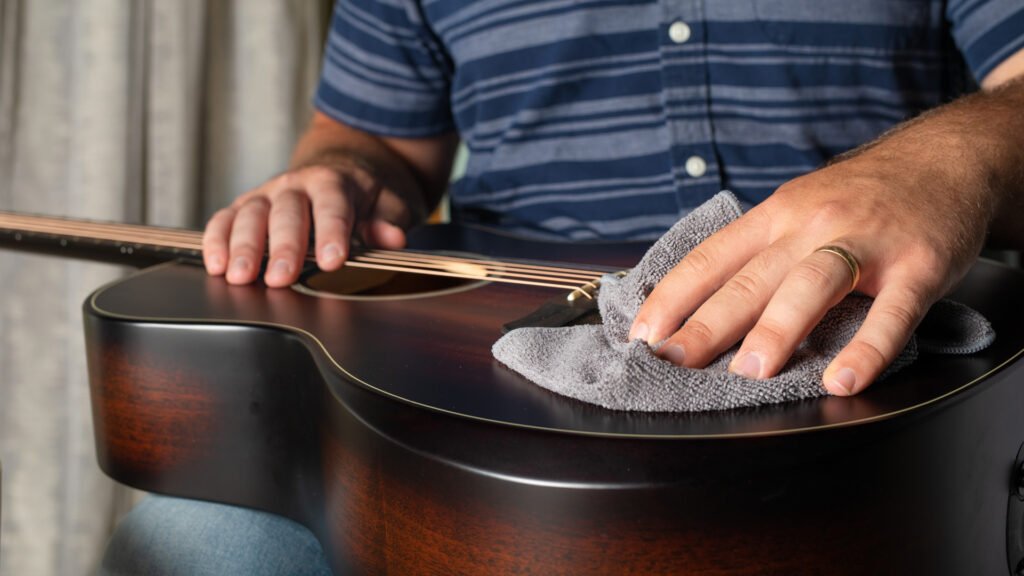
With the strings off, it’s time to remove dust and other residue. Use your soft cloth to wipe down the entire guitar. Don’t forget to be gentle, especially around areas like the soundhole and where the strings were. These spots can collect dust quickly.
After that, grab your small brush to clean the frets and other tight crevices. Pay special attention to where the fret wires meet the fingerboard; this area can accumulate grime from your fingers over time. It’s important to be cautious here; you don’t want to scratch the wood.
Target Key Areas for Dust
When you’re wiping down the body and neck, focus on:
- The soundhole area
- Fret wires
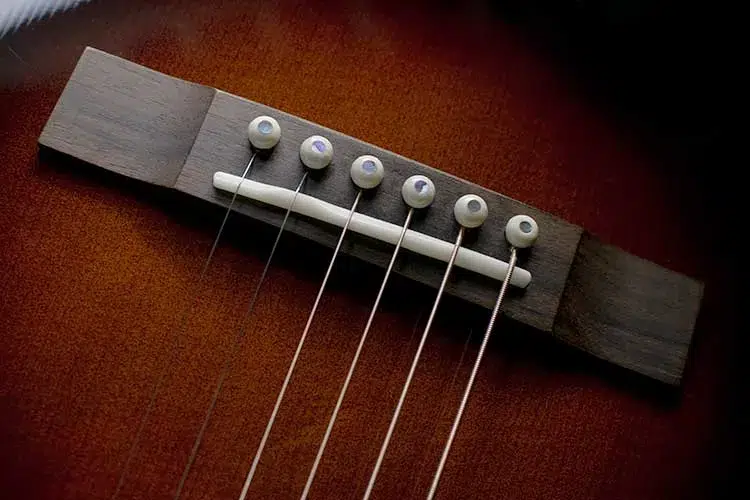
- Bridge pins
- Tuning machines on the headstock
If you notice any particularly stubborn spots, you might need to switch tools. Anything small enough to reach intricate areas, like a fine point object, will come in handy.
This post contains affiliate links. If you make a purchase through my links, I may receive a small commission at no additional cost to you. I only recommend products I truly believe in.
Step 3: Thorough Cleaning Process
Now we get into the heart of the cleaning. For the main body and neck, apply a small amount of guitar polish onto your soft cloth. Gently rub it onto the surfaces, taking care to follow the wood grain to avoid scratches. Use your brush again to remove any grime caught in the crevices.
Focus on the Fretboard

Next, it’s time to clean your fretboard. Use the lemon oil on a clean cloth and apply it in a circular motion, ensuring you cover all areas. This will make the wood of the fretboard look revitalized. The same caution applies here as with the previous step: take care not to damage the wood.
Using a Fine Point Object
If you notice any gunk around the frets, this is where your needle or pointy tool becomes useful. Again, exercise caution to prevent any scratches. You might consider placing a cloth over the area you’re working on for extra protection.
Inspect for Damage
While you clean, keep an eye out for any potential structural issues. Check the frets to ensure they’re in good condition and that the glue holding different parts of the guitar is still intact. If anything appears off, consulting a luthier can save valuable time and money in the long run. For budget-friendly guitars, you may also consider replacing it if repairs are too costly.
Tips for Cleaning Tough Grime
Should you encounter especially dirty patches, a mild soap solution mixed with water can be effective. Just remember to avoid soaking your guitar. A gentle spray and quick wipe-down should suffice.
Step 4: Final Touches
Once you’ve completed cleaning, it’s time to wrap things up! Apply a little more polish for a final buff. Circular motions are key here to ensure any smudges or excess materials are removed.
Checking for Damage
While buffing, inspect your guitar’s finish for any imperfections, and take a moment to check the fingerboard for cracks. A well-maintained instrument is not just about cleanliness; it’s about functionality.
Step 5: Restring Your Guitar
After completing the cleaning process, it’s time to put on some fresh strings. While you could put the old ones back, this is the perfect opportunity to upgrade your strings for improved sound quality.
Can You Clean Your Acoustic Guitar Without Removing Strings?
Yes, you can do some light cleaning without taking the strings off. Loosening them can give you access to some areas. That said, for the deep clean we just covered, string removal is the way to go. Regular maintenance is key to keeping your guitar in top shape, especially if it’s a valued instrument.
The Importance of Ongoing Care
Regular cleaning and maintenance go a long way in preserving the longevity of your guitar. Keeping it clean not only contributes to aesthetics but also plays a vital role in performance.
In Conclusion
Cleaning your acoustic guitar is a straightforward process that can enhance both its appearance and sound. With patience and the right approach, you can keep your instrument in excellent condition. Once you go through the cleaning process the first time, future clean-ups will be quicker. A well-cared-for guitar can bring you joy for many years, so treat it right! Now you know how to clean your acoustic guitar, so why not get started?