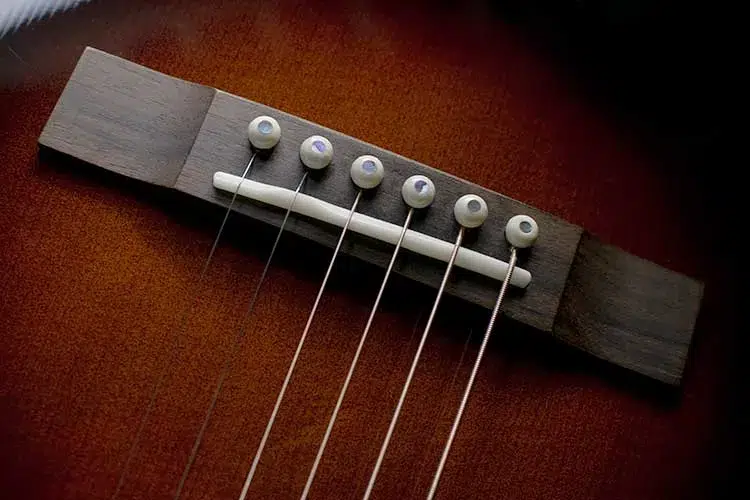
Understanding the Importance of Bridge Pins in Acoustic Guitars
When it comes to playing an acoustic guitar, many enthusiasts find themselves enamored with the instrument’s body, strings, and overall sound. Yet, there’s one unassuming component that may often go unnoticed: the bridge pins. If you’ve ever strummed an acoustic guitar or replaced its strings, you might have encountered these small, crucial pieces. While electric and classical guitars typically do not utilize them, the acoustic guitar relies heavily on bridge pins for both functionality and sound.
In this article, we will delve deep into what bridge pins are, their role in acoustic guitars, the different materials they are made from, and how they can influence the tonal quality of your instrument.
This post contains affiliate links. If you make a purchase through my links, I may receive a small commission at no additional cost to you. I only recommend products I truly believe in.
Do Bridge Pins Really Matter?
The Essential Function of Bridge Pins
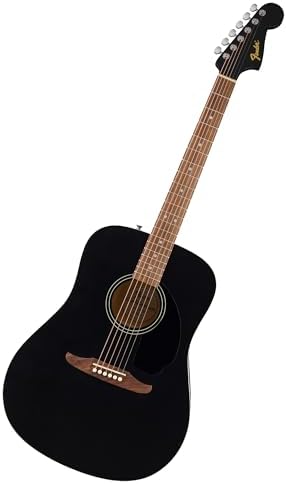
Yes, bridge pins do matter, significantly contributing to the acoustic guitar’s sound and functionality. These pins hold the strings in place at the bridge end of the guitar, ensuring that they remain secure as you play. Although they might seem minor compared to the larger components of your guitar, their material and design can impact sound quality.
Primarily made from various materials, bridge pins serve as a conduit for vibrations generated by the strings. While they are not the primary source of sound modulation, they can subtly affect tonal characteristics, volume, and sustain.
Understanding the Background
Bridge pins are most commonly found in steel-string acoustic guitars, where they anchor the strings at their ball-ends within the bridge of the guitar. Without these pins, playing an acoustic instrument would be virtually impossible, making them an integral part of the instrument.
Before we can fully grasp how bridge pins affect sound, it is essential to understand what they are composed of and their unique characteristics. Bridge pins can be categorized based on their materials, with common options including bone, ebony, rosewood, brass, and plastic. More unusual choices might include ivory, buffalo horn, walrus jawbone, and synthetic alternatives like zirconium alloy.
Every bridge pin generally features a “flute” or channel designed to cradle the string. Proper placement of the pin and string is critical for optimal functionality; if not seated correctly, the pin can pop out during play, disrupting your performance.
The Risks of Worn-Out Bridge Pins
Bridge pins are not immune to wear and tear. Over time, these small components can degrade, leading to potential issues. A broken or worn-out pin may cause the string to sit too deep in the bridge plate, risking additional damage to the instrument, including the bracing and body.
In rare cases, a bridge pin may become stuck within its hole. If that happens, loosening the string and pushing the pin slightly inward can help dislodge it. If that method fails, you may need to access the pin from inside the guitar body to gently push it out. For a thorough guide on how to remove bridge pins effectively, check out our dedicated article on the topic.
How Bridge Pins Influence Sound

The material of a bridge pin can significantly affect the tonal aspects of your acoustic guitar. Through the vibrations of the strings, bridge pins transfer energy to the bridge, ultimately influencing the sound produced by the entire instrument. In this section, we’ll explore how different materials can alter your guitar’s tonal characteristics.
Bone
Bone pins are quite common among steel-string acoustic guitars. While various types of bone can be used, the difference in sound produced remains subtle. These pins are relatively economical and offer clear, resonant tones, particularly enhancing the higher frequencies and overall sustain. Lead sections in songs can benefit from this clarity, providing a brighter sound for mellower guitars made from woods like mahogany.
Brass
Brass bridge pins offer another unique sonic profile. Heavier than many alternatives, brass pins contribute a pronounced presence in the higher midrange, improving overall sound quality. Their added mass can be beneficial for guitars that lean toward a bass-heavy sound. Moreover, brass pins are known for their longevity but require careful handling to avoid unnecessary damage to your guitar.
Ivory
For those seeking an aesthetic and acoustic upgrade, ivory bridge pins can serve well. Known for their striking appearance, ivory pins also enhance sustain and fullness in the lower midrange and bass frequencies. This warmth can make a marked difference for guitars that fall short in those areas, providing a smoother tonal quality ideal for softer styles of play.
Plastic
While plastic bridge pins are budget-friendly and very commonly used in most acoustic guitars, they have little impact on sound quality. They are the standard choice that comes with many entry-level instruments, but their tendency to wear down quickly can result in the need for replacements often.
Wood (Various Types)
Wooden bridge pins can also enhance sustain and tonal quality, available from most music stores, albeit at a higher price point. Choosing wooden pins often necessitates additional adjustments to the bridge, which may deter some players from making the switch. However, the tonal benefits can be well worth the investment for those passionate about achieving superior sound.
Fossilized Walrus Jawbone
While more of a niche choice, fossilized walrus jawbone pins offer a unique tonal quality. Though rare and expensive, they are sought after for their distinctive sound. However, whether the price justifies the tonal improvement remains a point of debate among guitarists.
Changing Properties Over Time
It’s important to be aware that the properties of various bridge pin materials can change as time goes on. Hard materials, like bone, ivory, and brass, generally maintain their characteristics irrespective of temperature or humidity shifts. For players in environments prone to these fluctuations, opting for harder materials will typically provide a more reliable sound over time.
Conversely, softer materials like wood or plastic can be subject to alterations that may affect the tone and performance of your guitar. Consistency in sound and quality is crucial for any serious musician, making material choice even more paramount.
Frequently Asked Questions
How Can I Prevent My Bridge Pins from Popping Out?
A common concern for many acoustic guitar players, especially beginners, is the issue of bridge pins popping out. Proper technique during string replacement can help you avoid this problem. First, insert the string into the hole and carefully position the pin over it without fully pushing it in. Slowly pull the string up until the ball end reaches the base of the pin, then push the pin down while gently pulling the string in the opposite direction. Remember, the channel or flute of the pin should always be oriented toward the sound hole. With practice, this process will become second nature.
How Can I Safely Remove Stuck Bridge Pins?
If you find yourself grappling with a stuck bridge pin, resist the urge to use tools such as pliers to force it out, as this risk damaging the pin and the guitar itself. Instead, loosen the string and gently push the pin downward into the hole, which can often release it. If that doesn’t work, loosening all strings might give you better access; push from inside the body of the guitar to dislodge the pin. If all else fails, consult a professional to avoid any risk of damaging your beloved instrument.
Final Thoughts on Bridge Pins
Bridge pins are an essential part of an acoustic guitar that contributes not only to its structure but also to its sound. Choosing the right material for your bridge pins can significantly impact the tonal quality of your instrument. If you are dissatisfied with the sound your guitar produces and the bridge pins that came with it, don’t hesitate to explore alternative options. Many beginner instruments come equipped with lower-quality pins that can be upgraded for a richer, more vibrant sound. The right set of bridge pins may just be the key to unlocking your guitar’s true potential.