The Acoustic vs Classical Guitar Comparison: Making the Right Choice for You
The decision between acoustic and classical guitars is a common dilemma for both new and seasoned players. Each type has its unique features, benefits, and potential drawbacks. Rather than determining a clear winner, it’s about aligning the advantages of each guitar with your personal preferences and musical goals. This guide is here to help you navigate through the differences and similarities, ultimately leading you to the guitar that best suits your needs.
Classical Vs Acoustic Guitar
At first glance, classical and acoustic guitars might appear quite similar. However, upon closer inspection, their unique characteristics become evident. Understanding these distinctions—ranging from construction to intended use—will aid you in making an informed decision on which type to choose.
What Is An Acoustic Guitar?
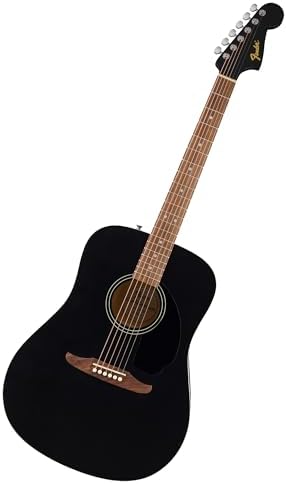
An acoustic guitar is a stringed instrument known for its hollow body, which amplifies sound when the strings vibrate. These vibrations create music that can be enjoyed without any electronic assistance, although there are acoustic models that can accommodate pickups for amplified sound. Guitarists typically produce audio through either finger strumming or using a pick, allowing for a variety of playing styles across different music genres.
What Is A Classical Guitar?
At first blush, a classical guitar might seem like an acoustic guitar; both share a similar structure and setting. However, the classical guitar is easily distinguished by various features, such as the decorative rosette around its sound hole. The strings are of particular importance—classical guitars typically use nylon strings, which create a softer, warmer tone. Additionally, these guitars often feature a wider fretboard and a shorter neck, enhancing playability for certain styles.
This post contains affiliate links. If you make a purchase through my links, I may receive a small commission at no additional cost to you. I only recommend products I truly believe in.
Classical Guitar Vs Acoustic: Key Differences
Let’s delve deeper into how acoustic and classical guitars differ.
Body Size, Shape, And Weight
Acoustic Guitars
Generally speaking, acoustic guitars tend to have a larger body compared to classical counterparts. While smaller-sized acoustic guitars do exist—like “folk” or “parlor” guitars—many feature a more pronounced curvature and thicker back, creating a fuller sound. This larger body often results in greater weight.
Classical Guitars
Most classical guitars are full-bodied but lack the cutaways found in some acoustic guitars that facilitate easier access to upper frets. Instead, modern luthiers have innovated to create elevated fingerboards, making it easier for players to reach high notes without sacrificing sound quality.
Bridge Pins And String Changing

Acoustic Guitars
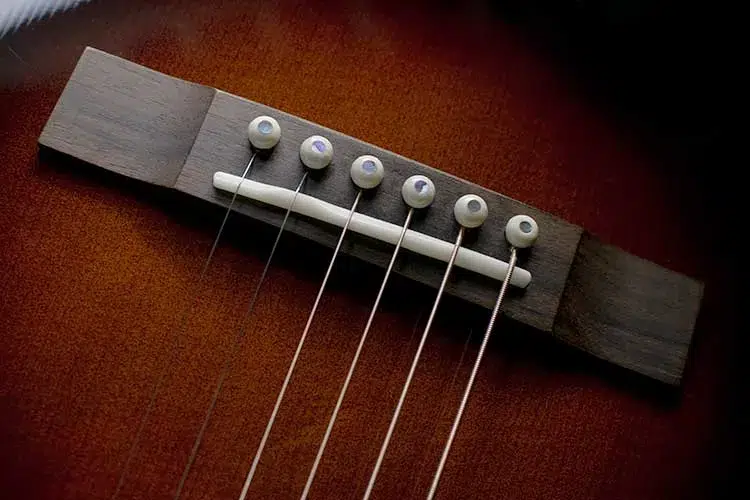
Typically, acoustic strings are secured using bridge pins, a system that can affect sound quality but may sometimes prove challenging when changing strings.
Classical Guitars
In contrast, classical guitars feature strings that are tied directly at the bridge. This method requires a different technique for changing strings, with less fuss involved.
Fingerboard Shape
Acoustic Guitars
The fingerboards on acoustic guitars are usually radiused, offering a slight curve that can enhance playability.
Classical Guitars
On the other hand, classical guitars tend to have flatter fingerboards, which can be more comfortable for certain playing styles.
Fret Markers
Acoustic Guitars
Many acoustic guitars come with fret markers—visual aids that help guide players in navigating the fretboard.
Classical Guitars
In general, classical guitars have fewer fret markers, particularly on the fingerboard, although some may feature indicators on the upper side of the neck.
Headstock And Tuning Mechanisms
Acoustic Guitars
Acoustic guitars typically have individual tuning machines that protrude from the headstock, making adjustments straightforward.
Classical Guitars
Conversely, classical guitars often feature a slotted headstock with in-line tuning machines, leading to another distinct method for changing strings.
Neck Size
Acoustic Guitars
Acoustic guitars typically showcase a narrower neck profile. This can make finger placement easier, particularly for those with smaller hands.
Classical Guitars
On the flip side, classical guitars have wider necks, which may facilitate better finger positioning and accuracy for complex pieces but might prove challenging for beginners with small hands.
Right-Hand Techniques
How you play with your right hand can also differ greatly between these two guitar types.
Acoustic Guitars
Players of acoustic guitars often utilize a pick or fingerpicking techniques to strum, depending on the desired sound and genre.
Classical Guitars
In contrast, classical guitarists generally avoid picks, opting instead to use their fingernails to produce sound, which can result in a different tonal quality.
String Material
Acoustic Guitars
Steel strings are commonly found on acoustic models, contributing to their brighter, more resonant sound.
Classical Guitars
Alternative to steel, classical guitars utilize nylon strings. While both types of strings have their merits, the difference in material greatly influences tonal output. Switching the string types between guitar categories can yield unexpected results, so it’s crucial to stick with the appropriate type.
Sound Volume
Due to the varied string materials and tensions, acoustic guitars are usually louder than their classical counterparts. However, advancements in guitar-making techniques have enhanced the volume capacity of modern classical guitars, yet they typically still remain quieter.
Similarities Between Acoustic and Classical Guitars
Despite their differences, acoustic and classical guitars share commonalities that make them both appealing:
- Both are six-string instruments.
- Both are tuned to standard E A D G B E.
- Each features a fretboard with a designated number of frets.
- Both have a sound hole that amplifies sound.
- They share a fundamental anatomical structure, including tuning pegs, though their designs may vary.
- Generally, both types sport a round body style.
Advantages Of Acoustic Guitars
Acoustic guitars offer a broad range of benefits:
- Their narrower necks make them easier to play, especially for individuals with smaller hands.
- Steel-string acoustic guitars provide a bright sound with greater sustain.
- They help beginners develop fingertip calluses more quickly.
- A wide variety of acoustic guitars are readily available, making it easier to find one that suits personal preferences.
Advantages Of Classical Guitars
While classical guitars may be less popular, they still bring several unique benefits:
- They are often gentler on the fingers, especially for new players.
- Their softer sound can be more pleasant in various musical settings.
- Classical guitars typically have smaller bodies, which can be appealing for many players.
- Beginners often find nylon strings more comfortable to play with.
- They are usually more affordable, making them budget-friendly options.
However, do consider that the thicker neck on classical guitars might pose some challenges for people with small hands.
Who Should Choose An Acoustic Guitar?
Acoustic guitars can be an ideal choice for:
- Those with smaller hands, as the narrower neck makes it easier to form chords.
- Individuals planning to eventually transition to electric guitars, since the string feel more closely resembles that of electic instruments.
- Players interested in various musical styles, as they accommodate a wide range of genres.
- Those seeking a modern sound and playing experience.
Who Should Choose A Classical Guitar?
If your musical aspirations lean toward playing classical or traditional styles, a classical guitar might be your best fit. Yet, these guitars are not restricted to classical repertoire. You can also explore genres such as jazz, pop, and even rock music with a classical guitar. Moreover, if you’re interested in playing traditional or folk songs without modern sound enhancements, this guitar can offer a clean, pure tone.
Additionally, classical guitars can provide budget-friendly options for aspiring musicians, often costing slightly less than comparable acoustic models.
Choosing Between Classical Guitar And Acoustic: What’s Right For You?
Having explored both acoustic and classical guitars, it becomes clear there’s no universally superior option. What matters most is deciding which features align best with your personal preferences and musical aspirations.
Consider which guitar would bring you more joy and inspiration. Your choice should encourage you to practice and explore the world of music. The ultimate goal is to find an instrument that speaks to you, making your guitar-playing journey more enjoyable and fulfilling.