Discovering the Baritone Guitar: Pros and Cons
Are you a music enthusiast with a penchant for metal, surf rock, or country tunes? If so, you might already be aware of the unique qualities a baritone guitar offers. Its twangy sound is perfect for country and surf rock, while its deep tones resonate well in metal genres. However, the advantages don’t stop there, and neither do the drawbacks. Understanding both sides is crucial for determining whether a baritone guitar is the right addition to your collection. In this article, we’ll explore the pros and cons of baritone guitars, helping you make an informed decision on this intriguing instrument.
Understanding Baritone Guitars
Before diving into the advantages and disadvantages, it’s essential to know what a baritone guitar essentially is. Unlike standard guitars, baritone guitars come with longer scale lengths and are typically tuned lower. Their design might closely resemble that of regular guitars, but they produce a sound that sits somewhere between a standard guitar and a bass guitar.
So, does it make sense to invest in a baritone guitar? If you’re contemplating a purchase but are unsure how it compares to a standard guitar or a bass, learning about its pros and cons can guide you in your decision-making process.
This post contains affiliate links. If you make a purchase through my links, I may receive a small commission at no additional cost to you. I only recommend products I truly believe in.
The Advantages of Baritone Guitars
Let’s kick things off by looking at what makes baritone guitars desirable. The benefits are primarily linked to their unique tuning and sound, making them appealing for specific genres and techniques.
Unique Tuning
One of the defining characteristics of the baritone guitar is its tuning. While most standard guitars are tuned to E, baritone guitars usually start at B, which is two and a half semitones lower. This alternative tuning opens up new opportunities for creativity, particularly for those who enjoy exploring lower pitch ranges.
If the standard tuning feels restrictive, then a baritone guitar could be your ticket to deeper musical exploration. The longer scale length allows for versatility; you can easily use a capo to adapt the tuning as needed. Need to switch back to Standard E? Just clamp that capo on the fifth fret, and you’ll find yourself playing in more familiar territory quickly.
Beginner-Friendly Frets
When it comes to learning the guitar, fret size plays a significant role. Baritone guitars have wider frets due to their longer scale length, which can be a boon for beginners. Wider frets mean less precision is required in finger placement, alleviating some of the stress that often accompanies the early stages of learning.
Beginners can focus more on rhythmic playing and chord formation without worrying about hitting the exact fret position every time. This can lead to a more enjoyable learning experience, making the baritone guitar a great option for newcomers to the instrument.
Thicker Strings for Enhanced Playability
Another notable benefit of baritone guitars is the use of thicker strings. While this may not be everyone’s preference, many players appreciate hefty strings for their playability and reassuring feel under the fingers. Thicker strings usually hold tension better and can simplify pressing down on notes, which is particularly useful when reaching for higher pitches.
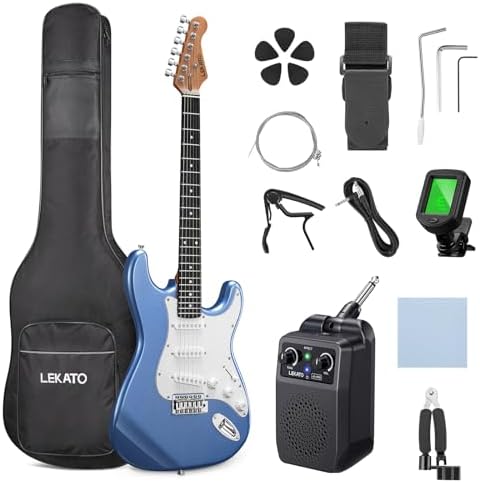
In essence, baritone guitars make it easier for players to navigate fretboards without experiencing significant finger fatigue. If you’re someone who enjoys heavy-gauge strings or is open to them, you’ll likely find this feature advantageous.
Naturally Darker Tone
Even if a baritone guitar is tuned to E, it still offers a tonal depth that sets it apart from standard guitars. The materials used, along with the longer scale length, contribute to a naturally darker, richer sound.
The deeper tones produced make baritone guitars particularly attractive for specific genres, such as rock and metal. Even though other factors, like tonewoods, influence sound, the characteristics of a baritone guitar can provide a fresh take on familiar progressions, elevating your playing experience.
Disadvantages of Baritone Guitars
Like any instrument, baritone guitars come with their own set of disadvantages. A balanced view requires acknowledging the potential downsides before making a commitment.
A Different Learning Curve
While baritone guitars have their advantages, they also present a learning curve that can throw off even seasoned musicians. The different tuning, longer scale length, and wider frets necessitate an adjustment period. Simply put, playing a baritone guitar isn’t equivalent to playing a standard guitar or a bass.
You may find yourself having to relearn finger placement, string tension, and action, which can be frustrating at times. While some players find joy in mastering the new challenges, others might struggle and feel discouraged.
Limitations for Certain Genres and Styles
If your musical interests lean toward fast-paced genres like metal or jazz, you might want to think twice before opting for a baritone guitar. The wider frets suited for rhythm playing can pose challenges when it comes to speed and finger dexterity.
Stylistically, baritone guitars can be somewhat limited in their ability to shred or execute rapid-fire solos. If your heart is set on intricate solos or fast licks, sticking with a standard guitar may be a more suitable choice.
Bulk and Weight
One practical concern many musicians face when considering baritone guitars is their size and weight. Baritones tend to be bulkier and heavier than traditional guitars, which can make transporting them a hassle.
If you frequently gig, the extra weight may require you to invest in a specialized carrying case or gig bag, adding to your overall expenses. This portability issue may deter you from bringing your baritone along for jam sessions or gigs.
Assessing the Pros and Cons: Final Insights
When looking at the pros and cons of baritone guitars, it’s evident that these instruments cater to specific musical needs and preferences. Do the advantages outweigh the drawbacks? If so, a baritone guitar could be a valuable addition to your collection. On the flip side, if the cons are more significant for your personal style, you may decide it’s best to stick with a standard guitar.
For those who find themselves torn between the two, obtaining both a standard guitar and a baritone may provide a holistic musical experience. This dual approach would allow you to enjoy the flexibility that comes with different tunings and tonal qualities. If you only require a baritone guitar for a short-term project, consider borrowing or renting one instead of committing to a purchase.
In conclusion, investing in a baritone guitar is not a one-size-fits-all scenario. The decision is highly personalized, shaped by your music preferences, playing style, and needs as a musician. Take your time weighing the benefits against the drawbacks, and you’ll be much more likely to make a decision that resonates with your musical journey.