Discovering the Baritone Guitar: A Comprehensive Guide
You might have encountered the term “baritone guitar” and wondered what exactly it means. How does it compare to a standard guitar? The name “baritone” implies a lower pitch and that’s certainly true, but there’s more to the story. How is the baritone guitar utilized in music? Is it akin to a bass guitar or closer to a traditional guitar? This article will address these questions and provide detailed insights into the world of baritone guitars.
What Is a Baritone Guitar?
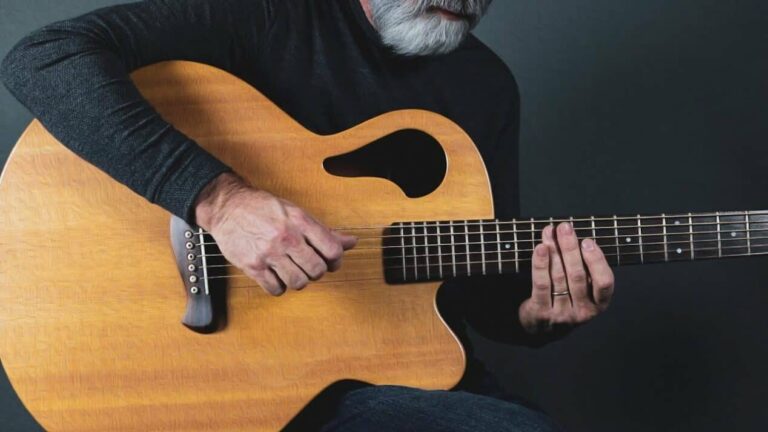
A baritone guitar is specifically designed for deeper tunings, equipped with a longer scale neck—typically 27 inches or more. This setup allows the strings to stretch appropriately, enabling lower tunings without compromising sound quality. Common baritone tunings include B standard (B-E-A-D-F#-B) and A standard (A-D-G-C-E-A), both of which are several steps lower than standard E tuning. Baritone guitars are incredibly versatile instruments used across various musical genres, and understanding their functionality can open up exciting new creative possibilities.
Baritone Guitar vs. Standard Guitar
While standard guitars are tuned to E, baritone guitars are tuned to B, which leads to a variety of differences beyond just pitch. Although they share similar body shapes, the longer scale length of baritone guitars is a defining feature. Scale length refers to the distance from the nut to the bridge, measured in inches. Baritone guitars typically feature a scale length between 27 and 30 inches, while standard guitars vary from 24 inches to 25.5 inches.
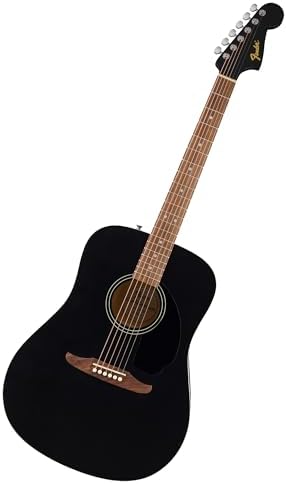
This extended scale length allows the six strings on a baritone guitar to be tuned down to B or A standard—four to five steps lower than E tuning. As a result, the strings remain taut, avoiding the muddy sound associated with low tunings on standard guitars. In fact, tuning a standard guitar down to B can lead to a loose feel and poor intonation. Generally, the lowest you’d want to go on a regular guitar is drop C.
Interestingly, seven-string guitars typically have a scale length of approximately 26.5 inches, with their added string tuned to B. This gives them a similar tuning range to baritone guitars while offering an extra high E string. The sound produced by baritone guitars is distinct and often described as deep and rich, particularly in the lower registers.
For an iconic example, listen to the intro riff of “Dance, Dance, Dance” by The Beach Boys, which showcases the unique sound of a baritone guitar. While the higher notes played on a baritone guitar resemble those of a standard guitar, the overall tone is fatter and more resonant.
Advantages and Disadvantages of Baritone Guitars
When exploring baritone guitars, it’s essential to consider their impact on your overall sound. While not exactly a disadvantage, it’s worth noting that using baritone guitars can lead to a muddy mix if you’re not careful, especially when combined with a standard guitar and bass. If not balanced correctly, the low-end frequencies from the baritone may clash with the bass, leading to an unclear sound.
Conversely, when mixed properly, baritone guitars can enrich your music by bridging the gap between standard guitars and basses. This unique characteristic allows for a broader range of sound textures, enhancing the emotional depth of your compositions.
One of the most significant benefits of baritone guitars is their versatility. From surf rock to country and heavy metal to jazz, they can add a new dimension to nearly any genre. Even if you haven’t personally invested in a baritone guitar, you’ll likely find one in most recording studios, making it a worthwhile instrument to experiment with during sessions.
Baritone guitars have been transforming music since the electric version was introduced in the 1950s.
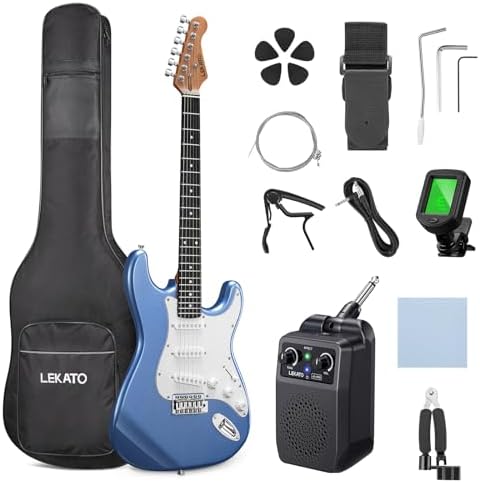
This post contains affiliate links. If you make a purchase through my links, I may receive a small commission at no additional cost to you. I only recommend products I truly believe in.
History of Baritone Guitars: The Legends Behind the Strings
Speculation suggests that the origins of baritone string instruments trace back to the 1700s, potentially inspired by the guitarrón—a large, bass-like guitar prevalent in mariachi bands. The modern baritone guitar, however, emerged in the mid-20th century. In 1956, the guitar manufacturer Danelectro released the first electric baritone guitar. Although it didn’t soar to immediate popularity, it eventually carved out a niche, especially in rockabilly through artists like Duane Eddy.
The Beach Boys’ Brian Wilson also significantly contributed to the baritone’s prominence in California surf music, showcasing its unique sound. In country music, it was crucial in creating the “tic-tac” sound, adding a rich harmonic layer alongside the bassline. Iconic artists like Patsy Cline utilized this effect, particularly in her hit “Walkin’ After Midnight.”
Baritone guitars gained further recognition through their role in spaghetti western soundtracks like “The Good, the Bad, and the Ugly,” characterized by their distinct, reverberating tones. Today, the baritone guitar plays a notable role in various genres, especially funk, metal, and ambient music. Mark Lettieri, known for his work in funk-jazz bands like Snarky Puppy, has utilized the baritone guitar to explore its range by releasing “Deep: The Baritone Sessions,” showcasing its expansive capabilities.
In metal music, baritone guitars provide a powerful low end that suits the genre’s heavy down-tuning tendencies, making them a staple for musicians like Metallica’s James Hetfield and Dream Theater’s John Petrucci.
Which Baritone Guitar Brands to Check Out
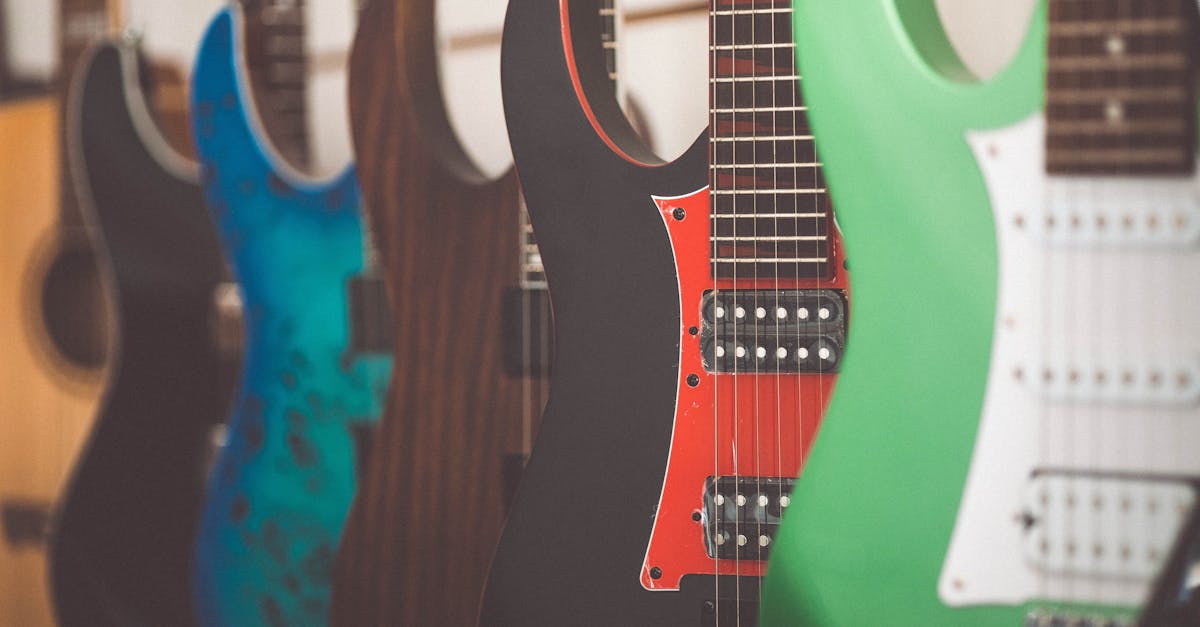
While Danelectro was at the forefront of baritone guitar development, numerous brands have entered the field, each creating unique models that capture different tones. Brands like Gretsch, Fender, Gibson, Ibanez, ESP Guitars, and PRS Guitars all offer baritone options, each distinguishing itself in quality and sound.
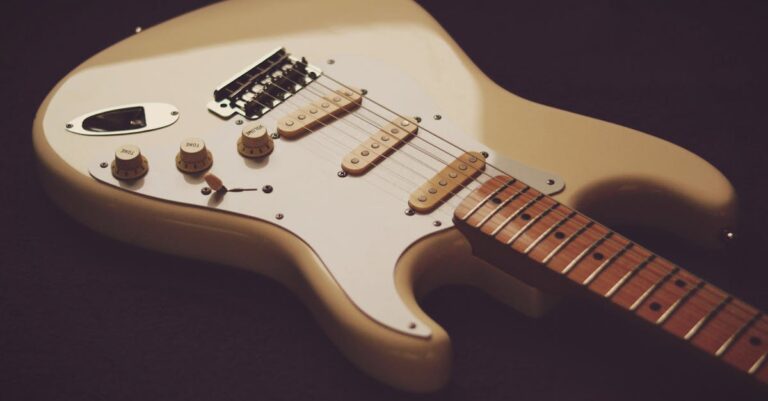
If you’re looking for something reliable, Fender has produced several noteworthy models, including the Sub-Sonic Baritone Stratocaster (2000-2002), the Jaguar Baritone Special HH (2005-2010), and the Blacktop Telecaster Baritone (2012-present).
It’s important to note that while the Fender Bass VI is often mistaken for a baritone guitar due to its similar styling, it is actually a short-scale bass specifically designed to use bass strings.
For those seeking high-quality baritone guitars, the PRS SE 277 stands out but comes with a higher price tag, which reflects its exceptional craftsmanship and premium components.
Final Thoughts on Baritone Guitars
Baritone guitars are engineered for low tuning, operating primarily in B standard as opposed to E like standard guitars. Their longer scale length enables deeper pitches while maintaining string tension and clarity. The resulting twangy sound is ideal for creating crunchy riffs and exploring new musical territory across myriad genres.
Whether you’re a seasoned musician or someone just starting your musical journey, understanding the unique qualities of baritone guitars can open up exciting avenues for creativity. Their rich history and versatility make them an invaluable addition to any musician’s arsenal, allowing you to craft sounds that resonate deeply with your audience. If you haven’t yet tried a baritone guitar, consider doing so; it may just be the key to unlocking your next musical inspiration.