Exploring Electric Guitar Body Shapes: A Comprehensive Guide
When it comes to electric guitars, two body shapes dominate the landscape: the Fender Stratocaster and the Gibson Les Paul. These iconic designs have not only stood the test of time but have also inspired countless variations and modern interpretations across the music industry. Whether you’re a seasoned musician or a newcomer exploring the world of electric guitars, understanding these body shapes—and the many others available—will help you make informed choices while shopping.
A Closer Look at Electric Guitar Body Shapes
Electric guitar body designs primarily draw from the groundbreaking styles introduced by Fender and Gibson years ago. Let’s dive into a detailed exploration of these classic body shapes, along with some unique designs that exist today.
The Stratocaster: A Deep Dive into S-Style
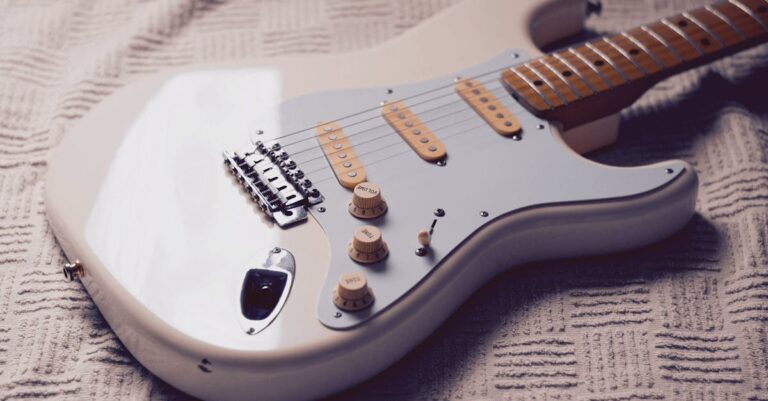
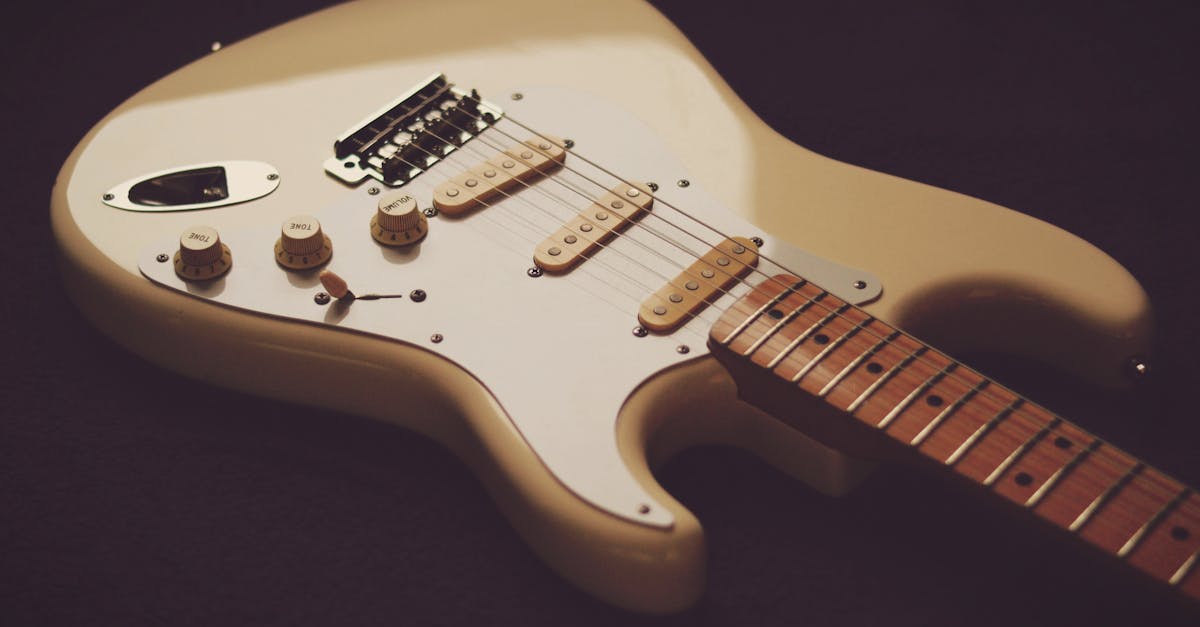
The Fender Stratocaster is a legend, often hailed as the first commercially successful solid-body electric guitar. Launched in the 1950s, its double-cutaway form features uneven cutaway lengths and depths. The smooth contours and sloped area for the picking hand enhance playability, making it a preferred choice for many guitarists.
Though the original 1950s design retains its core characteristics, modern variations have introduced subtle enhancements. The neck joint is typically bolt-on, featuring a square heel for a stable connection. Advanced designs may even adopt a slightly rounded shape for easier access to upper frets, making it a versatile choice across different musical styles.
Super-Strat variations also emerged, inspired by the classic Stratocaster but boasting sharper edges and improved ergonomic features. Brands like Ibanez and Jackson have popularized this distinct design, offering players even more choices.
The Telecaster: The Evolution of T-Style
Considered one of the earliest solid-body electric guitars, the Telecaster, initially introduced as the Fender Esquire, showcases a single-cutaway body with asymmetric characteristics. The lack of a cutaway on the bass side allows for a unique contour that enhances playability.
While the Telecaster is less contoured than its Stratocaster counterpart, modern models introduce softer edges and subtle indentations for comfort. Its straightforward design, coupled with a distinctive sound, has made it a staple in various music genres.
For a more thorough comparison between the Telecaster and Stratocaster, check out our dedicated article.
The Les Paul: Classic LP-Style Design
Gibson’s Les Paul model holds the title for the most popular electric guitar. Known for its simplicity and balance, the single-cutaway design embodies symmetry. Originally a collaboration between jazz guitarist Les Paul and Gibson, this guitar offers a glued “set-in” neck that delivers a unique feel in the higher-fret regions.
Typically, Les Pauls consist of a two-part body: a mahogany base and a carved maple top. This construction not only contributes to its aesthetics but also improves tonal quality through weight-relief techniques that create hollow chambers within the body.
Les Paul Junior and Special: Simplified Variations

The Les Paul Junior and Special models are simplified versions of the traditional Les Paul, sporting a single mahogany body without the maple top. These models are often lighter and more straightforward, featuring less complex electronics.
Les Paul Juniors also come in a double-cut configuration, enhancing symmetry while still retaining the iconic style. Set-in neck and body joints further ensure comfort during play.
The SG: A Blend of Style and Functionality
Initially marketed as a variant of the Les Paul, the SG (Solid Guitar) has earned its spot among Gibson’s most revered models. With a thinner body made of mahogany, the SG features sharper cutaways than the Les Paul Junior, allowing for improved access to high frets.
Introduced in the early 1960s, the SG was Gibsons’ calculated response to the Fender Stratocaster’s popularity. While it offers a lightweight design for easy handling, many users experience the “neck dive” issue, where the heavier neck causes the guitar to tilt forward while playing.
Super-Strat: The Modern Twist
Super-Strats represent a thoughtful evolution of the classic Stratocaster design. They typically feature sharper cutaway angles and refined ergonomics, such as a rounded heel for comfortable access to higher frets.
The trend gained traction in the late 1970s, chiefly attributed to rock guitarist Eddie Van Halen and his custom-made Frankenstrat guitar. Many brands, including Ibanez and Jackson, embraced this innovative design, adding their own creative spin.
Offset Body Shapes: A Unique Approach
Offset body guitars feature an asymmetrical waist, leading to a distinct silhouette. The Fender Jazzmaster, introduced in 1959, was the first to adopt such a design. Originally targeted at jazz musicians performing seated, it later captured the interest of indie rock artists.
Other variants in the offset category include the Fender Jaguar and Mustang models. Several brands have drawn inspiration from this design philosophy, resulting in a myriad of innovative asymmetrical body styles.
More Bodies from Gibson: Diverse Designs
Beyond the well-known Les Paul and SG shapes, Gibson offers more unconventional body styles. The Flying V, Explorer, and Firebird models all depart from traditional shapes, incorporating unique aesthetics and features.
The Flying V boasts a symmetrical design resembling the letter “V,” while the Explorer has a sharper look compared to Fender’s offerings. The Firebird, based on the Explorer design, showcases softer edges for a more rounded appeal.
Semi-Hollow Bodies: Blending Electric and Acoustic Features
Both Gibson and Fender have introduced semi-hollow body designs, with Gibson often leading the charge. Instruments like the ES-335 feature dual cutaways and a maple structure, making it an attractive choice for musicians who appreciate tonal versatility.
Fender’s semi-hollow “Thinline” series is modeled after the Telecaster and also provides a distinctive sound suited for various genres.
Hollow Bodies: Traditional Meets Modern
Gibson’s expertise in hollow-body guitars, exemplified by the ES-175, remains unmatched. With a completely hollow structure and a classic single-cutaway design, hollow-body guitars often parallel traditional acoustic instruments in sound quality.
Other brands, such as Gretsch and Ibanez, have also entered this domain, offering popular hollow-body models like the Gretsch Streamliner and Ibanez Artcore. These instruments are especially celebrated for their rich acoustic sound quality.
Various Other Electric Guitar Body Styles: A World of Options
While the designs from iconic brands like Fender and Gibson dominate the market, countless manufacturers like Rickenbacker, PRS, Jackson, and Ernie Ball have introduced unique body styles. This diversity in electric guitar designs allows musicians to find an instrument that perfectly matches their aesthetic preferences and playing style.
This post contains affiliate links. If you make a purchase through my links, I may receive a small commission at no additional cost to you. I only recommend products I truly believe in.
Conclusion: Finding Your Perfect Guitar Body Shape
The Fender Stratocaster and Gibson Les Paul shapes have clearly defined the electric guitar landscape, remaining the most sought-after models for decades. Their original designs continue to captivate musicians, while newer models expand the boundaries of guitar innovation.
As you explore the world of electric guitars, consider how different body shapes affect playability, sound, and aesthetics. Embrace the unique offerings from both established brands and emerging manufacturers, and take the time to find the electric guitar that resonates with you both sonically and visually.
By understanding these electric guitar body shapes, you’ll be better equipped when choosing your next instrument, whether you’re a fan of classic rock, jazz, indie, or any genre in between. Happy playing!