
Ukulele vs. Guitar: Unpacking the Differences
When it comes to string instruments, the ukulele and guitar stand out as two popular choices, each with its unique characteristics. At first glance, their size and number of strings make these differences apparent. However, beyond the surface, there are subtle distinctions that can significantly impact your musical journey. Understanding these differences is crucial in helping you decide which instrument is the right fit for you. Let’s dive into a detailed comparison between the ukulele and the guitar, so you can make an informed choice that resonates with your musical aspirations.
A Closer Look at the Guitar
The guitar is a fretted string instrument, most commonly featuring six strings. However, you will find various designs, including acoustic and electric guitars. For our comparison, we will mainly focus on acoustic guitars. According to the Hornbostel-Sachs classification, guitars fall under the category of “composite chordophones,” designated as number 321.322.
The mechanics of the guitar involve strings anchored at two opposing points, creating tension that produces specific pitches. One end of the strings rests on the nut, typically made of synthetic material, while the other end is anchored to the saddles on the bridge. As the strings lie under tension, they vibrate to create sound. This sound is amplified through the hollow body of the guitar, with a soundhole situated in the center of most models.
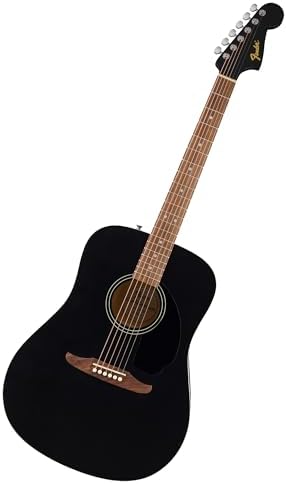
The neck of a guitar features a fingerboard lined with frets. When you press down on the strings along this fingerboard, you effectively shorten the vibrating length of the strings, altering the pitch. Full-size acoustic guitars are generally about 39 inches long and typically utilize steel strings, although nylon-stringed models exist for classical music. The standard tuning for a guitar is E-A-D-G-B-E, though musicians are always free to explore alternative tunings.
Understanding the Ukulele
Like the guitar, the ukulele is also classified as a composite chordophone under the same Hornbostel-Sachs classification, making it a cousin in the lute family. However, its defining characteristics are its smaller size and four-string formation. When discussing ukuleles, the soprano model is the most commonly referenced, typically measuring around 21 inches from end to end.
If you’re considering a larger option, there’s the bass ukulele, which can reach about 32 inches, though it’s less prevalent. The baritone ukulele is another variant, but for the purpose of this guide, we will focus on the soprano model.
Most ukuleles are equipped with nylon strings, and their standard tuning is G-C-E-A, with the bottom string one step below the highest A string. This makes ukuleles easier to play, especially when the goal is to provide chordal support for singers rather than intricate solos.
This post contains affiliate links. If you make a purchase through my links, I may receive a small commission at no additional cost to you. I only recommend products I truly believe in.
Key Differences Between Ukuleles and Guitars
At a glance, the most obvious differences between the ukulele and guitar are their size and number of strings. However, there are several other distinctions worth considering.
Instrument Versatility
One of the core differences lies in their versatility. While both instruments are stringed and share similar mechanics, they serve different roles in music. Guitars are highly versatile and can function as backing, lead, or solo instruments across diverse musical genres. On the other hand, ukuleles are primarily used for accompaniment, providing harmonic support for vocalists or other instruments.
Sound Quality

The acoustic properties of each instrument also differ significantly. Guitars are generally louder and have a richer, more resonant sound capable of cutting through the mix in a band setting. Conversely, the sound produced by a ukulele is softer and has a more delicate tone, which can work beautifully in intimate settings but might not stand out as much in louder environments.
Scale Length and Frets
The scale length, or the distance between the nut and the bridge, varies between the two instruments. Ukuleles typically have a scale length of around 13 inches, while guitars measure around 25 inches. This difference impacts how plays navigate the instrument: acoustic guitars usually come equipped with 19 to 22 frets, providing a wider range of notes, while ukuleles feature between 12 and 15 frets.
Tuning Techniques
The tuning approach is another aspect where these instruments diverge. Ukuleles usually employ open tunings, simplifying the process of finger placement for basic chords. Guitars offer a broader range of tuning options, capable of complex arrangements suited for various musical styles.
Pitch Range
Finally, the pitch range of each instrument differs significantly. Ukuleles typically cover the range from C4 to A5, while guitars span a much wider range from E2 to D6. This factor plays a role in determining which instrument is more suitable for specific musical compositions or arrangements.
Similarities Between Guitars and Ukuleles
Despite their differences, the ukulele and guitar share many similarities, primarily due to their fundamental design and playing techniques.
If you already know how to play the guitar, transitioning to the ukulele is relatively straightforward. Similarly, if you start with the ukulele, you’ll find that many principles, such as finger placement on the fretboard, remain consistent when learning guitar. They both feature familiar components, allowing musicians to transfer their skills between the two.
Advantages of Playing the Guitar
The guitar boasts several advantages, notably its versatility across various musical styles. It can be used for rhythm playing, melody leads, or even as a solo instrument. This adaptability makes it an invaluable tool for musicians looking to explore diverse genres, from rock to jazz.
The broader range of notes also expands creative possibilities, allowing for intricate solos and harmonies that simply aren’t feasible on a ukulele. For those willing to invest time and effort into mastering the instrument, the guitar rewards its players with a wealth of musical opportunities.
Advantages of Playing the Ukulele
On the other hand, the ukulele is celebrated for its simplicity and ease of play. With fewer strings and a more manageable size, it’s particularly appealing for beginners or those searching for a straightforward instrument. The compact size makes it portable, so you can take it anywhere without hassle.
Additionally, the ukulele provides a softer sound, which can be an attractive feature for those who prefer a more mellow musical experience. It often serves as an excellent accompaniment for vocalists, offering harmonious support without overwhelming the vocals.
Reasons to Choose a Guitar
If you lean towards versatility and a broad range of musical applications, the guitar may be the instrument for you. Whether you’re interested in becoming a lead guitarist or want to serve as a versatile backing musician, the guitar excels in a wide variety of musical environments.
For those willing to put in the practice, learning the guitar can lead to rewarding experiences across multiple genres. If you have the patience and commitment to navigate its complexities, the guitar will open many doors for you in the music world.
Reasons to Choose a Ukulele
For those who simply want to learn a few chords and play familiar songs without diving deep into music theory, the ukulele is an excellent choice. With its easier finger placements and lighter sound, it appeals particularly to beginner musicians or those who want a simple, enjoyable musical outlet.
Furthermore, vocalists often appreciate the ukulele’s straightforward nature as it allows them to provide their own accompaniment without requiring extensive practice. Those looking for less complexity will find the ukulele to be a fantastic entry point into the world of music.
Final Thoughts: Guitar vs. Ukulele
Both guitars and ukuleles hold unique places in the musical landscape. While the guitar stands out as a versatile instrument suitable for a myriad of genres, the ukulele commands attention for its simplicity, portability, and charming sound.
Rather than declaring one instrument superior, it’s essential to recognize their inherent value in different contexts. Each instrument has a dedicated fan base and a rich history contributing to the world of music.
If you’re already familiar with one of these instruments, consider adding the other to your musical arsenal. You may discover new melodies and experiences that enrich your love for music. In the end, the right choice will be dictated by your personal preferences, musical goals, and the kind of music that speaks to your soul.
Whether you prefer the resonant chords of a guitar or the light-hearted strumming of a ukulele, remember that both instruments have the potential to bring joy and create beautiful melodies. Enjoy your musical journey, and let your passion guide you in making harmonious sounds!