
Acoustic vs Electric Guitar: Which One is Right for You?
When it comes to choosing between an acoustic and an electric guitar, the decision can feel overwhelming. Most professional guitarists own both types because each offers unique advantages catering to different styles and preferences. Determining the right choice for you boils down to your personal needs, playing style, and musical goals. In this guide, we’ll explore both acoustic and electric guitars in depth, helping you make an informed decision.
Understanding Acoustic Guitars
Acoustic guitars are predominantly made of wood and typically feature six strings. They trace their lineage back to early stringed instruments like the oud and lute, with roots going as far back as the 1830s. The beauty of an acoustic guitar lies in its ability to produce a rich, organic sound purely from the vibrations of its strings and the design of its wooden body. The wood types, such as spruce, mahogany, or cedar, significantly influence the instrument’s tonal quality.
The sound produced by an acoustic guitar is vibrant and resonant, a result of its design enabling natural amplification. While various models exist, the two primary categories are the standard acoustic guitar and the classical guitar, each offering distinct features and tonal characteristics.
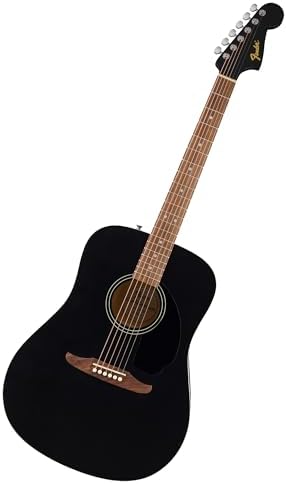
From school bands to orchestras and even rock concerts, acoustic guitars are versatile instruments suitable for various musical settings. They are particularly favored for their ability to blend seamlessly with other acoustic instruments, providing a warm foundation for any ensemble.
This post contains affiliate links. If you make a purchase through my links, I may receive a small commission at no additional cost to you. I only recommend products I truly believe in.
The Appeal of Electric Guitars
Electric guitars were born from the desire to amplify the softer sounds of acoustic guitars, evolving into a unique category with an extensive array of tones. The innovative design of electric guitars allows musicians to explore sounds that acoustic guitars simply cannot replicate. The invention of the first electric guitar, often credited to George Beauchamp’s “Frying Pan” in the early 1930s, marked the beginning of a new era in music.
Modern electric guitars come equipped with various features that enable extraordinary sound manipulation. Players can customize their setup with different strings, fret configurations, and even additional effects through amplifier settings and effects pedals. This gives electric guitarists an immense range of sonic possibilities, empowering their creative expression.
Key Differences Between Acoustic and Electric Guitars
The primary distinction between acoustic and electric guitars is their sound production. Acoustic guitars produce sound naturally, while electric guitars can generate both analog and electronic sounds. An electric guitar can be played unplugged, but its sound will be quiet and less pronounced when compared to an acoustic model.
From a design perspective, acoustic guitars are generally bulkier with wider bodies, while electric guitars feature streamlined shapes and thinner profiles. This aesthetic difference often attracts players seeking a modern look. Additionally, many musicians find electric guitars easier to play. With less force required to produce a sound, even a gentle touch can create a rich tone, making electric guitars more approachable for beginners.
Similarities Between the Two
Despite their differences, acoustic and electric guitars share a common heritage as stringed instruments. Both types typically have six strings, though there are variations with more. They each maintain essential components such as the body, neck, frets, and bridge. Importantly, you can use a pick or your fingers to play either type, and both guitars are suitable for various music genres, allowing them to fulfill similar roles—whether rhythm or lead.
Benefits of Acoustic Guitars

The unique charm of acoustic guitars lies in their authentic sound and versatility. While it is possible to mimic the sound of an acoustic guitar using an electric guitar, nothing can truly replicate that warm, natural quality. Acoustic guitars excel in settings like intimate gatherings, campfires, and solo performances, allowing players to connect with their audience without additional equipment.
Another advantage is portability. Acoustic guitars are lightweight and easy to carry around, making them ideal for musicians on the go. This ease of access enables you to practice or perform anywhere without the need for amplifiers or other electronics.
The Advantages of Electric Guitars
Electric guitars shine when it comes to versatility and sound manipulation. Musicians can completely alter their tone through the use of amplifiers and pedals, transforming the character of their sound in real time. This makes electric guitars incredibly appealing for creative players looking to explore different genres and styles.
From heavy distortion to gentle cleans, electric guitars can adapt to nearly any musical scenario. Additionally, certain playing techniques, such as finger tapping or harmonics, are far easier to execute on an electric guitar due to its design and string tension.
Reasons to Choose an Acoustic Guitar
Looking for an instrument that you can play anywhere without additional gear? An acoustic guitar might be the perfect choice. Whether you’re strumming along at a beach party, practicing in your room, or jamming with friends, you’ll appreciate the simplicity an acoustic guitar provides.
For those who enjoy a tactile, organic instrument, the acoustic guitar cultivates a robust connection between the player and the music. While it may present more of a challenge to master initially, the journey can enhance your overall musicianship. Many believe that learning on an acoustic guitar builds a strong foundation, making it easier to transition to electric guitar playing later.
Reasons to Opt for an Electric Guitar
For those drawn to a broad sonic landscape, electric guitars offer the freedom to explore various sounds and styles. Many players believe that an electric guitar encompasses all the capabilities of an acoustic one while providing additional options for creativity.
If you’re interested in genres like rock, metal, or jazz, an electric guitar may be essential for executing advanced techniques such as bends, slides, or fretboard tapping. The ability to modify your sound through various effects opens an expansive doorway to experimentation and self-expression.
Comparing Difficulty Levels: Acoustic vs Electric
Determining whether acoustic or electric guitar is harder to play often comes down to personal experience and preference. While many musicians feel that electric guitars require less physical effort to produce sound, others may find the tactile nature of an acoustic guitar challenging yet rewarding.
Acoustic guitars typically have thicker strings and a higher action, which can pose difficulties for some players. The key is finding the instrument that resonates with you and aligns with your playing style.
Final Thoughts on Acoustic vs Electric Guitars
Both acoustic and electric guitars offer unique advantages, allowing them to coexist in the musical landscape. The acoustic guitar infuses warmth and authenticity into performances, while electric guitars open up a world of possibilities for sonic exploration.
Understanding the strengths and weaknesses of each type is crucial in making an informed choice. Whether you’re leaning towards the natural tones of an acoustic guitar or the flexibility of an electric model, remember that both instruments have their place in the world of music. With plenty of options available, there’s no reason you can’t explore both and find the right fit for your musical journey.