The Great Guitar Debate: Rhythm vs. Lead
When it comes to guitars, there’s a notable division between players: some thrive on the rhythmic backbone of a song, while others shine in a more flamboyant, lead role. Factors such as personality and learning style play significant roles in determining whether someone gravitates towards rhythm or lead guitar. Despite the popular belief that lead guitar holds superior status, each role offers unique rewards and importance in the musical landscape. Let’s dive into this fascinating world and uncover the distinct features of rhythm and lead guitar, revealing why both are integral to creating captivating music.
Understanding Rhythm Guitar
Rhythm guitarists play a crucial role in providing the backbone of a song. Their primary function is to bolster the overall sound with chords, riffs, and consistent patterns. Traditionally, rhythm guitar has been seen as simpler, often complementing the drums and bass to create a cohesive sound. However, the advent of progressive music, particularly in genres like metal, has transformed this view. Bands such as Animals as Leaders and Dream Theater incorporate more complex elements into their rhythm parts, blurring the lines of simplicity.
Rhythm guitar can involve various patterns, from straightforward open chords to repeating riffs that form the song’s foundation. In many bands, the rhythm guitarist may also handle vocal duties, simplifying their guitar parts to focus on delivering a solid performance. Thus, while rhythm guitar might seem straightforward, it is deeply essential to the overall musical experience.
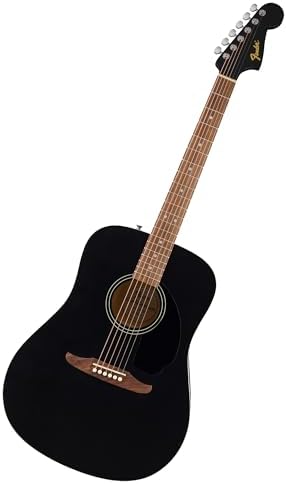
This post contains affiliate links. If you make a purchase through my links, I may receive a small commission at no additional cost to you. I only recommend products I truly believe in.
Exploring Lead Guitar
In contrast to rhythm guitar, the lead guitar often takes center stage, delivering captivating licks, spectacular solos, and memorable riffs that elevate a song’s emotional intensity. Lead guitarists typically play the more intricate parts, adding flair and personality to the music. Although it’s a common misconception that all lead guitarists thrive solely in the spotlight, many also excel in rhythm playing, showcasing their multidimensional talents.
While non-musicians might perceive lead guitar as more technically challenging, this is not a universal truth. In many heavy genres, rhythm guitarists may engage in equally demanding tasks, often playing in unison with lead parts. What sets lead guitar apart is the variety of techniques employed, such as vibrato, slides, and quick accents, contributing to the diverse sonic palette of a song.
Contrasting Rhythm and Lead Guitar Techniques
In terms of technique, rhythm guitar is characterized by its percussive style and rhythmic focus, establishing a strong foundation for the melody and lead guitar parts to shine. In contrast, lead guitarists prioritize expression and intricacy, frequently using techniques like shredding, arpeggios, and various pedal effects to heighten their performance.
Rhythm guitarists typically use basic effects—like distortion, an equalizer, and compression—allowing them to create an impressive sound without unnecessary complexity. On the other hand, lead guitarists often boast a variety of pedals, employing different effects to enrich their sound. From overdrive and high-gain distortion to modulation effects like phasers, lead guitarists enjoy experimenting with their tone to craft a signature sound.
Similarities Between Rhythm and Lead Guitar
Despite the differences, rhythm and lead guitars share essential commonalities. Both can be acoustic or electric, depending on personal preference. In various genres, such as heavy metal, it’s not uncommon for rhythm and lead guitarists to play overlapping parts, highlighting the collaborative nature of music creation. Additionally, with the right equipment and techniques, virtually any guitar can adapt to either role.
The Perks of Playing Rhythm Guitar
One of the main benefits of rhythm guitar is its accessibility, making it a more inviting option for beginners. The learning curve tends to be less steep, allowing new guitarists to find encouragement and enjoyment in playing along with their favorite songs. Additionally, rhythm guitar plays an indispensable role in solidifying the band’s overall sound. Without rhythm guitarists, the music would likely feel less cohesive and impactful.
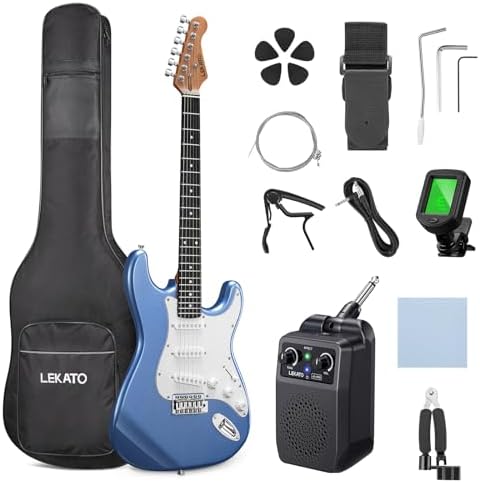
Rhythm guitar is often genuinely fun, as players can quickly grasp the essential parts of songs, making it easier to jam with fellow musicians. Moreover, it requires fewer pedals, minimizing setup time and allowing players to focus on honing their skills.
Advantages of Lead Guitar
Lead guitar frequently captures the audience’s attention, offering players the chance to shine. Although mastering lead guitar can be demanding, the rewards are extensive. Whether delivering a stunning solo or executing complex techniques like sweep-picking, lead guitarists enjoy a unique expression of their musical voice. This creativity makes lead guitar appealing, especially for songwriters who wish to bring their arrangements to life.
Why Choose Rhythm Guitar?
A common misconception is that only those who can’t play lead opt for rhythm guitar. However, many musicians find rhythm playing immensely rewarding. It allows for a high level of engagement during performances, fostering a strong connection with fellow band members and the audience alike. Furthermore, those intimidated by the idea of memorizing complex solos will find rhythm guitar a more manageable path to proficiency.
While rhythm guitar can be technically simple, it still demands significant stamina and accuracy, especially in genres like rock and metal where rapid picking is essential. Players interested in exceptional rhythm guitarists should take some time to explore the work of infamous players throughout history.
Reasons for Embracing Lead Guitar
Lead guitarists tend to be those with the technical skills and passion to enhance the songs they play. This role demands a diverse skill set, ranging from pinch harmonics to vibrato techniques. Successful lead players may memorize challenging solos and thrive on their ability to navigate complex musical structures.
Some individuals possess a natural inclination for uncovering patterns in what appears random to others. This analytical aptitude, combined with creativity, makes for exceptional lead guitarists. For those who relish the thrill of standing front and center at a performance, lead guitar is a fitting choice.
Is Lead Guitar More Difficult Than Rhythm?
While lead guitar is typically more challenging, this is not an absolute rule. The complexity of either role can hinge on the specific song being played. Each player’s experience and comfort level can also influence perceptions of difficulty. Therefore, it is essential to consider both aspects when assessing the skills required to excel in these roles.
Conclusion: A Harmonious Balance
The frequent misconception that lead guitar holds a superior position over rhythm guitar needs to be addressed. While the lead guitar may stand out more prominently in a song, the fundamental contributions of rhythm guitar cannot be understated. Each role has its unique strengths, and players in both categories can demonstrate exceptional skill and artistry.
Ultimately, the choice between rhythm and lead guitar depends on individual preferences and strengths. Introverted players may thrive in the supportive role of a rhythm guitarist, while extroverted musicians might feel more at home commanding the spotlight as a lead guitarist. Embracing both perspectives allows guitarists to appreciate the nuances of their craft and foster a collaborative spirit within their musical endeavors.