Exploring the World of Baritone Guitar: A Comprehensive Guide
If you’re diving into the realm of guitar playing, understanding the nuances between a baritone guitar and a standard guitar is crucial. While it may not be universally simpler or more challenging, the differences are significant and essential. Let’s embark on a journey to uncover what makes playing a baritone guitar a unique experience and discover how it may align with your musical goals.
What Is A Baritone Guitar?
A baritone guitar is a specialized type of guitar, distinct in both size and tuning. Typically larger than standard guitars, baritone models often come equipped with heavier strings. This hefty build gives baritones a unique feel; while they resemble standard guitars externally, the wider frets and thicker strings provide an experience akin to playing a bass guitar.
Baritone guitars can be electric, acoustic, or semi-acoustic—meaning they come with a pickup for amplification. While most models feature six strings, there are variations that include four, eight, or even twelve strings.
Baritone Size: An Important Distinction
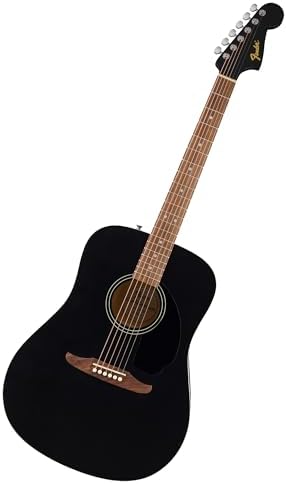
One of the most noticeable differences between baritone and standard guitars is the size. Baritones boast larger bodies and longer necks. The scale length, which describes the vibrating part of the string that influences sound quality, typically ranges from 27 to 30 inches for baritone guitars. In contrast, standard guitars generally range from 25.5 to 26 inches.
This increased scale length results in higher string tension, allowing baritone guitars to venture into deeper tunings with more stability. However, this bulkier construction also means you’ll need a larger gig bag when transporting a baritone guitar, making it essential to prepare accordingly.
The Unique Sound of Baritone Guitars
One of the key reasons musicians opt for a baritone guitar is the clarity and depth of tone it offers. The heightened tension in the strings produces a remarkably precise sound, especially noticeable in acoustic baritone guitars. These instruments have the ability to deliver ultra-low tones accurately, especially when tuned to dropped settings, which can prove challenging for standard guitars to replicate.
Moreover, baritone guitars have a natural tone that is distinctly deeper, making them perfect for genres that require a darker sound. If you’re into using effects or amplifying your guitar, the sonic signature of a baritone can serve as a robust foundation to build upon.
Baritone Tuning Explained
Most standard guitars are tuned to E Standard, but baritone guitars typically tune to B Standard. This unique tuning dramatically alters the natural sound, placing it five semitones lower than standard tuning. As a result, when covering songs, using a baritone means playing significantly lower.
However, thanks to their extended scale length, baritone guitars maintain string tension even when tuned lower. This stability helps preserve playing accuracy, provided you’re using quality baritone strings.
How To Play A Baritone Guitar
If you’re already familiar with playing a guitar or bass, transitioning to a baritone guitar will be relatively seamless. The fundamental playing techniques remain consistent, though some adjustments are necessary due to the unique features of a baritone.
Baritone Playability
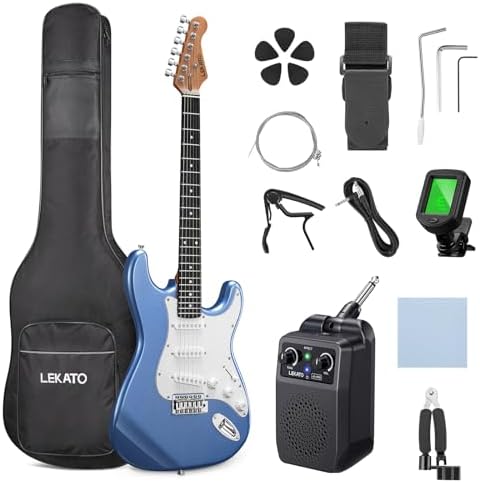
When it comes to playability, each guitar offers a unique experience. Baritone guitars are often recognized for their distinctive playability traits. They are particularly well-suited for chord-based playing and are favored by those with larger hands due to their wider necks. While the thicker strings and longer frets may take some getting used to, the learning curve is generally manageable for guitarists familiar with basic chords.
This post contains affiliate links. If you make a purchase through my links, I may receive a small commission at no additional cost to you. I only recommend products I truly believe in.
Are Baritone Guitars Difficult To Play?
While the larger frets on a baritone guitar may seem intimidating, they can actually simplify certain aspects of playing. Each fret is easier to press, but the increased spacing means you’ll need a bit more stretch. Although these guitars may not be the choice for shredders or those specializing in fast-paced music, they excel in rhythm playing and chord progressions.
For beginners, a baritone guitar can be a welcoming introduction to the world of string instruments. With its rich tonality and versatility, it offers an enjoyable playing experience for players of all skill levels.
How Does a Baritone Guitar Compare to a Bass Guitar?
While baritone guitars bear some resemblance to bass guitars—mainly due to their deeper tuning and thicker strings—there are crucial differences. Baritone guitars, typically six-string instruments, grant access to a broader range of pitches and frets, allowing for richer chords and versatility that a bass guitar may lack.
For bass players stepping into the guitar domain, the baritone provides a comfortable transition. The familiar low tones and string gauge can make adapting to a baritone an easier feat than switching to a standard guitar.
Is Investing in a Baritone Guitar Worth It?
Absolutely! Most guitarists will find value in adding a baritone guitar to their collection. While you can mimic some of the baritone’s benefits on a standard E-tuned guitar, the authentic experience of a baritone, with its unique sound and string tension, cannot be replicated without sacrificing performance elements.
For example, I favor using an acoustic baritone for introductions to moody tracks, allowing the deep resonance to set the tone. In contrast, for heavier songs that sit in standard B tuning, I’ll opt for my electric baritone. While my standard seven-string guitar usually suffices in many cases, the baritone opens up unique possibilities.
Final Thoughts on Playing Baritone Guitar
Engaging with a baritone guitar does bring different qualities compared to both standard guitars and bass instruments, but mastering it ultimately leads to a rewarding playing experience. Whether you want to explore the artistic depth of a baritone or simply wish to play in lower tunings, the baritone guitar might be the perfect addition to your musical toolkit.
As you set out on your journey with this unique instrument, embrace the learning curve and enjoy the rich tones and limitless creative potential it can offer!