The Fascinating World of Baritone Guitar Chords
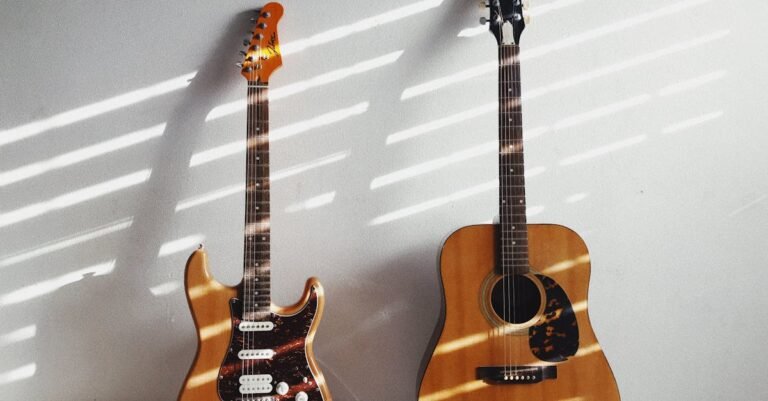
The baritone guitar, known for its extended neck and rich, resonant tones, has captured the attention of many musicians. Its unique design allows for a deeper and darker sound, prompting questions about how chords are affected when played on this type of instrument. Can you expect chords to sound different on a baritone guitar? And do you need to change how you play them? Spoiler alert: the answer is both yes and no. But fear not! We’re here to clarify everything about baritone guitar chords.
Understanding Baritone Guitar Chords
What Makes Baritone Chords Unique?
Baritone chords are fundamentally similar to those on a standard guitar. If you already know how to play chords like A Minor or D Major on a regular guitar, you can easily apply that knowledge to a baritone instrument without any major adjustments. However, sonically, there’s a significant difference. Baritone guitar chords resonate with a richer, darker tone due to its distinctive tuning.
While you can tune a baritone guitar to Standard E for a familiar sound, doing so can significantly increase string tension, affecting playability. If you’ve ever been curious about the unique sound produced by bands using ultra-low tunings, such as The Black Dahlia Murder or Kataklysm, the baritone guitar is likely a key factor in their signature sound.
Why the Design Matters
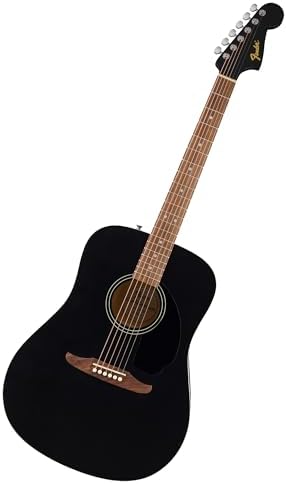
Baritone guitars are larger than standard ones, featuring longer necks and extended scale lengths that vary from 26.75 inches to a towering 30.5 inches. In contrast, the average guitar’s scale length usually hovers around 25 to 25.5 inches. This longer scale length has both benefits and drawbacks; it impacts not only the guitar’s tuning but also how chords are played.
The increased scale length provides a more extensive vibrating length for the strings. Additionally, fret spacing becomes wider. This means the baritone guitar features the same number of frets as a standard guitar, but they are spaced further apart. Consequently, players may find it easier to fret chords on a baritone guitar, as the wider frets accommodate a more comfortable hand position.
The B Standard Tuning
Why B Standard?
Most guitars are tuned to Standard E, which consists of the notes E, A, D, G, B, and E. Baritone guitars, however, are typically tuned down by 2.5 semitones to a tuning known as B Standard. This results in the open notes being B, E, A, D, F#, and B. Because of this lower tuning, the positions for playing chords you’ve learned on a standard guitar need to be adjusted if you want them to sound the same.
For instance, if you want to play a D Minor on a standard guitar, you would typically start with an open D string, add the 2nd fret on the G string, place the 3rd on the B string, and finish with the 1st on the high E string. On a baritone guitar, you would need to shift those positions up by 2.5 semitones to play the same chord.
The Challenge of Standard E Tuning on a Baritone
Some guitarists may feel compelled to retune their baritone guitars to Standard E for various reasons, such as wanting to practice with their favorite songs or compose music. Retuning is straightforward: simply adjust the tuning pegs two-and-a-half steps up. However, this transition comes with challenges.
When you tune your baritone guitar to Standard E, the strings experience heightened tension. This could lead to string breakage, especially if you’re using thinner gauges. To avoid this, it’s advisable to switch to heavier gauge strings, though even then, you may find that the action rises, making fretting more strenuous.
This post contains affiliate links. If you make a purchase through my links, I may receive a small commission at no additional cost to you. I only recommend products I truly believe in.
Embracing Electric and Semi-Acoustic Baritones
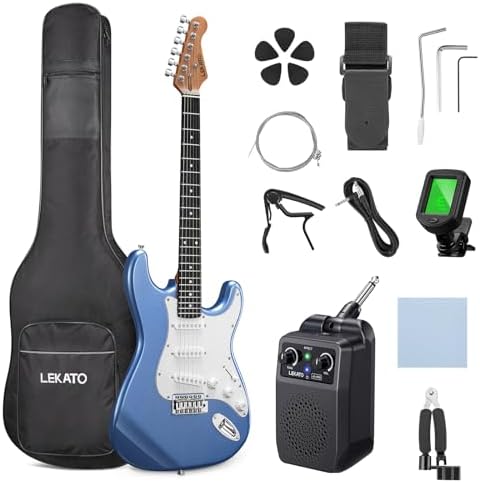
If you’re new to the baritone guitar and aim to bypass the hassle of re-tuning or employing a capo, you’re in luck if you have an electric or semi-acoustic baritone. Unlike their acoustic counterparts, electric and semi-acoustic baritones allow for various effects, including pitch-shifting pedals.
For example, a DigiTech Drop pitch-shifter can easily transpose your guitar’s signal to Standard E pitches, giving you the flexibility to explore a variety of sounds while maintaining the unique qualities of the baritone. Additionally, effects like EQ, compressors, and reverbs can help soften the instrument’s naturally darker tone, enriching your chord progressions.
The Practicalities: Baritone Guitar Chords Chart
Navigating baritone chords can initially seem daunting. To aid in your transition, here are two chord charts: one for E Standard to B Standard and another for E Standard to A Standard tuning. These charts will help illustrate how you can maintain your favorite chord shapes while adjusting to the baritone’s unique tuning.
E Standard Chords to B Standard Transposition
| E Standard Chord | B Standard Chord |
|——————|——————|
| A | E |
| A# | F |
| B | F# |
| C | G |
| C# | G# |
| D | A |
| D# | A# |
| E | B |
| F | C |
| F# | C# |
| G | D |
| G# | D# |
E Standard Chords to A Standard Transposition
| E Standard Chord | A Standard Chord |
|——————|——————|
| A | D |
| A# | D# |
| B | E |
| C | F |
| C# | F# |
| D | G |
| D# | G# |
| E | A |
| F | B |
| F# | C |
| G | G |
| G# | C# |
Playing Chords on Baritone Guitar: Key Takeaways
To summarize, playing chords on a baritone guitar requires the same finger positioning as a standard guitar. However, the differences in tuning and scale length mean that these chords will produce a distinctly different sound. If you wish to maintain the same tonal qualities as those on a standard guitar, you’ll need to play your chords 2.5 semitones higher, relying on the higher frets.
Utilizing a capo, an electric baritone with effects, or tuning your guitar to E are all viable options—but remember that each comes with its own set of challenges. While using the E tuning may offer a more familiar sound, the tension it creates can be problematic, necessitating heavier gauge strings.
Ultimately, the baritone guitar offers a unique sound that can enrich your musical repertoire. It serves as a versatile instrument that can handle the deeper tones preferred by many genres, from metal to jazz.
As you delve into the world of baritone guitar chords, remember that exploration is key. Embrace the learning curve, and enjoy the depth and richness that this instrument brings to your music. Whether you’re paying homage to your favorite bands or carving out your own unique sound, the baritone guitar is a worthy addition to any guitarist’s collection.