
Mastering Guitar: Your Essential Guide to Fast-Track Improvement
Learning to play the guitar can be a challenging journey. Regardless of the method you choose—self-study or lessons—the path to mastery often feels long and winding. Many aspiring guitarists struggle with this process because it’s easy to get lost and waste time on ineffective techniques. After nearly two decades of playing and reflecting on my experiences, I’ve distilled my journey into six key tips that can significantly accelerate your guitar-playing skills.
Table of Contents
- How to Enhance Your Guitar Skills
- 1.1 Stick to Consistent Practice
- 1.2 Explore Various Music Styles
- 1.3 Develop Your Ear for Tuning and Songs
- 1.4 Experiment With Different Guitars
- 1.5 Track Your Progress
- 1.6 Collaborate With Friends and Join Bands
- Final Thoughts on Improving Your Guitar Skills
How to Enhance Your Guitar Skills
Dive into the following strategies, and you may find yourself advancing as a guitarist faster than you ever imagined.
Stick to Consistent Practice
One of the most valuable pieces of advice I received early on was to practice regularly, even if only for a few minutes a day. Initially, I believed that extensive practice sessions on weekends would yield the best results. However, I soon learned that dedicating a short amount of time each day was far more beneficial for my growth as a guitarist.
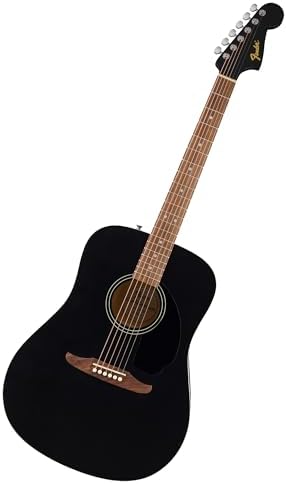
The logic behind this is clear. Your focus and productivity have limits. Attempting to catch up on missed practice with marathon sessions can often lead to burnout or ineffective learning. Instead, find opportunities to play every day—whether during breaks, after school, or even before bed.
The goal is to keep it enjoyable. If you find yourself dreading scales or theory, simply jam out to your favorite songs or experiment with new techniques that spark your interest. Daily engagement, even in brief doses, helps maintain momentum and enhances skill acquisition while ensuring you have fun along the way.
Explore Various Music Styles
In my teenage years, I was completely focused on metal music. This narrow perspective limited my understanding of the guitar and offered little variety. While I became adept at techniques characterizing my preferred genre—like shredding and tapping—I missed out on valuable lessons from other styles.
To grow as a guitarist, listen to a broad range of musical genres. Take note of the unique approaches and techniques employed by musicians across different styles, whether it’s the smooth bends of rock, the rhythmic nuances of blues, or the intricate chords of jazz. A varied musical diet not only introduces you to fresh ideas but can also inspire new techniques you might want to emulate in your playing.
Develop Your Ear for Tuning and Songs
When I first heard the impressive intro solo in “Scavenger of Human Sorrow,” I was eager to replicate it. Digital tabs made it accessible for beginners, but I quickly realized that over-reliance on these resources could stunt my long-term development as a musician.
It’s essential to cultivate your ability to hear and identify notes. Playing by ear serves as a vital skill for guitarists, allowing you to catch mistakes and make adjustments while playing. Embrace this challenge by trying to learn songs without the aid of tabs. Hum the notes, listen to complex compositions, and develop a keen sense of pitch.
Incorporating ear training into your routine can profoundly elevate your musicianship and deepen your connection to the instrument.

This post contains affiliate links. If you make a purchase through my links, I may receive a small commission at no additional cost to you. I only recommend products I truly believe in.
Experiment With Different Guitars
Every guitar has its own unique character. To deepen your understanding of the instrument, take the time to experiment with various models. You don’t have to purchase every guitar that catches your eye; simply visit local music stores or borrow from friends.
This exploration will allow you to discover how different guitars feel and sound. You may find that playing a headless, fretless, or seven-string guitar helps you develop new techniques and approaches. The variety of wood types, scale lengths, and fret actions adds layers to your skill set.
For example, I learned a great deal when trying out a Schecter Demon 7. Compared to my B.C. Rich Warlock, its wider frets instantly altered my playing dynamics, and I felt a notable improvement in my shredding speed upon returning to my original instrument.
Track Your Progress
You don’t need to maintain an extensive diary of your daily practice, but keeping notes about techniques, skills, or songs that challenge you can be immensely helpful. This process allows you to pinpoint areas that may need work and gives you insight into your practice habits.
Recording significant mistakes enables you to observe patterns in your playing, which can illuminate specific areas requiring attention. For instance, I struggled with chords for several months. By tracking my challenges—identifying which fingers I tended to misuse—I finally found a method that worked for me, and that revelation made a huge difference in my playing.
Putting your thoughts on paper simplifies your learning journey and can lead to substantial improvements over time.
Collaborate With Friends and Join Bands
Despite the effectiveness of independent practice, nothing compares to the dynamism of learning within a group. My progress accelerated dramatically the moment I began playing with other musicians, moving beyond my solitary practice sessions.
If you’re having trouble finding a gig, form your band with friends. Even if everyone is a complete beginner, learning from each other can be invaluable. Watching fellow musicians make mistakes allows you to avoid repeating them in your own playing—accelerating your growth.
Joining a band gives you goals and milestones to look forward to, whether it’s an upcoming performance or a recording session. This collaborative atmosphere fosters continuous learning and experimentation, turning every rehearsal into an enriching experience. Think of your bandmates as teachers who enrich your musical journey, all while keeping it enjoyable.
Final Thoughts on Improving Your Guitar Skills
Elevating your guitar skills is more than just logging hours of practice; it’s about smart, focused learning and diverse experiences. By engaging in daily, consistent practice—even for just a few minutes—you can maintain momentum and continue to fine-tune your abilities.
Broaden your musical horizons by exploring various genres, and take active steps to develop your ear through ear training and improvisation. Experimenting with different guitar types will not only familiarize you with the qualities of various instruments but also inspire new techniques that can enhance your playing.
Tracking your development will help you identify weaknesses in your technique, making it easier to focus on areas needing improvement. Finally, collaboration offers social enrichment and encourages growth that can only happen when you’re part of a musical community.
With dedication, patience, and a thoughtful approach as described in these tips, you’ll undoubtedly notice marked improvements in your skills. More importantly, embrace and enjoy the journey of becoming a better guitarist, as it is just as valuable as reaching the finish line.