
How to Make an Electric Guitar Sound Acoustic
Many professional guitarists own both acoustic and electric guitars. However, not everyone has the budget or need for both. If you primarily play electric but occasionally require an acoustic sound, mastering the technique to transform your electric guitar’s tone is essential. Although achieving that acoustic sound can take some time and experimentation, this guide will help you navigate the process step by step.
Understanding Electric vs. Acoustic Guitars
Before diving into the specifics, it’s essential to grasp the core differences between electric and acoustic guitars. Acoustic guitars rely on their body structure to amplify sound, while electric guitars depend on pickups and amplification. Thus, the tonal characteristics of these two types of guitars differ significantly. However, with the right techniques, you can blend the electric guitar’s capabilities with an acoustic feel.
Step 1: Upgrade to Thicker Strings
One of the first steps in adapting your electric guitar’s tone toward an acoustic vibe is changing the strings. Acoustic guitars typically use thicker strings, which help shape their distinct sound. By upgrading to a heavier gauge of strings, you can start to mimic this characteristic.
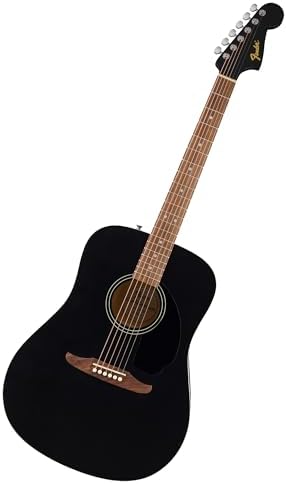
Consider using heavy-gauge strings, such as .012s, which are closest to the typical acoustic light-medium .012s. Steel strings work well for most people, but if you desire a more manageable tone, aluminum-bronze strings can also be effective. It’s advisable to avoid nylon strings unless you’re specifically aiming for a classical guitar sound.
Step 2: Tweak Your EQ Settings
Every musician has their unique style, which affects how they approach tone settings. There’s no one-size-fits-all EQ setting that can perfectly replicate an acoustic guitar on an electric. Some players might find that maximizing high frequencies while dropping the lower ones works for them, while others might take a different approach.
Start with a balanced EQ setting, then adjust each band of frequencies to see how they affect your tone. Your goal is to find a frequency profile that aligns closely with the acoustic sound you’re aiming for. A bit of trial and observation here can help you figure out what works best for your playing style.
Step 3: Record and Compare Your Acoustic Tone
Recording is a powerful tool for evaluating your electric guitar sound. You don’t need to hit the studio; simply use your phone to record an acoustic guitar sound you admire. It could be from an acoustic guitar you own or a well-crafted track from a streaming service.
After you have your reference recording, strum your electric guitar and juxtapose it against the recorded tone. Be mindful of the differences you observe. It’s crucial to perform this step to develop your ear for the acoustic qualities you’re trying to replicate. Make minor adjustments to your EQ based on your observations.
This post contains affiliate links. If you make a purchase through my links, I may receive a small commission at no additional cost to you. I only recommend products I truly believe in.
Step 4: Introduce Subtle Reverb
Adding reverb can significantly transform your tone, imparting a sense of depth and space similar to that of an acoustic guitar. The tonal behavior of an electric guitar differs from an acoustic one, making it necessary to replicate an acoustic ambiance artificially.

While any kind of reverb is better than none, investing in a high-quality reverb pedal can be beneficial. For a realistic effect, you might consider Ableton’s Convolution Reverb pedal, although it can be on the pricier side. For those on a budget, look for an analog-type reverb pedal labeled “room,” “chamber,” or “hall.” Keep in mind that digital reverbs can often add an unnecessary electrified tone to your sound.
Step 5: Upgrade to Piezo Pickups
If you’ve made the above adjustments but are still not satisfied with your electric guitar’s acoustic emulation, it might be time to consider upgrading your pickups. Piezo pickups are tailored for this purpose and can significantly improve your chances of achieving an acoustic-like sound.
It’s vital to choose Piezo pickups designed for electric guitars. Brands like LR Baggs, Fishman, and Skysonic offer excellent options, but affordable entry-level models can also help you get closer to the acoustic sound you’re after. Upgrading your pickups can be a cost-effective way to elevate your tone without buying an entirely new instrument.
Step 6: Adjust Your Amp Settings
The interaction between your guitar and amplifier plays a crucial role in shaping your tone. While some players prefer adjusting their amp settings before their guitar, I advocate setting your guitar up first. It’s easier to tweak the amp settings once your guitar is dialed in.
If you’re working with a simpler, more budget-friendly amp, focus on how your guitar’s EQ settings play with the amp’s tone control. For optimal results, ensure that you minimize the gain. This might be challenging with certain amps that have a naturally distorted sound, but strive to keep the gain as low as possible for a cleaner tone.
Step 7: Keep Testing and Experimenting
The journey to making your electric guitar sound like an acoustic isn’t a one-time effort; it’s an ongoing process. The sound you achieve will likely vary whenever you switch amps or gear, making continual experimentation necessary.
Stay committed to adjusting your settings, layering your pedals, and even exploring new gear that may provide cleaner acoustics. The key is to remain in a trial-and-error mindset until you uncover the perfect blend that feels right for you.
Final Thoughts
Transforming the sound of an electric guitar to mimic that of an acoustic takes patience and experimentation. By upgrading to thicker strings, tweaking your EQ, adding quality reverb, and even updating your pickups, you can get closer to that desired acoustic tone.
Continue to test and refine your settings. With practice and the right tools, you can successfully bridge the gap between electric and acoustic sounds on your guitar. Your quest for the perfect acoustic tone on an electric guitar may transform the way you play and produce music.
Embrace the process, and soon enough, you will master the art of creating an acoustic vibe with your electric guitar.