
Your Ultimate Guide to Mastering Guitar
Learning to play the guitar can be one of the most rewarding yet challenging experiences. As a self-taught guitarist with nearly two decades of playing under my belt, I understand the hurdles and triumphs along the journey. The most significant challenge many face is figuring out what to focus on during practice sessions. You want to maximize your time and avoid wasting it on the wrong techniques or skills. The good news is that there are various methods to learn guitar, and the key is to discover which one works best for you. In this guide, we will explore different approaches to learning the guitar and how to combine them to enhance your skills.
What Is the Best Way To Learn Guitar?
When it comes to the most effective way to learn guitar at a basic level, the answer is simple: consistent practice. Over time, as you engage with the instrument, you will uncover the nuances of music theory, technique, and those mind-blowing tricks you see professional guitarists perform. While there are no shortcuts to mastering guitar, you can certainly streamline your learning experience. Music lessons, online tutorials, and various tools—including guitar apps—can help you avoid common pitfalls and speed up your development.
How I Learned To Play Guitar
Reflecting on my journey as a self-taught guitarist, I’ve had numerous discussions with fellow musicians about the most effective learning methods. Learning the guitar is inherently subjective; what works for one person may not resonate with another. However, I firmly believe that a combination of methods can help you achieve your goals more efficiently.
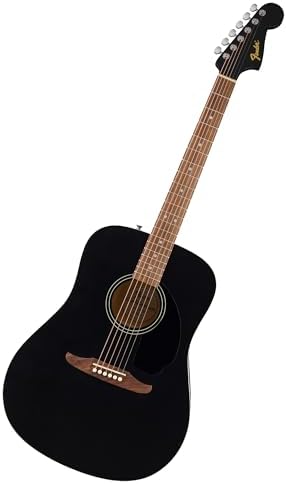
Throughout my experience, I explored various music schools that offered courses focused on basic guitar skills and music theory. Additionally, I subscribed to several online platforms aimed at different styles, such as rock or acoustic blues. YouTube tutorials played a small role here too, albeit often created by amateurs. Despite that, I found inspiration even from those less polished videos.
I also experimented with numerous guitar learning apps, ranging from simple tuners to gamified lessons. These resources proved beneficial once I grasped the fundamentals of guitar playing. Whether you have experience or are a novice, the key takeaway is this: the best way to learn guitar is to start playing and make consistent practice part of your routine. Let’s delve into specific methods and their benefits.
This post contains affiliate links. If you make a purchase through my links, I may receive a small commission at no additional cost to you. I only recommend products I truly believe in.
Guitar Lessons & Schools
One of the major hurdles you’ll encounter while mastering guitar is determining what you should be focusing on. Should you spend time learning chords, scales, and music theory, or jump straight into covering your favorite songs? A solid music curriculum can take that dilemma off your plate. Music schools and lesson programs typically structure their courses based on proven methodologies established by professional instructors.
Whether you opt for in-person classes or online lessons depends on your convenience. Many online platforms offer both one-on-one instructions and group sessions, providing flexibility and a wealth of teaching styles. Each instructor brings unique knowledge and expertise, offering opportunities to expand your understanding.
If I had to recommend one platform, it would be GuitarTricks. Their extensive roster of certified instructors specializes in various guitar styles, making it easy to find lessons tailored to your interests or goals. One downside is the financial expense involved, as lessons can add up.
Online Tutorials And Free Resources
Not everyone is willing or able to pay monthly fees for guitar lessons, which is where online tutorials come in. The beauty of the internet today is that high-profile guitar teachers often provide tutorials on their social media platforms, available for free. Just a few years back, finding quality guitar tutorial videos was a tedious task filled with amateur content. Now, the landscape has shifted, as professional instructors offer valuable insights and lessons online.
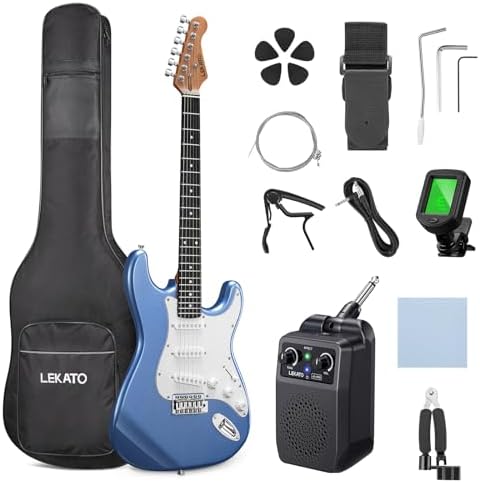
However, bear in mind that these free resources often focus on brief segments—essentially teasers designed to promote their platforms. As a result, you might not receive in-depth coverage of topics like music theory, chord breakdowns, or comprehensive lessons.
Despite these limitations, online tutorials are an excellent starting point for beginners. They offer accessible insights into different techniques without the financial commitment of formal lessons. Just keep in mind that while you’re gaining information for free, you might have to dig deeper for more comprehensive learning.
Guitar Learning Apps & Tools
The advancement of technology has transformed how we approach learning guitar. Modern guitar learning apps and tools provide virtual chords, tabs, and interactive lessons that can complement traditional learning methods. These resources are best viewed as supplementary aids rather than replacements for formal teaching.
For instance, you can explore gamified guitar emulators, tuners, and various accessories that help teach new concepts. Though convenient, it’s essential to use these apps to enhance your learning rather than rely on them entirely. They can be an excellent way to review what you’ve been practicing or to discover new techniques at your own pace.
Practice
As Zig Ziglar famously said, “Repetition is the mother of learning, the father of action, which makes it the architect of accomplishment.” This statement rings especially true when it comes to guitar practice. Even if you start without any knowledge of chords or techniques, you can still begin strumming and exploring sounds.
My initial guitar practice involved strumming the E string while listening to System of a Down’s “Science.” I had no clear idea of what a riff was, but I instinctively tried to match the tempo. This trial and error led me to discover various notes and, eventually, the joy of playing chords.
Practicing in this organic way allows you to develop an intrinsic understanding of the instrument. As you explore finger exercises, basic scales, and chords, you’ll see patterns emerge, leading to greater musical comprehension. This foundational knowledge becomes incredibly valuable as you progress.
The more you practice, the more enjoyable playing the guitar becomes. Before long, you’ll see your skills evolve, opening up new avenues for creativity and self-expression. In the beginning, your primary goal should be to train your fingers to adapt to unfamiliar movements. Frequent practice will develop the muscle memory needed for seamless playing.
Final Thoughts on Learning Guitar
Before we wrap up, it’s essential to remember that mastering any skill, including guitar, is a highly personal experience. Some individuals thrive as self-taught musicians, while others may feel overwhelmed within a short time. One guitar lesson platform may resonate with you, while another might leave you feeling underwhelmed.
Ultimately, the best way to learn guitar is through exploration. Experiment with different methods, from structured lessons to online tutorials and apps, until you find what resonates with you personally. Musical growth is a journey filled with countless options—discover what enhances your learning curve and fits your individual needs. Embrace the experience, and enjoy the beautiful journey of becoming a skilled guitarist!