
Mastering Guitar Without Hurting Your Fingers
Learning to play the guitar is an incredible journey, but let’s face it: nearly every beginner encounters the annoying challenge of sore fingers. Pressing down the strings can lead to discomfort, and let’s not even start on the awkward angles your fingers are twisted into! The silver lining? There are ways to ease this pain! While certain tools are touted for their protective qualities, it’s often better to rely on some good old-fashioned techniques to enhance your playing experience. Read on to discover effective strategies for minimizing discomfort and boosting your skills.
Understanding the Challenges
The Reality of Finger Pain
As you embark on your guitar-playing adventure, it’s essential to accept that a bit of pain is part of the process. Many new guitarists report aching fingertips and sore hands. This isn’t just a rite of passage; it’s a universal experience for anyone dedicated to mastering the instrument. If you’re feeling the burn in your fretting hand, rest assured you’re not alone. Players of all levels have faced this challenge on their path to proficiency. But don’t let the pain deter you. Instead, take it as a sign that you’re making progress. As you’ll learn, there are several strategies to help alleviate discomfort while you build strength and resilience.
This post contains affiliate links. If you make a purchase through my links, I may receive a small commission at no additional cost to you. I only recommend products I truly believe in.
Strategies for Playing Without Pain
The Basics You Should Know
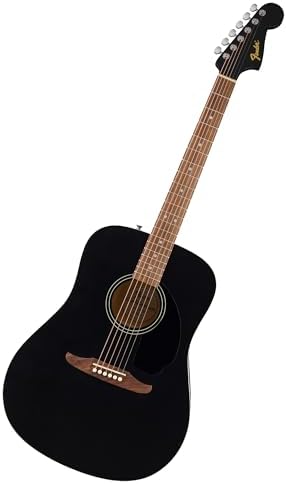
Before diving into techniques and tools, it’s critical to grasp the nature of the guitar. As a beautifully intricate instrument, it’s both inviting for novice musicians and infamously repelling due to the discomfort it can cause. The pain experienced generally stems from the fretting hand and is often a result of insufficient strength and callus development.
While there’s no foolproof way to dodge this discomfort, there are ways to manage it effectively. Embracing these challenges will help you enhance your skills — remember, every musician goes through this! Rather than getting discouraged, look at it as an essential part of the learning experience.
Tools for Relief: Are They Worth It?
There are an array of tools on the market that claim to make playing more comfortable. One example is the Chord Buddy, a handy gadget that uses buttons to help you play chords without actually pressing down the strings. While it may sound like a fun learning aid, this tool doesn’t encourage the necessary finger strength you need for long-term success. It’s more suitable for young learners who want to spark an interest in the instrument, but it’s not a sustainable solution for serious players.
You may also come across fingertip protectors designed to cushion your fingers while playing. While these offer some benefits, they can also hinder your ability to connect with the fretboard properly. Having direct contact with the strings is essential for developing familiarity and dexterity on the guitar. Although there’s nothing wrong with using these tools temporarily, they shouldn’t replace a focused practice regime.
For the more ambitious beginner, consider “pocket guitar necks,” which allow you to practice chord formations and scales. These practice aids can be effective and are often more helpful than other options mentioned. If you’re looking for a gentler start, nylon-string guitars might be an appealing alternative. Their softer strings provide a milder experience on your fingertips. However, keep in mind that this option may require purchasing a separate instrument.
The Hard Truth: Building Calluses is Key
Embrace the Process
Let’s get real: building calluses is a must! Over time, your fingertips will develop tougher skin, which will help reduce discomfort when pressing down on the strings. Yes, this process can be painful initially, but it’s necessary for your development as a guitarist. Both strength and endurance in your fretting hand will come with consistent practice.
It’s tempting to lean on protective gear, but relying too heavily on these aids may lead to bad habits. To truly excel, the goal should be to shed these tools when you’re ready. The sooner you adapt to playing without them, the better prepared you’ll be to elevate your skills.
Tips for Easing the Discomfort
Modify Your Practice Routine

Although pain is unavoidable in learning guitar, there are several strategies to manage it effectively. A simple method is reorganizing your practice sessions. Instead of dedicating long hours in one sitting, break it down into shorter, more manageable segments.
For example, you might choose to practice for around 20 minutes consistently each day, rather than cramming in multiple hours every few days. This way, your fingers can gradually acclimate to the demands of playing without overwhelming yourself.
Engage in Mental Practice
If you’re feeling too sore to strum the strings, don’t let that be an excuse to skip practice entirely. You can engage in mental practice by visualizing the finger placements and chord progressions in your mind. This may sound unconventional, but it’s an effective way to reinforce your learning even when your hands need a break. Imagining your fingers moving through scales or songs can significantly help you retain and understand the material.
Start with Basic Finger Exercises
Incorporate finger exercises into your daily practice to build strength and flexibility. These exercises help familiarize your fingers with the movements necessary for playing chords and solos. Over time, you will notice an improvement, not only in your technique but also in your comfort level while playing.
Gradual Increase in Practice Time
As you grow more comfortable, you can start to extend your practice sessions. Initially, stick with 20 minutes a day, and gradually increase by adding a few extra minutes each week. Listen to your body — if you’re experiencing soreness, scale back your practice until your fingers recover.
Final Thoughts on Playing Guitar Comfortably
While it’s impossible to completely eliminate the discomfort that accompanies learning to play the guitar, there are practical strategies you can employ to ease the pain while building strength and calluses in your fretting hand.
Relying on tools like fingertip protectors or practice aids may offer momentary relief, but the most effective approach lies in gradually enhancing your endurance through regular, moderate practice sessions. Altering your routine and steadily increasing your playing time will lead to reduced discomfort and allow your hands to adapt.
The journey of learning guitar can be challenging, but the rewards of becoming a skilled musician certainly make those initial struggles worthwhile. Remember, patience and diligence are key. Embark on this rewarding musical adventure with confidence, knowing that every chord you play brings you one step closer to your goals!