Singers have a unique advantage: they don’t need a hefty investment in an instrument, and they don’t have to carry around heavy gear to gigs. However, they also face challenges akin to those of musicians who do play instruments, particularly when it comes to finding an appropriate practice space. If you happen to have a dedicated area for rehearsal, you can skip ahead. But for those still searching for the ideal spot to hone your vocal skills, we’ve got you covered. In this article, we will explore the best locations for your singing practice, weighing the pros and cons of each option to help you find the perfect place to sing.
Where Can I Sing?
Let’s dive into some of the most popular places to practice singing, starting from the comfort of your own home.
Your Room
Your bedroom is often the most accessible and comfortable place to practice singing. Here, you can experiment freely without the fear of judgment. However, while this space provides a certain level of comfort, it also has its drawbacks.
Advantages
- Comfort and Privacy: Your room is where you feel at ease, allowing you to focus on your practice.
- Convenience: There’s no need to travel to a separate location, and you can practice whenever you want.
Disadvantages
- Sound Isolation Challenges: Although you might be alone, your housemates or neighbors may be disturbed by your vocal exercises.
- Acoustic Limitations: Most bedrooms are not built with sound in mind. You might need to enhance the acoustics with sound-absorbing materials to improve your experience.
Garage or Storage Space
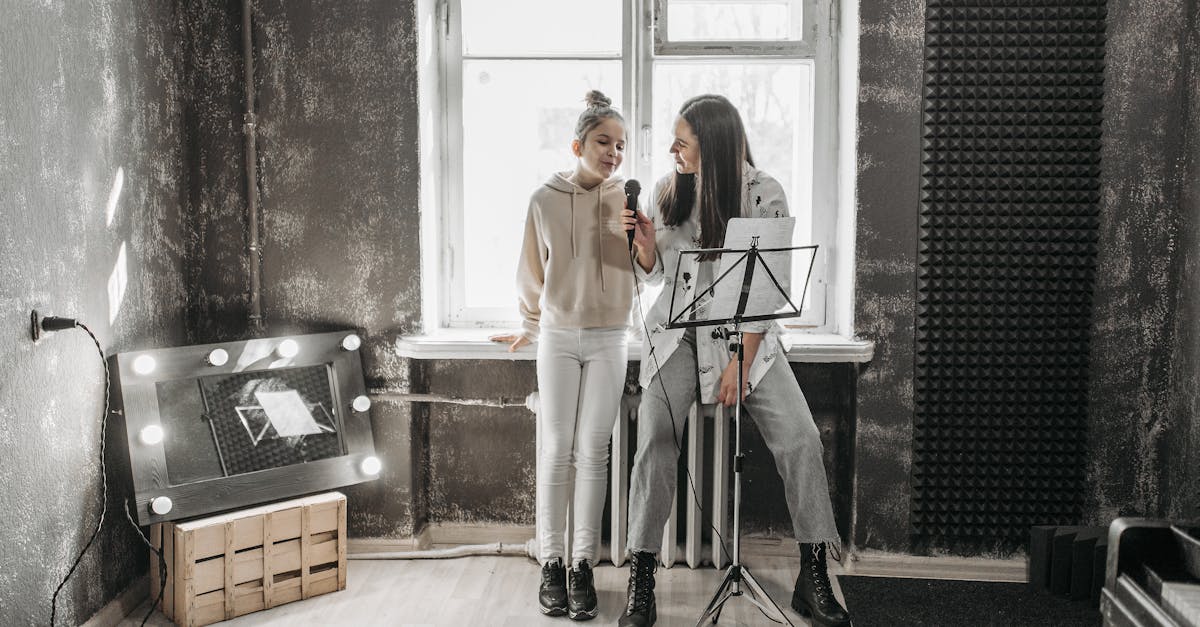
Many singers find that converting a garage or an unused storage area in their home can create an effective practice space. While not the conventional choice, it can offer more freedom compared to a typical room.
Advantages
- Better Sound Isolation: Garages are often easier to soundproof than bedrooms, which means you can practice without disturbing others as much.
- Flexibility for Setup: You can arrange the space for better vocal exercises, accommodating your personal needs.
Disadvantages
- Potential Neighbor Disturbances: Depending on the proximity of neighboring houses, noise could still be an issue.
- Need for Soundproofing: You may have to invest some effort into sound isolation to optimize your practice time.
Home Studio
Creating a home studio is an ideal option for serious singers who want to take their practice to the next level. This solution might not be feasible for everyone, but it can provide numerous benefits for those ready to invest time and resources.
Advantages
- Professional Setup: A dedicated studio allows for high-quality recording and practice, helping you track your progress and refine your techniques.
- Optimal Environment for Singing: A well-designed studio sets the stage for effective practice without many distractions.
Disadvantages
- Costly Investment: Setting up a home studio can be expensive and time-consuming.
- Space Limitations: You will need a spare room, which not everyone has available.
Renting a Rehearsal Space
For those looking for a dedicated environment specifically designed for musical practices, renting a rehearsal space is an excellent choice.
Advantages
- Professional Acoustics: Rehearsal studios typically have great sound-proofing and acoustic quality, making it easier to focus on your singing.
- Access to Equipment: Many spaces come equipped with microphones and PA systems, allowing you to practice vital performance skills.
Disadvantages
- Time Constraints: Rehearsal spaces often require scheduling, which may not fit your availability.
- Ongoing Costs: Renting these spaces can become costly over time, especially if you practice frequently.
Music Schools
If you’re enrolled in a music school, you may have access to practice spaces designed specifically for students. This is an excellent opportunity for those already taking classes.
Advantages
- Access to Resources: Often, these schools have instruments and technology available for practice, which can enhance your learning experience.
- Professional Environment: The dedicated space is typically conducive to focused practice.
Disadvantages
- Limited to Students: Generally, only current students can access these facilities, making them inaccessible for others.
Open Spaces with Few People Around
Practicing in an open area can be a viable option but comes with significant considerations.
Advantages
- No Disturbances: If done in a secluded area, you won’t have to worry about interfering with others.
- Cost-Effective: Practicing outdoors is a free activity, making it a budget-friendly choice.
Disadvantages
- Lack of Acoustic Support: Outdoor spaces may lead to oversinging due to the absence of walls reflecting sound.
- Potential Embarrassment: If others are nearby, you might feel self-conscious about singing in public.
Public Spaces and Venues
Don’t overlook the possibility of using local public venues for practice. Schools, community centers, and religious institutions may offer their facilities for singers.
Advantages
- Free or Low-Cost Options: Some venues provide space free of charge, making it easy to practice without financial pressure.
- Good Acoustics: Many of these spaces are designed for performances, giving you a chance to test your skills in an appropriate environment.
Disadvantages
- Availability Limitations: These spaces often have schedules filled with events, making access challenging.
- Potential for Distractions: If the venue is busy, you may find it difficult to concentrate on your singing practice.
Practicing in Your Car
Your vehicle can serve as an unconventional practice space, but it’s not ideal by any means.
Advantages
- Privacy on the Go: If you’re in a pinch, your car provides an opportunity to practice without disturbing others.
- Cost-Free Option: You don’t have to pay to use your own vehicle for practice.
Disadvantages
- Poor Acoustics: With confined space comes compromised sound quality.
- Posture Issues: Practicing while seated may hinder your vocal technique, as good posture is crucial for singing.
Karaoke Bars for Practice
Karaoke bars can be hit or miss for singers looking to practice, depending on the setup. Western-style karaoke often requires performing in front of a crowd, which can be intimidating.
Advantages
- Fun Atmosphere: These venues can make singing practice feel more like a fun outing, especially if you love the karaoke experience.
- Equipment Accessibility: Many karaoke establishments offer well-set-up systems, helping you get used to singing with microphones.
Disadvantages
- Potential Costs: Most karaoke bars require payment, which could add up.
- Limited Song Choices: You might be confined to singing only the songs available in their catalog.
Final Thoughts on Where to Practice Singing
If you have a soundproof studio or access to one without hefty fees, you’re in an ideal position for vocal practice. If that’s not the case, don’t worry. Your own room or other areas in your home can still provide opportunities for growth. Additionally, public spaces or venues might offer affordable access to facilities designed for performance.
Remember to explore various locations until you find the setup that feels right for you. While it may take some trial and error, the important thing is to get out there and sing. Whether you end up in your bedroom, a garage, or a public space, the goal is to make the most of wherever you practice singing. Your voice is your instrument, so find the right environment to help it shine.