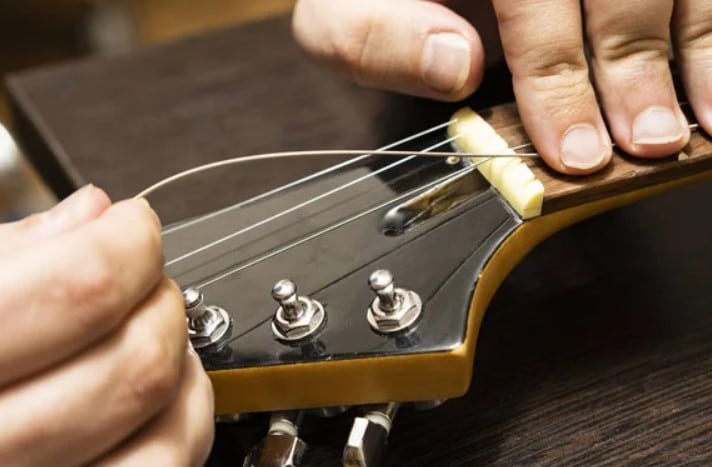
Changing guitar strings can often feel like a chore, but it’s a necessary task for every guitarist, especially for professionals who may need to change them frequently. Unlike a fixed schedule, the ideal timing for string changes varies based on a variety of factors. In this article, we’ll explore the important aspects that determine when to change your guitar strings and provide tips on extending their lifespan.
How Often Should You Change Guitar Strings?
The frequency of changing guitar strings hinges on two main factors: your playing habits and the sound quality you desire. Here’s a general guideline to help you determine how often to change them:
Guitarists on Tour or Gigging Frequently
If you’re a touring musician or play live shows regularly, it’s best to change your strings before every performance or at least after a couple of gigs. Fresh strings provide the best sound quality, ensuring your guitar remains in tune throughout your sets. If you notice you’re tuning often during a performance, it might be time to reassess how regularly you’re replacing your strings.
Professional Session Musicians and Recording Artists
For those working in recording studios, it’s advisable to change your strings weekly, especially when you’re busy. New strings are crucial for capturing the best sound during recordings, as producers often expect guitars to have a bright and clear tone. If you prefer a worn-in sound for a particular track, changing strings right before recording is usually still recommended.
Dedicated Players with Regular Practice
If you practice frequently, consider changing your strings once a month. While preparing for an upcoming gig or recording, you can initially allow your strings to age slightly but avoid letting them become too worn. Fresh strings not only provide a better sound but also make playing easier and more enjoyable.
Casual Players
For those who play occasionally and don’t have a structured practice routine, you can get away with changing your strings roughly every three months. While they may attract some dust and dirt, they won’t experience significant wear like heavily used strings. Just keep an eye on conditions; if your strings start to feel uncomfortable, it’s a good indicator that it’s time for a change.
Why is Changing Your Guitar Strings Necessary?
Like any other gear, guitar strings wear out over time. They become less effective due to a variety of factors:
-
Natural Decay: Guitar strings succumb to rust, dirt, and the natural oils from your fingers. As these accumulate, the sound quality diminishes noticeably, leading to a duller tone compared to fresh strings.
-
Intonation Issues: Old strings might struggle to hold tension, resulting in them frequently falling out of tune. A guitar that won’t stay in tune can be frustrating during performances or practice.
-
Aesthetic and Playability Concerns: Nobody likes to play with dingy, gray strings. Their visual appeal is diminished, and they often feel more difficult to play as they age, leading to discomfort while practicing.
-
Risk of Breakage: Old strings are at higher risk of breaking, especially during intense play. Not only can this disrupt a performance, but it can also lead to unwanted frustrations.
Factors Influencing String Change Frequency
Understanding the nuances of different playing styles can provide insight into how often you’ll need to change strings.
Guitarists on Tour or Those Who Gig Often
For performing musicians, the condition of every component of their instrument is vital. Regularly replaced strings ensure your instrument sounds its best. Changing strings before each show helps prevent issues, like strings breaking mid-performance, thereby maintaining your professional image.
Session Musicians and Recording Artists
Recording artists should prioritize fresh strings to deliver the best sound possible. Weekly changes are advisable, with additional replacements before recording sessions. The need for perfect sound quality makes fresh strings an essential part of your toolkit.
Committed Students or Practitioners

If you are dedicated to your craft, changing strings monthly suits your needs well. The physical differences between fresh and older strings can impact your practice sessions, inhibiting your progress.
Casual or Recreational Players
If you play merely for leisure and not often, a change every few months should suffice. However, keeping an eye on string condition will help you decide when sounds become undesirable.
Tips to Prolong the Life of Your Guitar Strings
Changing strings regularly is not the only method to ensure good performance. Here are some practices to help extend the lifespan of your guitar strings:
Wash Your Hands
Start with clean hands. Regularly washing your hands prior to playing can help eliminate oils and grime that could transfer to your strings, which helps keep them cleaner for longer.
Clean Your Strings
Cleaning your strings immediately after use is fundamental. Wiping them down with a microfiber cloth can drastically increase their lifespan. For deeper cleaning, use a slightly damp cloth to glide along the strings, ensuring to reach all areas for a thorough clean.
Apply Lubrication
Applying a lubricant to your strings after cleaning can reduce friction, making them smoother to play. Some musicians prefer this method to preserve string quality, but others feel it can create a film that detracts from the sound. Experiment to see what works best for you.
Maintain Your Fretboard
Don’t forget about your fretboard. Keeping it clean assists in maintaining your strings. It’s ideal to clean the fretboard when you change your strings, as removing them allows easier access.
Opt for Treated Strings
Invest in coated or treated strings. These are designed to last longer than conventional strings, providing your instrument with durability and potentially saving you money in the long run.
Proper Guitar Storage
Store your guitar in a case when not in use. Keeping your instrument secured protects it from environmental factors that can affect string life, such as humidity and dust.
How Long Do Guitar Strings Typically Last?
There’s no definitive answer to the life span of guitar strings since it depends on how often you play and how you maintain them. However, by combining the above practices with your playing habits, you can manage string longevity effectively.
Ultimately, the best approach for changing strings relies on understanding your playing style, setting, and personal preference. Make string maintenance part of your routine.
Embrace the changing of strings as an essential task in your guitar journey. Whether you’re rocking a classic Fender Stratocaster, a Les Paul, or any other model, what matters is the sound you produce. Avoid letting worn strings diminish your musical experience.
Remember, the joy and quality of playing your guitar come from both regular practice and maintaining your instrument to the highest standards. With these tips, you’ll be better equipped to enjoy the music you create on your guitar for years to come.