
Understanding Guitar String Lifespan
When I first picked up the guitar, my mindset was straightforward: I would only change the strings when they actually broke. I’m curious if many of you started with the same philosophy. However, as my dedication to playing grew, so did my awareness of my instrument’s maintenance. It became clear to me that I needed to change my strings as soon as they began to show signs of aging.
Recognizing the Signs of Worn-Out Strings
One of the critical questions that often arise for guitar players, both novice and experienced, is how to determine when guitar strings need to be replaced. Over the years, I’ve honed my ability to recognize when my strings no longer resonate with the same clarity, brightness, or comfort as before. But even if you can’t hear or feel the subtle differences, there are several signs and guidelines that can help you identify when it’s time for a change.
Common Indicators You Need to Change Your Strings
As you start to become more attuned to your guitar’s nuances, you may find that certain indicators can signal when a string change is needed. Here are a few noticeable signs you can look out for:
Visual Discoloration
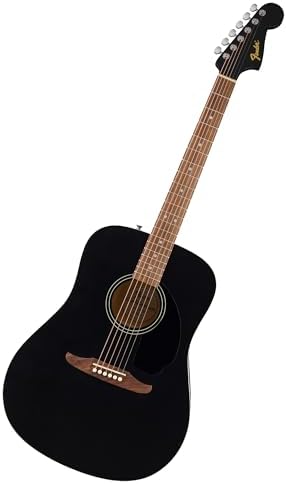
One of the first things to check is the appearance of the strings. If they appear tarnished or discolored, it’s a strong indication that they have seen better days. A typical sign of wear is when you notice a dull or rusty finish on the strings. Clean strings not only look better but also enhance the overall sound quality.
Diminished Tone Quality
If you notice that your guitar doesn’t sound as vibrant or full as it once did, it might be time to change your strings. With time, strings lose their tonal brightness and clarity, leading to a more muted sound. This decline often goes unnoticed at first because the ear can adapt to subtle changes, but your playing experience will improve with new strings.
Reduced Playability
Another important aspect is how the strings feel under your fingers. If you find that the strings feel rough or gritty, it may affect your overall playing comfort and technique. Old strings can also lead to intonation issues, making it more challenging to hit the right notes accurately.
Frequent Tuning Issues
Are you finding yourself tuning your guitar more often than usual? If your strings won’t stay in tune, they may be past their prime. While a fresh set of strings should hold their tuning well, worn-out strings can slip in pitch more often, indicating that it’s time for a change.
Build-Up of Dirt and Grime
Over time, natural oils from your fingers, along with dirt and grime, can accumulate on your guitar strings. While a simple wipe-down can help, investing in a decent string cleaner can go a long way in extending the life of your strings. Make it a habit to clean your strings regularly—aim for using a string cleaner at least once a week if you play frequently.
The Importance of String Maintenance
Understanding how to care for your guitar strings can significantly enhance your playing experience. It’s not just about sound; string maintenance can also positively influence your technique. If you find yourself playing on old, worn strings, you might unconsciously adjust your playing style—perhaps using more force or altering finger positions—to compensate for their diminished quality.
What Happens if You Neglect Changing Strings?
While it might seem okay to play with the same strings for an extended period, there are downsides that come with neglecting regular changes. At first glance, you might feel that your strings are performing just fine. You might even fool yourself into thinking your year-old strings still sound good. However, like any other element in life, degradation happens gradually, often escaping immediate notice.
Accumulation of Wear and Tear

Over time, the slow deterioration of string quality can lead to a less than enjoyable playing experience. Your ears might adapt to the subtle decline, making it harder for you to recognize how much has changed. This adaptation leads to many players unintentionally conforming their technique to accommodate a duller sound, which can stifle both creativity and skill growth.
Guidelines for Regular String Changes
Although you might be able to identify when to change your strings based on sound and feel, it’s always helpful to have a routine.
Frequency of Changes
Most players find it beneficial to change their strings every one to four weeks, depending on factors such as how regularly you play and the type of strings you use. If you’re a frequent player (for example, several hours a week), aim for the shorter end of that range. Conversely, if you play less often, a longer time frame might be acceptable. As a general rule of thumb, plan to change strings if you notice any of the previously highlighted signs.
Making it a Habit
Make string maintenance a part of your guitar routine. Establish a schedule so that it becomes a seamless part of your musical practice. Even if you aren’t playing as often, it’s ideal to perform regular checks to ensure your strings are in good condition.
Duration of Use
As a guideline, consider replacing your strings after roughly 300 hours of playing. By that point, even if they don’t seem visibly worn, they likely don’t sound or feel their best. Fresh strings can reinvigorate your playing and return that much-desired brightness and clarity.
The Best Practices for Caring for Guitar Strings
As you develop your routine for changing strings, it’s equally important to look after them properly.
Wiping Down After Use
One of the simplest yet most effective practices to prolong your string life is to wipe them down after each play session. This removes oils, dirt, and moisture that can cause corrosion, increasing their life span.
Using the Right Cleaning Products
While there are specific string cleaners available, not all cleaning products are safe for all fretboards and strings. Before using a new cleaner, read the label to ensure it’s suitable for your instrument. When unsure, a soft cloth can work wonders for a simple spot clean.
Storing Your Guitar Properly
How and where you store your guitar can play a role in string longevity. Avoid environments with excessive humidity or dryness as they can impact the strings as well as your guitar’s body. Keeping your guitar in a stable environment can help extend its lifespan.
Conclusion: Finding the Right Balance
As you consider your guitar string maintenance approach, remember that developing an ear for subtle changes takes time and experience. By paying attention to visual cues, sound quality, and playability, you will become more skilled at recognizing when it’s time to change your strings. Even if you don’t notice any immediate changes, be proactive in replacing them after significant use.
Fostering a routine that incorporates regular string changes and proper maintenance will not only enhance your musical experience but also support your growth as a guitarist. Whether you’re playing for fun or pursuing a career, fresh strings can truly make a difference, leading to an improved sound, better playability, and ultimately, a more joyful experience playing the guitar. Enjoy your journey with your instrument, and don’t underestimate the power of a new set of strings!