The Fascinating World of Cutaway Guitars
Cutaway guitars are an intriguing aspect of guitar design that has become increasingly popular among musicians. But what exactly is a cutaway guitar? Simply put, it’s a guitar that has a portion of its body removed, allowing for enhanced playability and access to the higher frets. Across the landscape of both electric and acoustic guitars, cutaway shapes can vary significantly, showcasing an array of distinctive styles. In this article, we will explore the allure of cutaway guitars, dive into their history, discuss their advantages and disadvantages, and uncover the most popular types that you might encounter.
What Is a Cutaway Guitar?
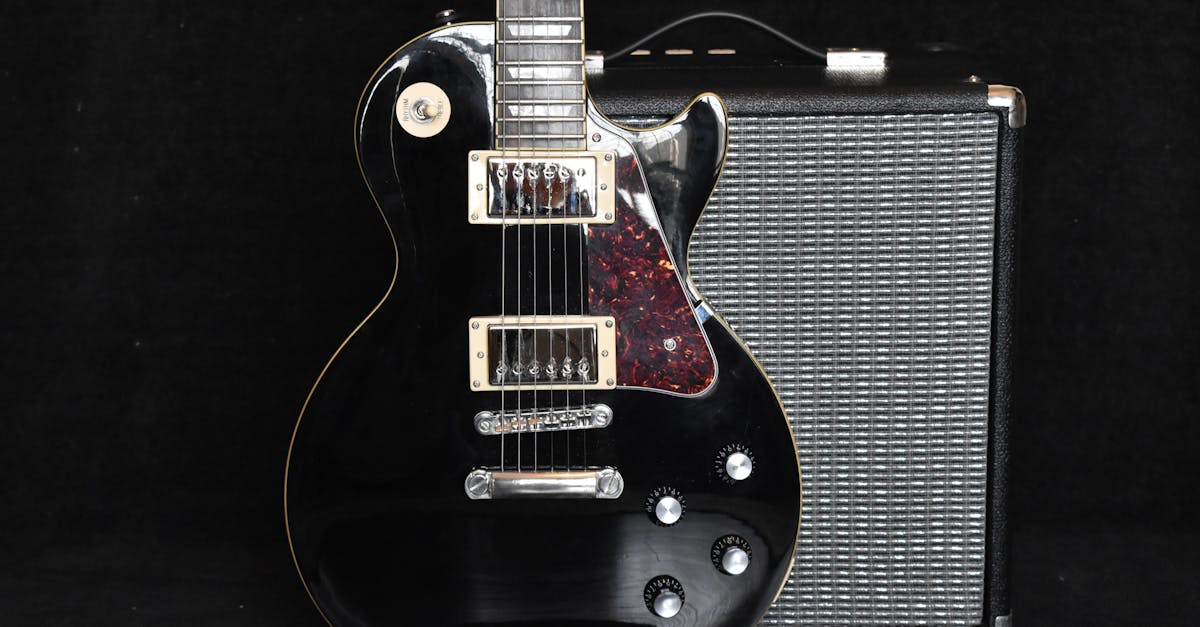
Whether you’re strumming an acoustic or shredding on an electric, cutaway designs are a common feature. This indentation on the upper bout of the guitar—where the body meets the neck—serves a crucial purpose: enhancing fret access. Most solid-body electric guitars incorporate either a single or double cutaway design. This variation makes it easier for players to reach higher notes, a necessity for lead guitarists.
Interestingly, some unique body shapes, such as the “Flying V,” don’t include traditional cutaways. However, their design inherently allows for easy access to upper frets.
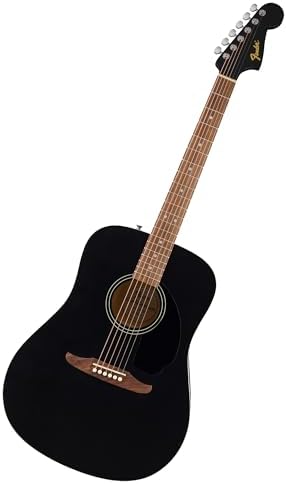
Acoustic guitars also commonly come with a single cutaway, mainly intended for players who focus on lead playing. As for the designs, cutaways can be classified into two main categories: the Venetian and the Florentine. The Venetian cutaway boasts a rounded edge, while the Florentine features a sharper point, each offering its own aesthetic appeal.
This post contains affiliate links. If you make a purchase through my links, I may receive a small commission at no additional cost to you. I only recommend products I truly believe in.
The Evolution of the Cutaway Shape
The history of cutaway guitars dates back to the mid-20th century; however, the roots can be traced even further. Early electric guitars adhered to the classic Spanish body shape, devoid of cutaways. It is debated who was the pioneer behind the cutaway design. Some attribute it to Orville Gibson, known for his innovative work with mandolins.
In the 1930s, Django Reinhardt popularized the squared cutaway with his Selmer acoustic guitars, which became widely favored among jazz musicians. The cutaway design truly gained traction with major manufacturers like Gibson, especially as solid-body guitars emerged in the 1950s. One notable example of a solid-body guitar without cutaways is “The Log,” an early guitar created by Les Paul.
Throughout the years, iconic models like the Fender Telecaster and Gibson Les Paul set industry trends, leading to the introduction of innovative designs such as the Fender Stratocaster, which features unique uneven cutaways. As time passed, even acoustic guitars began adopting the cutaway shape, solidifying its place in the guitar world.
Popular Guitar Styles Featuring Cutaway Shapes
When discussing cutaway guitars, several renowned body shapes come to mind. Models like the Les Paul, Telecaster, Stratocaster, and SG are some of the most well-known cutaway designs and serve as the blueprints for many other manufacturers.
Some unusual shapes, such as the Flying V, may not feature conventional cutaways yet still offer accessibility to higher frets. Other legendary models, like the Gibson Explorer and Firebird, often fall into double-cutaway categories but are complex to define due to their unique designs.

In the late 20th century, the rise of “Super-Strat” guitars saw advancements in design and features, enhancing the playability of instruments like the Ibanez Prestige RG5120M, which has become a favorite for metal guitarists.
Advantages of Cutaway Designs
The primary advantage of a cutaway guitar is that it significantly enhances access to the higher frets. The closer you are to the end of the fretboard, the easier it becomes to reach those coveted notes. Double-cutaway designs provide even easier access, making them a go-to choice for electric guitarists who often navigate the upper frets.
On the acoustic side, many guitar players benefit from a single cutaway on the treble side, allowing for optimal performance when reaching higher notes. While standard acoustic body shapes often lack cutaways, the emergence of models with single cutaways meets the performance needs of lead guitarists.
Disadvantages of Cutaway Shapes
While there are many benefits to opting for a cutaway guitar, certain drawbacks do exist. Altering the traditional shape can lead to tonal shifts, particularly in hollow-body electric guitars and acoustic models. In essence, removing a section of the resonant chamber may alter the instrument’s sonic output.
Nevertheless, advancements in guitar design have minimized these concerns, even in affordable models. Nowadays, many cutaway guitars, regardless of price range, consistently deliver impressive sound quality.
Every player has their preference; while some may favor full-bodied guitars for a richer tone, this is largely a matter of individual taste rather than an inherent flaw of the cutaway design.
Who Should Consider a Cutaway Guitar?
Cutaway guitars excel in higher fret access, making them especially beneficial for lead guitarists. However, choosing between a cutaway and a traditional model ultimately depends on your style and the genre you play.
For solid-body electric guitars, a cutaway is virtually standard, ensuring that higher frets remain accessible. Interestingly, hollow-body guitars may replicate acoustic designs with or without cutaways, emphasizing that the choice often lies in genre specificity.
While acoustic guitars without cutaways might be preferred by some, the practicality and ease of play offered by cutaways make them appealing for those who frequently venture into higher fret territory.
Related Questions
Does a Cutaway Impact Guitar Sound?
In the case of solid-body electric guitars, the presence of a cutaway has little to no impact on tonal quality. Unlike hollow-body guitars, which rely on resonance, electric guitars produce sound differently, ensuring that the cutaway doesn’t change the overall tone.
For hollow-body or acoustic instruments, sound chamber modifications can potentially affect their output. Thus, it’s essential to explore different options to find a model that fits your sonic needs.
What Is a Double-Cutaway?
A double-cutaway design consists of two indentations—one on the treble side and another on the bass side—allowing for easier navigation of the fretboard. This design is common in electric guitars, whereas double-cutaway acoustic options remain rare.
What Is a Venetian Cutaway?
The Venetian cutaway is characterized by a softer and rounder appearance, while a Florentine cutaway is sharper and pointier. These terms stem from design conventions popularized by Gibson during the early 20th century. These distinctions are largely aesthetic and do not affect the guitar’s functionality.
Why Do Guitars Have “Horns”?
The “horns” on a guitar refer to the cutaway sections, facilitating easier access to higher frets. Whether it features one or two cutaways, this design element enhances playability and comfort.
Different guitar styles, ranging from electric models to hollow-body guitars, can possess varying cutaway designs, each tailored to suit specific musical needs.
Final Thoughts on Cutaway Guitars
Cutaway guitars have firmly established themselves in the music world, and their popularity is only growing. With the undeniable ease of access to higher frets, combined with advances in construction that minimize any tonal downsides, it’s no wonder musicians are drawn to them.
Whether you’re an aspiring lead guitarist or a seasoned pro, considering a cutaway model could elevate your playing experience. Exploring the wide array of designs available will help you find the perfect instrument that meets your unique needs and preferences. After all, a cutaway guitar not only offers practicality—it also adds a stylish flair to your musical journey. So, why not take the leap and find a cutaway guitar that resonates with you?