Choosing Between Bass Guitar and Electric Guitar: Which One is Right for You?
Deciding on an instrument to play is a pivotal moment for any aspiring musician. Many beginners naturally gravitate toward the electric guitar, leaving the bass guitar in the shadows. But is the electric guitar truly the superior option? This article dives deep into why the electric guitar is often favored, while also highlighting some compelling reasons to consider the bass guitar. Ultimately, both instruments offer unique benefits, so your choice will depend on your personal style and musical aspirations. Let’s explore the details to help you make an informed decision.
Understanding the Instruments
Before we compare the two, let’s delve into what each instrument brings to the table, their histories, and their characteristics.
What Is an Electric Guitar?
Electric guitars have revolutionized music since their inception. In the early 20th century, musicians struggled to make their acoustic guitars heard against louder instruments in orchestras. The introduction of resonator guitars provided a temporary remedy, but it was the development of the electric guitar that truly changed the landscape.
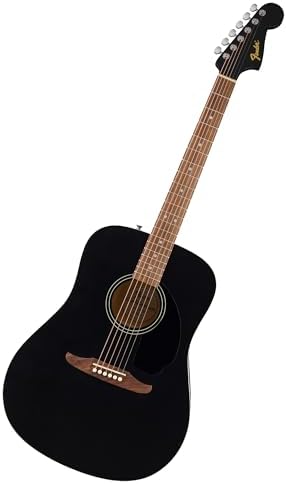
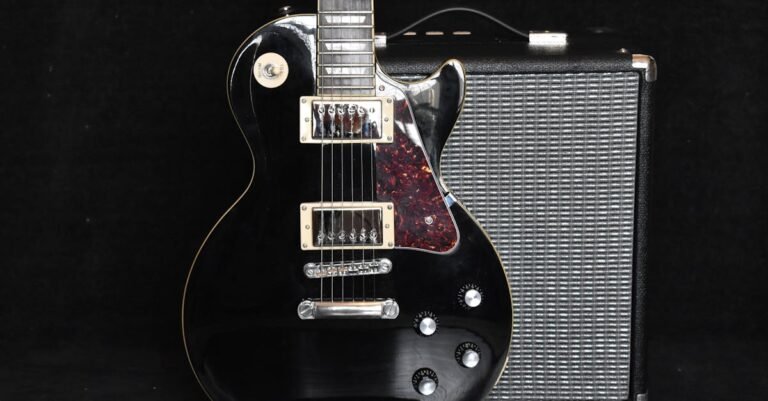
The electric guitar typically features a solid or hollow body with six strings. Central to its function are magnetic pickups, devices that detect string vibrations and convert them into electric signals, sending these signals to amplifiers for enhanced sound. Most electric guitars have passive electronics, relying on an external amplifier to produce sound. However, some models equipped with active electronics utilize a battery, allowing for a higher output and more dynamic sound.
In modern times, electric guitars have diversified significantly, leading to instruments with seven, eight, or more strings, opening the door to a broader range of musical possibilities.
What Is a Bass Guitar?
The bass guitar offers a unique sonic experience, emerging as a solution to the limitations of traditional double basses. Initially developed in the 1930s, the bass guitar features four strings tuned to E-A-D-G, mirroring the tuning of its acoustic predecessor while introducing the convenience of a fretted, solid-body design.
The bass guitar, as we know it today, saw great advancements in the 1950s thanks to innovators like Leo Fender and George Fullerton. They introduced the Fender Precision Bass, also known as the P-Bass, which quickly became a staple in many musical genres. While traditionally sporting passive electronics, you can also find active models, equipped with additional features for enhanced sound manipulation.
Bass guitars have undergone various transformations, including the creation of five-string models and fretless versions, each offering different tonal possibilities. Today’s market also features a mix of acoustic and electric bass guitars, broadening the options for musicians.
Differences Between Electric Guitar and Bass Guitar
The primary distinction between these two instruments lies in their roles within music. The bass guitar primarily serves as part of the rhythm section, providing the harmonic backbone of a piece. In contrast, the electric guitar plays a dual role, capable of taking on both lead and backing responsibilities.
Typically, the bass guitar operates one octave lower than a standard electric guitar, offering a deep, rich sound. Extended-range guitars may blur these lines, but the fundamental qualities and tuning remain distinct. While bass guitars often focus on single-note lines, electric guitars can produce a wider array of sounds, including chords, making them more versatile in many musical contexts.
Similarities Between Electric Bass and Guitar
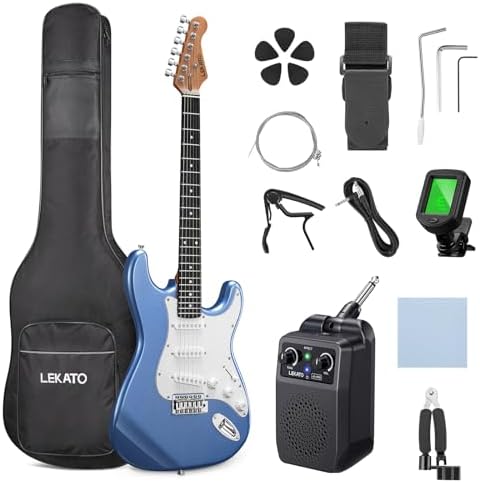
Despite their differences, electric guitars and bass guitars share a lot in common. Both are stringed instruments that often feature solid-body designs and employ pickups to amplify sound. They can be played with a pick or through various techniques of fingerpicking, and both instruments can incorporate effects to alter their tone.
Remarkably, both the guitar and bass are transposing instruments, meaning the written notation is one octave above the actual pitch. This keeps music notation practical and accessible for musicians.
Advantages of the Electric Guitar
Electric guitars are celebrated for their versatility. They can function as both lead and supporting instruments, making them ideal for various genres, especially rock and metal. The electric guitar’s ability to carry melodies and solos makes it a popular choice among musicians looking to capture attention on stage.
Additionally, electric guitars come with a plethora of effects pedals and tone-shaping options, allowing artists to create a personalized sound that aligns with their unique musical identity. This adaptability contributes to the electric guitar’s popularity among beginners and seasoned musicians alike.
Advantages of the Bass Guitar
Although the bass guitar may not be as widely celebrated, it plays a crucial role in any musical ensemble. As the harmonic foundation of a band, it provides groove and rhythm, anchoring the high-energy elements of music.
Bassists often create compelling grooves and intricate rhythms, reinforcing the importance of their role in a band. Despite common misconceptions, an exceptional bass player can elevate a band’s sound significantly, proving that the bass guitar deserves recognition and appreciation.
Who Should Play Electric Guitar?
If your passion lies in genres like rock, pop, or metal and you aspire to play lead solos or melodies, the electric guitar might be your ideal choice. Its diverse range of applications allows you to explore various performance styles, making it an attractive option for many musicians.
The electric guitar is also perfect for those who enjoy experimentation. With numerous effects and sound-enhancing tools at your disposal, you can create unique tones that reflect your artistic vision. For aspiring songwriters or performers who like to sing while playing, the electric guitar’s versatility is unmatched.
This post contains affiliate links. If you make a purchase through my links, I may receive a small commission at no additional cost to you. I only recommend products I truly believe in.
Who Should Play Bass Guitar?
Although bass guitars tend to be less popular among beginners, they hold a special place in many musical genres. If you are drawn to supporting roles and creating grooves, the bass guitar is for you. This instrument resonates with those who appreciate the nuances of rhythm and harmony.
The bass guitar can also be easier for beginners to learn initially, allowing you to play basic lines and follow chord progressions. However, as you advance, you’ll find a wealth of techniques and styles to master, deepening your understanding of music theory and composition.
Final Thoughts: Bass vs. Guitar
Both the bass guitar and electric guitar have unique advantages that can shape your musical journey. While the electric guitar is often favored for its versatility and lead capabilities, the bass guitar is the unsung hero of rhythm and groove.
Ultimately, your choice depends on your personal preferences, aspirations, and the style of music you wish to explore. Whether you choose the vibrant tones of the electric guitar or the rich depths of the bass guitar, both instruments can lead to fulfilling musical experiences. The journey is what makes music so rewarding, so trust your instincts and enjoy the diverse world of stringed instruments.