
Understanding the Parts of an Electric Guitar: A Beginner’s Guide
Learning to play the electric guitar can be a daunting task, especially if you’re unfamiliar with its components. Picture yourself following an online tutorial on how to hold or tune your guitar. Without knowing which part the instructor is referring to, it could become a frustrating experience. To truly thrive as an electric guitarist, grasping the fundamentals is essential, beginning with the parts of your instrument and their functions.
This post contains affiliate links. If you make a purchase through my links, I may receive a small commission at no additional cost to you. I only recommend products I truly believe in.
The Fundamentals of Electric Guitar Parts
Every electric guitar, whether it’s a baritone or a bass, includes specific integral parts. This guide will delve into these components in detail, shedding light on their placements, materials, and roles in producing that iconic sound. For illustration, we will refer to the ESP LTD Eclipse EC-256, a model celebrated among metal guitarists and hailing from the esteemed Japanese brand, ESP. As we explore various components, keep in mind that some parts evolve based on different playing styles, such as bridges or pickups.
The Electric Guitar Body
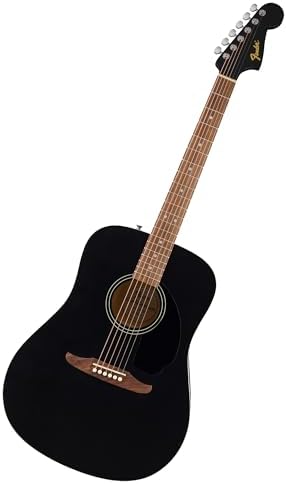
At first glance, the body of the electric guitar captures attention. It’s the larger, curved section that rests against your body while you play. This part supports the strings and serves as a mounting point for various electronic components, including the bridge, output jack, pickups, selection switch, and vibrato arm. The guitar’s body can be designed in solid, semi-hollow, or hollow forms.
While solid bodies are most frequently found in electric guitars, semi-hollow varieties contain a solid wood core, minimizing feedback issues during performance. On the other hand, fully hollow bodied guitars can profoundly resonate sound but may struggle with distortion due to susceptibility to feedback.
The Bridge
The bridge acts as the anchor for the guitar strings and is typically located on the lower bout of the guitar’s body. In addition to securing the strings, the bridge works alongside moving parts called saddles, which help set the intonation. Electric guitars can feature four primary types of bridges, and adjusting the saddle’s position ensures that tuning remains accurate along the fretboard. You might need to raise the strings to prevent buzzing if that ever occurs while playing.
The Fretboard
Positioned on the neck’s upper side, the fretboard, also known as the fingerboard, is integral to playing. It houses the frets and markers that guide your fingers. To create music, you press the guitar strings against various points along the fretboard, affecting the sounds and chords produced. Typically crafted from wood, the fretboard is essential for every guitarist aspiring to master the instrument.
The Frets
Frets are the raised metallic strips that run across the fretboard. They increase the pitch of notes by shortening the vibrating string length as you press down on them while playing. Electric guitars vary in the number of frets they include, giving musicians a diverse array of possibilities when it comes to creating sound.
Inlays
Often referred to as fret markers, inlays serve as visual guides on the fretboard. The most common shape is a simple dot, helping you find the correct fret easily. For beginners, these markers are invaluable until you become more familiar with the notes and chords.
The Guitar Head
Located at the top end of the neck, the guitar head holds the tuners in place and plays a role in determining the tuning arrangements. Its shape and size may vary based on the guitar model but is crucial for the overall playability and vibration of the neck.
The Neck

The neck is a long, slender piece of wood that connects the body to the head and is the second-largest component of the guitar. It contains a truss rod designed to adjust the neck’s curvature, influencing how high the strings are above the frets. This adjustment is essential for creating an optimal playing experience.
The Nut
Typically made from plastic or bone, the nut is a small component with slots for each string. Properly cut and positioned, the nut affects both the guitar’s sound and playability. If the slots are not the right depth, it can lead to muted notes or buzzing sounds. The nut’s distance from the bridge helps determine the guitar’s scale length, which influences note accuracy.
The Output Jack
Essential for amplifying sound, the output jack serves as the connection point for an instrument cable. By plugging into an amplifier or device, you can enhance the guitar’s sound for live performances or recordings.
The Pickguard
Pickguards are protective barriers attached to the guitar’s body to prevent scratches and damage. On some models, such as the Fender Stratocaster, pickguards are also used to mount electronic components, adding additional functionality to their protective role.
The Pickups
The pickups are crucial elements that convert the strings’ vibrations into electric signals. These signals travel to the output jack and then to an amplifier. With several types of pickups available, each creates a unique tonal quality, enabling you to customize your sound. If you ever experience buzzing with new pickups, ensure they are grounded properly.
The Pickup Selector
This handy feature allows you to choose which pickups are active, thereby altering the guitar’s sound. Understanding the differences between bridge and neck pickups can provide additional insight into how to manipulate your tone effectively.
Strap Buttons
As the name implies, strap buttons securely attach your guitar strap, providing support to avoid dropping your instrument while playing. Professional musicians often recommend locking strap buttons to ensure the strap remains intact during intense performances.
Strings
Typically consisting of six strings, electric guitars can come in various configurations. The strings differ in thickness and are made from magnetic metals like steel, nickel, or chromium. Regularly changing your strings is important for maintaining sound quality.
String Retainers
Not all electric guitars have string retainers, which are more commonly found on models like the Fender Stratocaster. These components help keep the strings in place and maintain tension, significantly aiding playability.
Tuners
Located on the guitar head, tuners allow you to adjust string tension, thereby achieving the correct pitch. The layout of the tuners can vary based on the guitar’s design, but they are an essential element for maintaining accurate intonation.
The Tremolo Bar (Whammy Bar)
Commonly called the whammy bar, the tremolo bar allows for pitch modulation of the strings, enabling you to add vibrato effects to your notes. This feature greatly enhances your expression possibilities when playing.
Truss Rod Adjustment
The truss rod can be found in various locations depending on the guitar’s brand and style. It plays a vital role in counteracting string tension and allows you to adjust the neck’s curve, ensuring your guitar is always ready for optimal playability.
Volume and Tone Controls
As straightforward as their names suggest, volume and tone controls manage your guitar’s output. The volume knob adjusts the loudness while the tone knob alters the treble, providing you with customization options for your sound.
Final Thoughts on Electric Guitar Parts
Understanding the individual components of your electric guitar and how they collaborate to create sound is essential for any budding musician. This knowledge will not only help you communicate effectively with instructors but also deepen your relationship with your instrument. The more familiar you are with your guitar’s anatomy, the more enjoyable and rewarding your playing experience will become.
Armed with this foundational knowledge, you may be eager to explore the next question on your journey: how do electric guitars work? Investigating this topic will reveal how all the aforementioned parts come together to create the captivating sounds we treasure in music.