
Troubleshooting Electric Guitar Buzzing: Causes and Solutions
Few things are more disheartening for a musician than bringing home a shiny new electric guitar, excited to jam out, only to be met with an irritating buzzing sound. You grasp the strings, yet the noise persists, threatening to ruin your experience. If you find yourself grappling with this frustrating issue, rest assured that you’re not alone. Electric guitar buzzing—even when you’re not touching the strings—can happen for a variety of reasons, but diagnosing and remedying the problem is usually a straightforward process. Let’s delve into what could be causing that unwanted buzz and how you can fix it.
This post contains affiliate links. If you make a purchase through my links, I may receive a small commission at no additional cost to you. I only recommend products I truly believe in.
Common Causes of Electric Guitar Buzz
While the allure of electric guitars draws in millions of new players each year, achieving that perfect sound often involves troubleshooting a few kinks along the way. Let’s explore common causes for buzzing and how you can effectively tackle them.
Grounding Issues
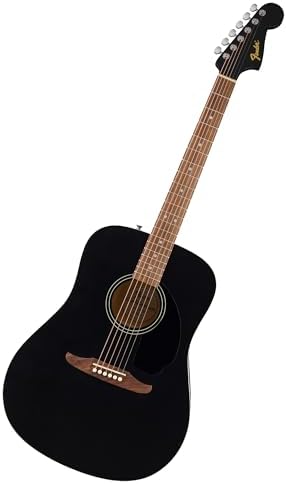
One of the most frequent culprits behind guitar buzzing is poor grounding. Like any electrical device, if your guitar has grounding issues, it can create unwanted noise. A simple test can reveal whether this is the source of your frustration: touch the strings. If the buzzing diminishes or disappears completely, grounding is the likely cause.
But grounding problems aren’t limited to just the strings; they can also involve various metal components like pickups, screws, and even the guitar’s body. For many guitars, especially budget-friendly models, this issue can arise due to less-than-ideal manufacturing processes.
To diagnose the problem:
- Disconnect your guitar from any power source.
- Open the electronics cavity, usually found at the back of the guitar.
- Look for a black wire connected to various components. Check the solder joints for any loose connections or breaks.
Should the wire appear damaged or disconnected, you may find helpful wiring schemes online to guide you in the repair process. For models like the Les Paul, it’s worth noting that the grounding wire might connect under the tailpiece, complicating DIY fixes. If in doubt, consult a professional to ensure your instrument is safely repaired.
Amplifier or Electrical Outlet Issues
Sometimes, the buzzing may not stem from the guitar itself but from the amplifier or the electrical outlet it’s connected to. If your amplifier produces a hum without any connections or buzzes intensively when you plug in your guitar, it’s time to investigate further.
To troubleshoot:
- Test your guitar and amp in various locations and with different outlets.
- If using an amp that operates on batteries, try it out in that mode to see if the buzzing persists.
If the noise disappears when switching to a different outlet or to battery power, your original outlet may require attention from an electrician. Faulty outlets can affect multiple devices in your home, so addressing this issue is crucial.
Single-Coil Pickups

Electric guitars equipped with single-coil pickups can be particularly susceptible to interference, acting almost like antennas. In the past, this wasn’t as significant an issue, but in our tech-heavy world, electromagnetic noise is ever-present.
If your guitar buzzes predominantly when using single-coil pickups—though you touch the strings and it doesn’t cease—this is a standard characteristic. Switching to higher-quality, noiseless single-coil pickups may mitigate this problem somewhat. However, if you prefer the distinct sound of single coils, consider investing in a noise suppression pedal.
Buzzing While Playing
While the above issues can cause buzzing when the guitar is idle, other factors may lead to buzzing during play. Understanding these issues is key to maintaining a smooth performance.
Shielding Problems
When you touch the strings and notice an increase in noise, you may face a shielding issue. Inadequately shielded electronics can amplify ambient noise, especially if your guitar has multiple cavities.
To remedy this:
- Employ copper tape around the electronics cavity.
- If there are multiple cavities, ensure tape is applied to all areas.
- Check the wires; if the problem persists, a replacement might be necessary.
Mains Hum
Another common irritant is mains hum, frequently linked to single-coil pickups. This low-frequency buzz can typically be heard even as you play. There are solutions available, such as upgrading to higher-quality, shielded pickups specifically designed to reduce such noise.
Distinguishing Between Buzz and Hum
It’s essential to differentiate between string buzz and electromagnetic hum. If you’re experiencing buzz when the strings come too close to the frets, this is often due to poor string height adjustment or a worn-out nut. Adjustments can typically be made to the bridge or nut for a more customized setup.
Frequently Asked Questions About Guitar Buzzing
Let’s clarify a few common concerns musicians have regarding guitar buzzing.
Why Does My Guitar Stop Buzzing When I Touch It?
This phenomenon usually signifies a grounding problem. It’s critical to explore where the issue lies—whether in the guitar, amplifier, or outlet connected to your gear.
Can Guitar Cables Cause Buzz?
Absolutely—cables can sometimes create buzzing sounds if internal connections are faulty. If you hear cracking noises or experience signal loss, you might require a new cable or repair for your existing one.
Why Does My Amp Buzz When I Plug in My Guitar?
Buzzing from your amplifier typically points to grounding issues within the guitar or poor shielding. Additionally, if using single-coil pickups, they may naturally contribute to the buzzing sound, particularly if they are lower-quality.
How Do I Fix a Ground Loop?
Ground loop issues often relate to a loose or detached grounding wire inside your guitar. If that’s not the issue, it could lie within your amp or outlet. Consider using a high-quality power supply or even a line isolation transformer to alleviate the buzz.
Do Cables Affect Guitar Tone?
Yes, guitar cables can influence tone quality. However, this impact is usually minimal unless multiple cables are present in your setup, amplifying that effect.
What About a Buzzing Bass Guitar?
Similar issues can affect bass guitars. If you’re encountering buzzing with your bass, refer to our guide on bass guitar fret buzz for solutions tailored to that instrument.
Conclusion
In summary, while your electric guitar buzzing issue can be a source of frustration, diagnosing it doesn’t have to be. By scrutinizing grounding, your amp, and pickup types, you can often pinpoint the cause and implement simple fixes. If you’ve gone through this guide and still find yourself stuck, don’t hesitate to seek out a professional repair service. They can ensure your instrument sounds as great as it should. Your musical journey deserves nothing less!