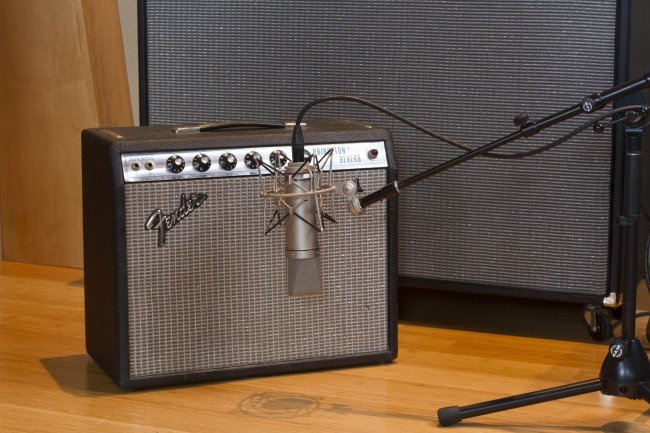
Miking a guitar amplifier is an art that can significantly influence the sound you deliver during a live performance. The slight adjustments in the microphone’s position and angle relative to the amplifier’s speaker cone can alter your tone dramatically. While there are alternatives to miking an amp, such as direct connections to a mixer or using modelers, we’ll focus on miking since it’s often the best way to capture that authentic guitar sound in a live setting. Once you get the hang of it, the process becomes second nature. This guide will equip you with all necessary information to mic your guitar amp effectively.
Understanding the Process of Miking a Guitar Amp for Live Sound
Key Materials to Gather
Before diving into the miking process, let’s compile a list of the gear you’ll need:
- Guitar Amplifier: You can choose between a combo amp or a head with a separate speaker cabinet.
- Microphone(s): One dynamic or condenser microphone is essential, but having multiple mics can enhance your tone.
- Microphone Stands: Compact or specialized stands work best for easily fitting in front of your amp.
- Microphone Cables: Ensure you have good-quality cables to connect your microphones to the mixing board.
Step 1: Assess Your Venue
Each performance venue comes with its unique challenges. Understanding your stage setup is crucial for positioning your amp optimally. Consider the noise levels from surrounding instruments, especially drums. The ideal setup is to place your amp far from the drummer while ensuring they can hear your sound adequately.
Additionally, think about space on stage. Some venues might have limited room for your mic stands and equipment. Take the time to determine where you can comfortably set up everything without interference during the performance.
Step 2: Familiarize Yourself with Your Amp and Desired Tone
Every guitar amplifier delivers its unique tonal characteristics, and tube amps, in particular, can fluctuate in tone as they warm up. Knowing your amp’s sound profile helps in achieving the desired tone.
In addition to understanding your amp, you should have a clear vision of the specific sound you’re aiming for. This encompasses adjusting the EQ settings as well as mic placement, both of which play a major role in the final output through the PA system. Remember, if you plan to use a bass guitar, it’s important to employ a dedicated bass amp to prevent potential damage to the speakers.
Step 3: Setting Up Microphones and Stands
When it comes to setting up your microphones, you want them close enough to the amp to capture the tone accurately but far enough to avoid interference with your performance. Specialized microphone stands designed for guitar amps or small boom stands that can fit snugly in front of your speaker work well.
If space is tight, consider using a traditional mic stand positioned behind the amp, tilting the microphone towards the speaker. Some mics can be duct-taped to the speaker grill for a hands-free approach, but be cautious as this may affect the mic’s angle and tone.
Step 4: Proper Placement of Microphones in Front of the Amp’s Speaker
The placement of your microphone(s) is a pivotal step that will determine the quality of sound projected to the audience. This is where the distance and angle of the microphone become vital in capturing the right tone.
Traditionally, the microphone is aimed directly at the speaker cone. This setup affords the most authentic representation of your amp’s sound. However, you must also consider where along the speaker cone the mic is aimed. Generally:
- Close to the center of the cone produces bright high-end tones.
- A position slightly away from the center accentuates mid-range frequencies.
- At the edge of the cone yields a more subdued, bass-heavy sound.
If you’re using two microphones, you can place them strategically to capture a fuller tone, which is especially beneficial for solo guitarists. For dynamic mics, such as the popular Sennheiser e945, positioning them approximately one to three inches from the speaker cabinet strikes a good balance between clarity and presence.
Conversely, if you choose to use a condenser microphone, ensure it has a cardioid pattern and keep it appropriately close for the best results. Dynamic and condenser mics can be combined to create a richer sound, maximizing your amplifier’s potential.
Step 5: Collaborate with Sound Engineers and Fine-tune Your Tone
Navigating the communication with the sound engineer can be critical in optimizing your sound. While there may be jokes about guitarists not heeding the engineer’s advice, it’s essential to remain open to their suggestions.
During the setup, avoid drastically altering your amp settings. Instead, let the engineer evaluate your clean and distorted tones and adjust output levels as needed. If you feel your sound isn’t loud enough, politely ask the engineer to assist by boosting your stage monitoring volume or by moving closer to your amp.
Keep in mind that the sound you perceive on stage will differ greatly from what the audience experiences, so trust the engineer’s expertise to balance the sound correctly.
Exploring Alternatives
If miking doesn’t appeal to you, modern technology offers various alternatives. Some guitar amplifiers now come with direct emulated speaker outputs. While this may not capture the full essence of your amp’s character, it can still produce a satisfying sound with a simplified setup.
Another increasingly popular method is to use amp modeling devices or guitar preamps that plug directly into the mixing board. These tools can emulate different cabinet types and mic placements, presenting a versatile option for performances.
For studio recordings, consider going direct into your PC, which allows for instantaneous sound manipulation without the hassle of microphones.
Conclusion: The Impact of Miking Techniques on Live Sound
The technique you use to mic your guitar amp can lead to significant variations in sound quality. Even the most high-end amplifiers may falter if the microphones are placed poorly. Therefore, dedicating time to understand and refine your miking process is essential.
After mastering microphone placements, you can replicate this configuration consistently for future performances. While it’s easier if you frequently play at the same venue, adapting to new spaces will become an engaging challenge that you’ll grow to master over time.