When I first picked up an electric guitar and paired it with a small practice amplifier, I felt a rush of excitement. My mind was racing with thoughts of jamming out to some of Adam Jones’s iconic riffs. But when I plugged in, I was met with a harsh reality: my guitar didn’t quite capture the sound I envisioned. No matter how much I fiddled with the settings on both my guitar and amp, I just couldn’t achieve that signature metal tone. Frustrated, I realized that I needed more than just my guitar and amp; I needed to understand the right equipment and techniques. Fortunately, the guitar I had was well-suited for metal music. If you’re in a similar situation, keep reading to fast-track your journey to achieving that coveted metal sound.
How To Make An Electric Guitar Sound Metal
To achieve a true metal sound on your electric guitar, you must consider various factors. Your tone is influenced by your gear, settings, and playing technique. While personal preferences vary, common elements for a metal sound typically include higher gain levels and emphasized midrange frequencies. It’s not solely about adjusting your amp or distortion pedal; the right setup and technique are crucial. Given the diverse range of metal subgenres—each with its unique tone variations—it’s essential to explore all facets of the sound you’re aiming for.
Gear
Choosing the Right Guitar Pickups
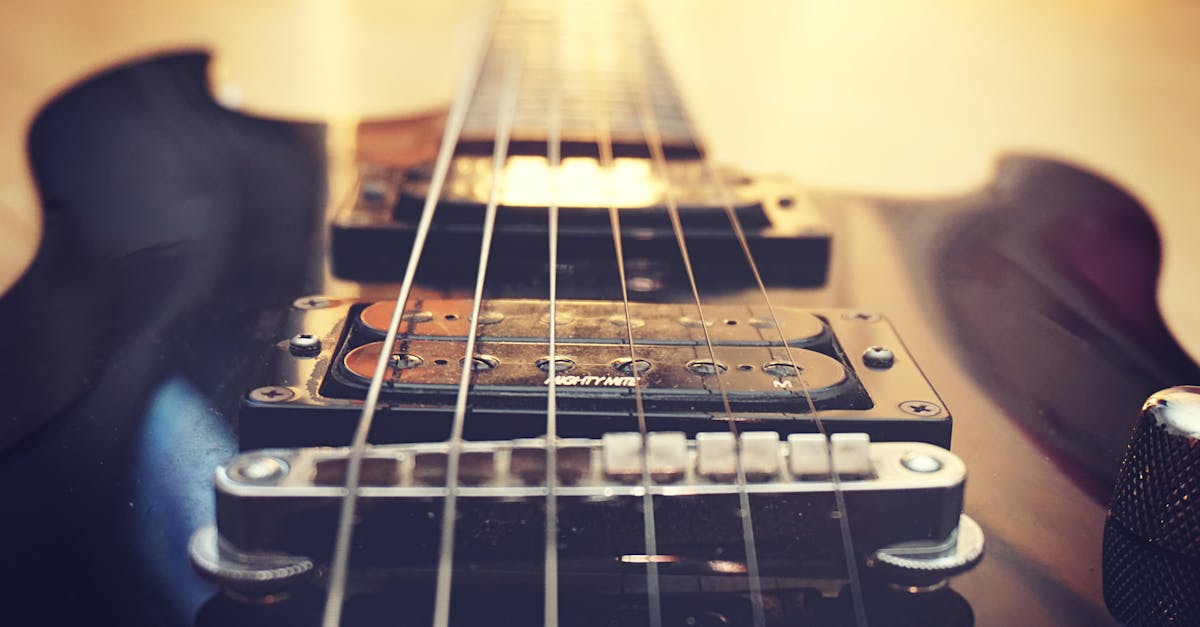
If you’re aiming for that striking metal tone, guitars equipped with humbucker pickups are generally the best choice. For optimal results, choose high-output humbuckers, including those with active electronics. While high-output pickups are ideal for metal, medium-output models can also work well, especially for classic metal styles. The significance of your pickups on your overall tone cannot be overstated. For a deeper understanding of how electric guitars function and how pickups affect sound, you can explore additional resources.
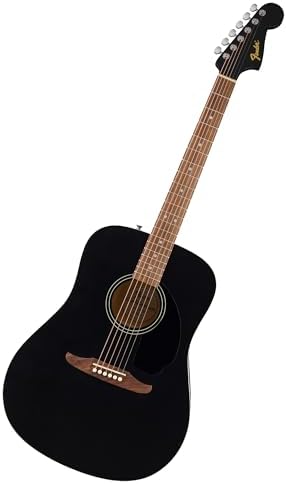
Additionally, it’s wise to avoid hollow-body guitars for metal, as they can lead to feedback issues. For solid-body amps, many budget-friendly options come with decent digital processing capabilities, which can be beneficial for achieving a metallic sound. While vintage-style amplifiers like the Roland Jazz Chorus may not cut it for metal, modern amps with digital modeling are fantastic alternatives.
Also, don’t overlook the importance of distortion pedals. For tube-driven amplifiers, a straightforward overdrive pedal can significantly enhance the organic distortion of your sound by boosting it subtly. Many metal guitarists employ this strategy, regardless of their specific subgenre preferences. Having a delay or reverb pedal can also add depth to your tone. While different effects are fun to play with, remember that your primary focus should be on achieving a solid fundamental tone.
Setting It Up
Adjusting Your EQ Settings
Getting the right sound from your gear often begins with how you set it up. One common mistake is cutting too much of the midrange frequencies. Ideally, you should keep mids above 40%, and preferably closer to 50% or more. This frequency range is crucial for giving your sound that aggressive punch, ensuring you stand out in a mix. However, if you’re playing in a style that requires a scooped tone, consider having another guitarist complement your sound with stronger mid frequencies.
If your amp has a parametric EQ, take advantage of it. Adjust the mid-frequency settings until you find the peak that works for your desired tone. Avoid cranking the bass too high; excessive bass can create a muddy sound, especially in a band setting where a bassist is present. Another frequent error among beginners is setting the gain too high, leading to a “fuzzy” or “muddy” sound. Instead, aim to keep the gain below 70%, or even around 50% for some amplifiers.
Remember, for tube-driven amps, increasing volume can add an organic distortion character. Generally, you need to set the volume above 40% to unleash the full potential of the amp. Unlike tube amps, solid-state amps might not change tone significantly with volume adjustments, although some can replicate those effects with digital processing.
If you have extra controls like presence or resonance, they can help you carve out your sound. A presence control generally aids in cutting through a mix; setting it above 60% tends to work for most tones. If you prefer a darker sound, like in doom metal, lowering the presence below 50% may be necessary.
Similar rules apply to distortion pedals. Increasing gain and output on these will also influence how your tube amp distorts. For pedals with a simple tone knob, keeping it over 50% can yield great results. Ultimately, the addition of effects and pedals relies largely on personal preference, but be cautious with heavy modulation effects applied to high-gain settings.
Playing Technique Matters

The final piece of the puzzle lies in your playing technique. Experimenting with various pick angles can make a significant difference. Utilizing palm muting effectively can add that signature “chugging” sound essential for metal. Moreover, technical precision is vital—tightness in your playing can dramatically enhance your tone. If you’re a lead player, mastering bending techniques is vital; hitting the right pitch takes practice and time.
How Do I Make My Electric Guitar Sound Like Rock?
To achieve a rock sound, focus on your gear and settings. Typically, you should maintain moderate gain settings, utilize gentler distortion, and elevate midrange frequencies for a well-rounded tone. This combination will help you capture the essence of rock music without straying into metal territory.
How Do I Make My Electric Guitar Sound Like Death Metal?
For death metal, the tone is distinct and often requires “scooped” mids for that classic old-school sound. On the other hand, modern death metal may call for the opposite approach. High-gain settings paired with specialized pedals or amps are also strongly recommended. Humbucker pickups are essential for achieving the best sound in this genre.
How Do I Make My Electric Guitar Sound Grunge?
Creating a grunge sound generally necessitates mid to high-gain settings, often best achieved with traditional tube amplifiers. Employ standard distortion pedals and consider curbing some of the high-end frequencies for a rawer sound that embodies grunge.
How Do I Make My Electric Guitar Scream?
To obtain the “screaming” sound on your guitar, high-gain settings are essential, coupled with substantial sustain and controlled feedback. Techniques like bending higher strings and executing careful vibrato while muting other strings can create that signature effect.
How Do I Make My Electric Guitar Sound Crunchy?
A “crunchy” tone is characterized by a moderate amount of gain combined with pronounced mids and highs, best produced through tube-driven amplifiers. This combination will give your sound that edgy quality perfect for various rock and metal contexts.
How To Make Your Guitar Sound Metal: Final Thoughts
Achieving a metal sound on your guitar hinges on several factors, with the most critical being the type of guitar and pickups you use. Guitars equipped with humbuckers—especially high-output ones—are key. Additionally, the amplifier and pedals you choose play a pivotal role in shaping your tone. The specific settings depend largely on your personal tastes, so don’t hesitate to experiment.
Consider practicing popular guitar riffs to hone your skills further. If you’re trying to replicate a particular guitarist’s sound, researching their equipment and setup can provide valuable insights. With dedication and the right approach, you can achieve that glorious metal tone you’ve been dreaming of.