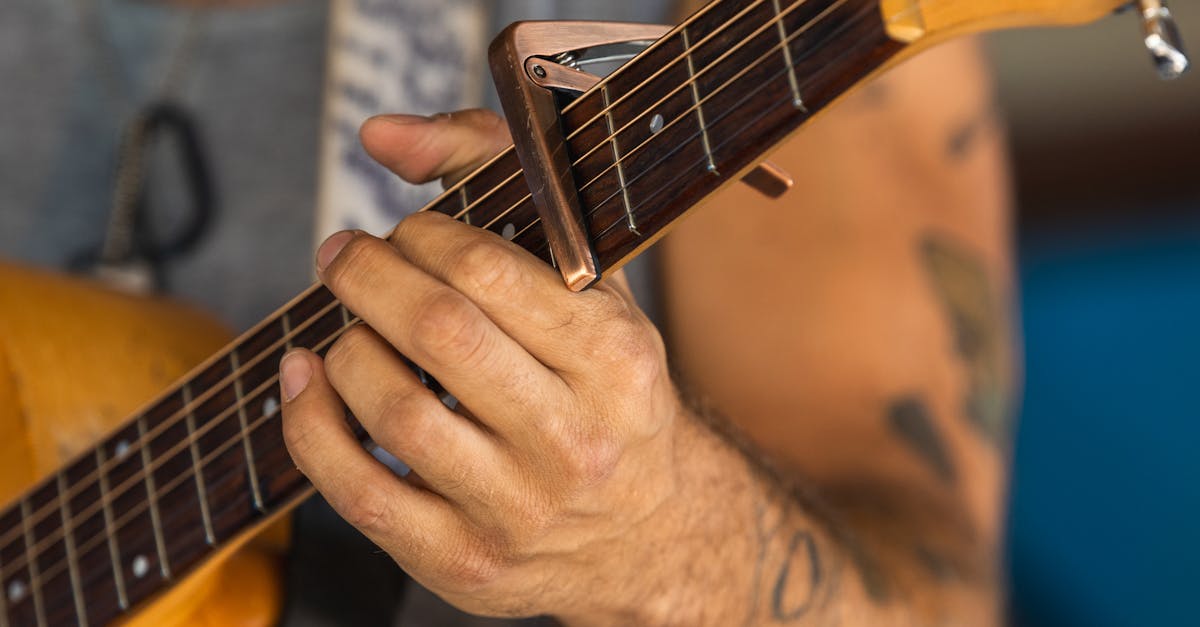
Mastering the Guitar Capo: A Comprehensive Guide
Using a guitar capo may seem straightforward, but there are several common pitfalls to be mindful of. In this guide, we will explore not just the mechanics of how to use a capo effectively but also the crucial elements of when and why to utilize it. There are instances when a capo can be incredibly beneficial, as well as times when its use might not be advisable. So, read on to discover everything you need to know about guitar capos, including practical tips and insights.
Table of Contents
- How to Use a Guitar Capo
1.1 The Proper Technique for Affixing a Capo
1.2 Common Mistakes to Avoid with a Capo
1.3 The Best Times to Use a Capo
1.4 Situations to Refrain from Using a Capo - Final Thoughts on Using a Guitar Capo
How to Use a Guitar Capo
Getting started with a guitar capo is simple. To use one, start by pressing the handle to open the clamp. Next, evenly position the capo on the fret you want to raise, then release the handle to secure it in place. This tool is popular among gigging musicians who frequently switch tunings during a performance. By using a capo, you can effectively change the key of your current tuning without needing multiple guitars. However, understanding the “when” and “why” is just as vital as mastering the “how.”
While the capo can be a valuable asset, it won’t transform your chords into a perfect sound instantly or magically correct your tuning. Its effectiveness depends on proper usage. Both beginners and seasoned players utilize capos for their versatility. I can share from my experience that I was initially resistant to using one, having already developed workarounds. However, once I saw many others embracing it, I realized how much simpler it could make my playing experience.
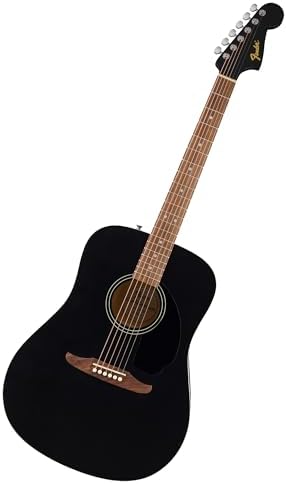
It’s worth noting that some musicians place a capo improperly, which can lead to detuning issues. Additionally, some players may rely on a capo as a shortcut for more complex chords instead of improving their skills. In the sections that follow, I’ll delve deeper into the nuances of using a guitar capo effectively, as well as when and why it should be used.
This post contains affiliate links. If you make a purchase through my links, I may receive a small commission at no additional cost to you. I only recommend products I truly believe in.
The Proper Technique for Affixing a Capo
The way you use a guitar capo mainly depends on the type you own. Both electric and acoustic guitars can accommodate capos. Generally, you use the handle to unlock the capo and place it on the selected fret so that all six strings are covered. Clip-on capos are often the easiest to work with, especially if you’re familiar with using clip-on accessories like tuners.
Some capos require manual adjustment, such as tapping or unscrewing before locking them into position. These variations often provide better tuning stability but serve the same primary function. Regardless of the type, you should only need to secure it in place on the fretboard. Once affixed, the capo applies pressure evenly across all strings, effectively raising the key by the number of semitones between the chosen fret and the open strings.
Proper positioning is crucial. One of the most significant mistakes is attaching the capo incorrectly. It should only cover one fret, completely avoiding contact with any other frets. While it can be adjusted slightly after being secured, do not force it to shift while clamped. Instead, unlock it and reposition it properly to avoid causing any damage.
Common Mistakes to Avoid with a Capo
When it comes to placing a guitar capo, it’s essential to ensure it remains within the boundaries of a single fret. Even though it doesn’t have to be parallel to the adjacent fret bars, it should not touch any strings from neighboring frets. If adjustments are needed, always unlock the capo first; forcing it can lead to issues with the neck or frets.
Modern capos may offer unique features that allow you to determine how many strings will be affected, but remember that their primary purpose remains unchanged. If you’re not careful, you might find yourself unintentionally limiting your playing capabilities.
The Best Times to Use a Capo

One of the most significant advantages of using a capo is the convenience it provides when changing keys. Instead of tuning each string individually—a process that can be tedious—simply clipping a capo onto the fretboard saves time and keeps your audience engaged. Gigging musicians will appreciate how it prevents delays between songs and maintains a more seamless performance.
Capos are particularly useful for navigating intricate chords. They allow guitarists to explore unique voicings or retain flexibility, especially when faced with challenging chords that would typically require a barre technique. Think of a capo as a helper—a useful finger spanning a fret—enabling you to choose different finger positions that might otherwise be difficult to execute.
Situations to Refrain from Using a Capo
While capos can be great tools, they come with limitations. When you place a capo on your guitar, it raises the pitch, effectively locking you out of lower notes unless removed. For example, if the capo is positioned on the second fret, you may find it challenging to play certain chord voicings such as Dm7, Bmaj7, or E7.
Tuning down and then using a capo might also lead to confusion. If you tune your guitar down two steps and then put a capo on the second fret, you negate the benefits because it may shift you back to the original position.
Additionally, avoid using a capo as a shortcut for complex chords. While they can simplify some aspects of playing, relying on them too often might hinder your growth as a guitarist. It’s worthwhile to invest time in mastering those challenging chord shapes, as it pays off in the long run.
Final Thoughts on Using a Guitar Capo
Using a guitar capo is straightforward, provided you focus on correct positioning and understand your reasons for using one. Utilizing a capo for quickly changing keys or exploring complex chords is wise, but be careful not to depend on it solely for simplifying difficult strumming patterns.
Capos can be helpful, but they should complement your skill set rather than serve as a crutch. Take on the challenge of learning those more complex chord voicings. Embrace the empowerment that comes from mastering fundamental techniques, as this will deepen your musical understanding and boost your confidence down the road.
In conclusion, whether you’re a beginner or a seasoned player, understanding how to effectively use a guitar capo can elevate your playing. With the right mindset and a focus on skill-building, you’ll not only enhance your own playing capabilities but also broaden your musical horizons. Happy strumming!