
When you first grasp your new guitar, an exhilarating wave of excitement washes over you. You envision daily practice transforming you into a player capable of effortlessly tackling even the most challenging songs within weeks. Yet, as time passes, reality hits. Weeks roll by, and you find yourself unable to strum even the simplest rock riffs. The realization dawns: mastering any instrument, including the guitar, demands patience and perseverance.
So, how long does it really take to learn guitar? The answer is nuanced. There’s no universally applicable timeline—it varies from person to person. Individual learning speeds, personal goals, and practice habits all play significant roles in this journey. Below, we’ll break down expected timelines for different levels of proficiency and share tips on practicing effectively.
How Long Does It Take To Become Proficient at Guitar?
While learning curves differ widely among individuals, we can offer a framework for what to expect regarding various skill development stages for guitar players. This overview draws from guidance provided by credible sources in the guitar community.
Stages of Learning Guitar
The Initial 1 to 3 Months
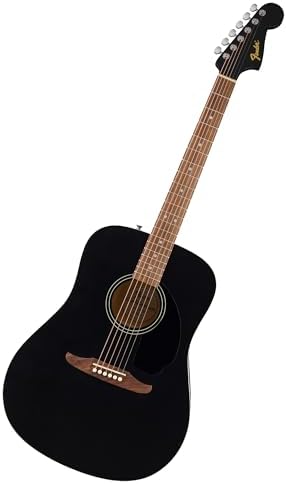
The first few months of your guitar journey are foundational and incredibly important. During this time, you’ll not only learn how to hold the instrument but also set personal goals and identify learning objectives. Most beginners will start by mastering basic open chords such as A, Am, Cmaj7, E, Em, Dsus2, and G. Whether or not you have smaller hands, rest assured that you can learn to play the guitar.
For those with smaller hands, specific modifications and techniques can enhance your learning experience.
The Next 3 to 6 Months
As you progress into the next three months, your skills should expand significantly. You should be able to play additional open chords like C, D, and E, which are essential for many popular songs. By the conclusion of this period, you should be well-equipped to venture beyond the few songs you mastered earlier.
The Following 6 to 18 Months
By this stage, you may not yet be dazzling audiences with intricate solos, but you should feel noticeably more comfortable with your guitar. You will likely be familiar with several complex open chords, including Bb, Dm, and F. This is also an excellent time to start delving into lead guitar concepts and scales, broadening your musical horizon.
The Journey Beyond 2 Years
After two years of dedicated practice, many learners tackle barre chords—chords that require you to press multiple strings down with one finger across a fret. Mastering barre chords is a significant milestone in your guitar journey. While the total number of guitar chords exceeds 2000, you will find that you don’t need to learn every single one.
Determining Practice Intensity
As you embark on this musical journey, figuring out the right intensity and duration for your practice sessions can be tricky. It’s essential to find what works best for you, but many experienced musicians recommend aiming for one and a half to two hours of focused practice each day.
Why You Should Aim for at Least 1.5 Hours
Spending a minimum of 90 minutes allows adequate time for warming up and achieving progress in your playing. It’s crucial to dedicate at least an hour to focus on specific skills, whether that’s strumming open strings, mastering chords, or anything else. If you practice for shorter periods, new techniques may not stick as effectively in your memory.
Why You Should Avoid Exceeding 2 Hours

Conversely, practicing for extended hours can lead to fatigue and feelings of overwhelm, which may diminish your enjoyment of playing. It’s vital to maintain a positive practice environment. If you find yourself feeling frustrated or tired, it’s perfectly okay to take a break. Prioritize consistency and steady skill development over prolonged sessions that may result in diminishing returns.
Navigating Physical Strain While Learning Guitar
As you dive deeper into learning guitar, you’ll likely experience some physical challenges due to extended practice sessions. Here’s what you should be aware of:
Chafing, Peeling, and Blisters
When you first begin playing, it’s common to deal with some mild skin irritation on your fingertips due to constant contact with the strings. This can result in peeling or chafing, especially if your skin is still relatively soft. Fortunately, this temporary discomfort will eventually lead to the formation of calluses.
Developing Finger Calluses
Finger calluses form as a protective response to the initial irritation. Once you build up these calluses, playing the guitar will become less painful. Many guitarists view calluses as a rite of passage on their musical journey.
Sore Muscles and Repetitive Strain
It’s not unusual to experience soreness in muscles that are not typically engaged in your daily activities. As these muscles grow accustomed to playing, they’ll develop strength, allowing you to play for longer periods without discomfort. However, even seasoned guitarists can experience soreness from time to time, particularly if they overexert themselves or adopt poor posture while playing.
Effective Practice Strategies
Learning to play guitar can be challenging, but certain strategies can simplify the process. Here are three effective methods to enhance your learning experience:
Speeding Up Callus Formation
If fingertip discomfort is hindering your practice, there are strategies you can employ to expedite callus development:
- Start your practice with a steel-string guitar, which can help toughen your fingers more quickly.
- Use thick-gauge strings that create more friction against your fingers and promote callus formation.
- Practice in short, frequent sessions to prevent breaking open the skin on your fingertips.
- If not contraindicated, consider using rubbing alcohol on your fingertips to accelerate the drying and hardening process.
Smart Practice Over Hard Practice
You’ve likely heard the phrase “work smarter, not harder.” This principle applies significantly to learning guitar. Merely going through the motions ineffectively isn’t enough. Focused, deliberate practice yields better results than mindless repetition.
Research has shown that the quality of your practice time often outweighs the quantity. It’s essential to concentrate on practicing correctly, addressing errors as they arise, rather than reinforcing bad habits.
Embracing Mistakes
One of the most critical lessons in music is about embracing mistakes. Top performers don’t avoid errors; instead, they address them promptly and view them as opportunities for growth. It’s essential to learn how to correct mistakes early to prevent them from becoming ingrained habits. Remember, persistence is vital—don’t let setbacks discourage you from achieving your goals.
Final Thoughts on Learning Guitar
So, how long will it take to learn guitar? The timeline largely depends on individual circumstances, especially your definition of “learning” the instrument. If your aspiration is to attain virtuoso status, it may take years of dedicated practice. However, if you’re content strumming some favorite tunes at local gatherings, the journey could be much quicker.
Ultimately, the duration is influenced by your practice routine, commitment level, and personal learning capabilities. Regardless of your aspirations, remember that consistent practice is indispensable. Even the most advanced guitars will yield mediocre results if not wielded by a practiced hand.
So, let your excitement lead the way, enjoy the learning process, and keep strumming!