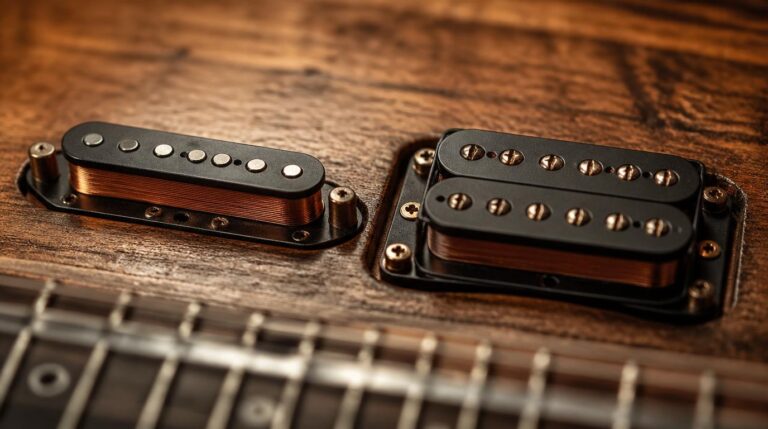
Understanding Coil Tapping and Coil Splitting: A Comprehensive Guide
Coil tapping and coil splitting are often mistaken for one another, leading many to think they serve the same purpose. However, while they share some similarities, they are fundamentally distinct techniques. In this article, we will explore both coil tapping and coil splitting in detail, breaking down the definitions, functions, and advantages of each. You’ll gain a clearer understanding of how these methods differ and discover which one suits your needs.
Table of Contents
- Coil Tapping vs. Coil Splitting
- Deep Dive: Coil Tapping
- Exploring Coil Splitting
- Key Differences Between Coil Tapping and Coil Splitting
- Similarities Between Both Techniques
- Advantages of Coil Tapping
- Benefits of Coil Splitting
- When to Use Coil Tapping
- When to Use Coil Splitting
- Conclusion
Coil Tapping vs. Coil Splitting
To truly understand coil tapping and coil splitting, let’s dissect each technique before comparing them side by side. This approach will clarify their unique advantages and highlight where they can be put to practical use.
Deep Dive: Coil Tapping
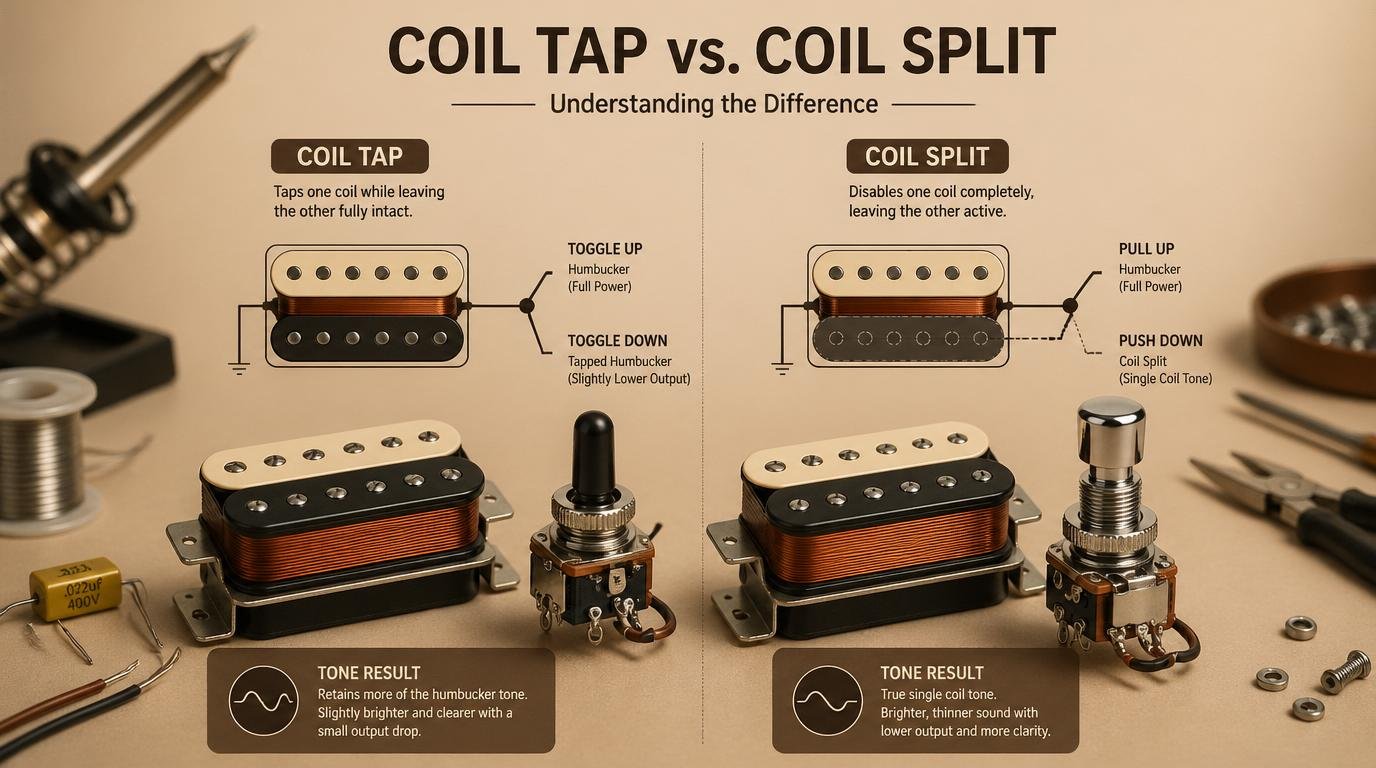
Coil tapping is commonly found in transformers, reactors, and certain guitar pickups. This technique involves a special wiring feature that allows musicians or engineers to connect, disconnect, or change the position from which the signal is harvested.

When we talk about coil tapping in the context of guitar pickups, it’s important to note that this is primarily associated with single-coil pickups. The coil tap function reduces the number of windings around the pickup, resulting in a cleaner, brighter tone characterized by enhanced clarity.
By activating the coil tap, the guitarist effectively ignores the excess winding between the connected ends, leading to a lowered output. Consequently, you may notice when flipping the selector switch on a single-coil guitar that one mode produces a more muffled sound. However, quality instruments with superior pickups often experience an increase in tonal brightness and crispness, albeit at a somewhat quieter volume.
Exploring Coil Splitting
On the other hand, coil splitting involves “cutting” or deactivating one of the coils in a dual-coil pickup. If your guitar is equipped with a humbucking pickup, switching to coil split mode is typically achieved by flipping a potentiometer.
Humbuckers consist of two single coils, which means that by disabling one, you obtain a single-coil output. This change often leads to a brighter tone, as coil splitting emphasizes high frequencies while diminishing bass. In certain musical styles, particularly when combined with acoustic instruments, this tonal shift can enhance the overall sound of a song.
However, in more distorted settings, this emphasis on higher frequencies might not always be desirable. Using coil splitting lets musicians navigate between these tonal extremes seamlessly.
This post contains affiliate links. If you make a purchase through my links, I may receive a small commission at no additional cost to you. I only recommend products I truly believe in.
Key Differences Between Coil Tapping and Coil Splitting
When looking at coil tapping versus coil splitting, the differences become apparent:
- Type of Pickup: Coil tapping is utilized primarily with single-coil pickups, while coil splitting is exclusive to humbucker or dual-coil pickups.
- Tonal Impact: Coil tapping aims to create layers of gain and distortion, allowing for a sharper, brighter tone. In contrast, coil splitting tends to bring more clarity while smoothing the overall sound.
- Functionality: With coil tapping, you typically have two settings—regular and tapped. Conversely, coil splitting offers more flexibility, enabling you to cycle through individual coils or use both together.
While both methods can partially emulate one another, the distinct mechanics set them apart.
Similarities Between Both Techniques
Despite their differences, coil tapping and coil splitting share some common ground. Both techniques require the musician to manually activate a particular mode with a switch. Moreover, while the results may be different, both methods modify the pickup’s output, delivering a new tonal dimension that persists until another setting is chosen.
Advantages of Coil Tapping
Coil tapping presents several advantages that can enrich your musical experience:
- Tailored Output: The ability to switch between modes allows you to prioritize tone quality over volume. This feature sharpens the focus of your sound, resulting in a clearer tone.
- Natural Distortion: By lowering the output signal, coil tapping creates extra headroom. This phenomenon allows you to crank your amp to achieve natural feedback or distortion without overwhelming loudness.
- Enhanced Performance for Budget Instruments: Coil tapping can elevate the tone quality of more affordable guitars, helping them achieve a vintage sound quality—albeit depending on the quality of the pickups.
Benefits of Coil Splitting
Coil splitting also brings its own set of advantages:
- Versatile Tone Options: The ability to switch instantly between single and dual coils means you won’t need multiple guitars for various sound settings. Coil splitting facilitates a smooth transition from clean to gritty tones within a single instrument.
- Customizable Sound: Unlike coil tapping, where you are limited to one coil, coil splitting allows more flexibility, enabling you to choose which coil to include or exclude.
When to Use Coil Tapping
Coil tapping is best suited for guitars featuring single-coil pickups. If you’re looking to maximize your instrument’s tonal quality, coil tapping is an excellent way to enhance brightness and clarity.
It’s especially effective in studio settings where background noise is less of a concern. The extra crispness attributed to coil tapping can contribute positively to various recording scenarios. However, be mindful of your volume to ensure you don’t get drowned out by other instruments.
When to Use Coil Splitting
If your guitar is equipped with humbuckers, you would be remiss not to explore the possibilities of coil splitting. This technique enables you to experience the tonal range of your pickups without compromising sound quality.
For rock and metal players, coil splitting allows the seamless transition between beefy tones and lighter, more defined sounds—an effective solution when different musical settings call for a shift in dynamics.
Conclusion
In summary, though coil tapping and coil splitting may appear similar at first, they are fundamentally different techniques applicable to various types of guitar pickups. Coil tapping is exclusive to single-coil pickups and is aimed at achieving a brighter tone, while coil splitting allows for a flexible range of tones in humbucking pickups.
Armed with this knowledge, you can better determine which technique aligns with your musical needs and goals. If you have any questions or need further clarification, feel free to ask!