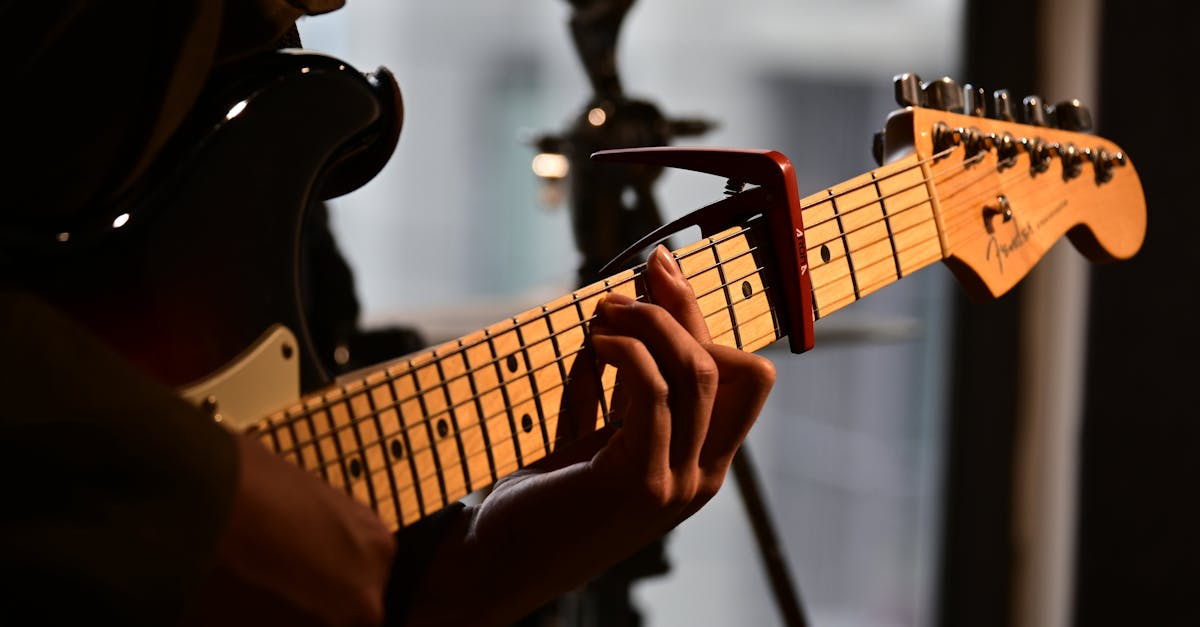
You’ve likely encountered a capo being used in various musical settings, whether it was during a street performance or at a live concert. One of the most iconic instances of capo usage is Don Felder utilizing it on the seventh fret while performing “Hotel California.” Although capos are commonly associated with acoustic guitars, they can also be used on electric guitars. You might wonder, however, do players often incorporate it on electric guitars, and if so, does it truly make sense? This article will delve into everything you need to know about using a capo on an electric guitar.
Can You Use A Capo On An Electric Guitar?
While capos are predominantly utilized on acoustic and classical guitars, they can indeed be applied to electric guitars too. Despite the limited frequency of capo usage on electric guitars compared to acoustics, employing one can inspire creative musical ideas. Let’s unpack the fundamentals of capos, their functionality on electric guitars, and why they are less common in this context.
What Is A Capo?
The term “capo” is derived from the phrase “capo tasto,” which translates to “head stop” in Italian. This handy accessory serves the purpose of mimicking the index finger in a barre chord, allowing the player to change the pitch of open strings without needing to adjust finger placement on the neck of the guitar. However, the capo’s versatility has certain limitations compared to barre chords, as it locks in a specific pitch throughout a piece rather than allowing for fluid movement.
The Capo On Electric Guitar
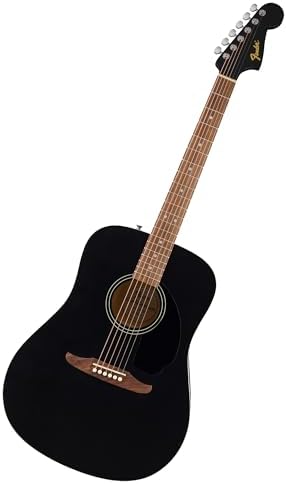
The primary reason capos are seldom seen on electric guitars is that electric instruments typically offer greater tonal options. Barre chords, commonly associated with acoustic guitars, are more challenging to execute on them, making the capo advantageous in those instances. In contrast, electric guitars feature a narrower neck, allowing musicians to perform barre chords with ease.
Moreover, electric guitars are often employed for solos, allowing players to access higher frets without much difficulty thanks to the instrument’s longer neck. This means artists can achieve more complex sounds on electric guitars without relying on a capo. Nonetheless, capos can serve an essential purpose for both beginner and experienced guitarists. For novices, capos can simplify finger placements and expand musical creativity, while seasoned players can leverage them to explore new tones or enhance their sound further with effects from electric amplifiers.
The Capo On Acoustic And Classical Guitars
When it comes to acoustic and classical guitars, players need to incorporate a broader array of notes to create a complete sound. In these cases, using a capo can elevate the tonal quality and offer a refined auditory experience. It can also aid in navigating complex keys or challenging tonalities involving various sharps and flats.
How To Use A Capo On A Guitar
Have you ever felt frustrated trying to navigate a song’s complex tonality? That’s where the capo comes in handy. With this tool, you can effortlessly shift difficult songs into more manageable territories. Open chords, which rely on the natural tones produced by unfretted strings, offer a simpler pathway to harmony. By applying a capo, you can convert intricate compositions into more accessible versions while retaining the song’s original key.
Using a capo is straightforward. To begin, simply open the capo and carefully place it on your desired fret, ensuring it applies even pressure across all strings. Once in place, clamp it shut. While there’s more to using a capo effectively, this is the fundamental approach to getting started. If you want further insights, check out our detailed guide on utilizing a gitar capo.
Different Capo Positions To Choose
Let’s consider the key of F Sharp, where barre chords typically prevail. This can be quite taxing on your fingers. By placing a capo on the second fret, you can simplify the challenge dramatically. You can play an F sharp or a B major chord using just three fingers, akin to playing open chords.
Moving the capo to the fourth fret allows you to use D major shapes to produce an F sharp sound, while positioning it on the sixth fret lets you tap into C major chords for the same key. One common choice is to use a capo on the third fret to play in B flat, utilizing the chords from G major. A popular example of this technique is found in the well-known song “A Thousand Years” from the Twilight Saga, which features a capo on the third fret.
Types Of Capos
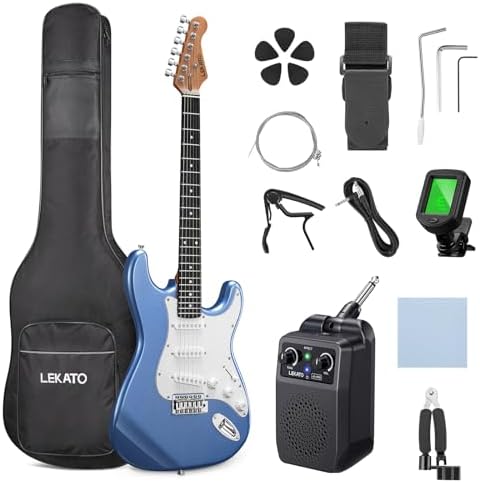
Different capos cater to various styles and preferences, but the most popular types include:
Strap Capo
This type is adjustable and portable, though they tend to be less comfortable for precise string pressure and placement. While they provide convenience, they may not hold the strings down as firmly as others.
Clip (Trigger) Capo
This capo is user-friendly and quick to attach, which is a significant advantage for on-the-fly adjustments during practice or performance. However, their bulkier design can be a drawback for some players.
Adjustable Screw Capo
This is often favored by guitarists for its versatility. You can adjust the pressure exerted on the strings, providing an optimal balance between functionality and convenience. It is also typically smaller in size, enhancing its ease of use.
Examples Of Popular Songs With Capo
One quintessential example of capo use in popular music is Oasis’s hit “Wonderwall.” The song is in the key of F Sharp minor, and Noel Gallagher places a capo on the second fret, allowing him to perform it as if it were in E minor. This technique produces the song’s distinctive acoustic sound while effectively shortening the scale by just two frets.
Another example is the iconic intro to the Eagles’ “Hotel California,” played in B minor with the capo on the seventh fret. This distinctive placement produces that classic flared sound associated with the song, significantly altering the guitar’s resonance.
Can You Use A Capo On An Electric Guitar: Final Thoughts
In conclusion, using a capo on an electric guitar is entirely feasible, though less common than with acoustic or classical guitars. The reason for this discrepancy lies in the relative ease of playing complex chords on electric guitars, thanks to their thinner necks. Thus, musicians often find less necessity for a capo in this context.
However, using a capo can provide an opportunity to simplify your playing experience and explore unique tonal qualities. As illustrated with songs like “Wonderwall” and “Hotel California,” employing a capo can help you achieve a distinctive sound, whether or not it’s essential for the execution of chords. So next time you pick up your electric guitar, consider giving a capo a try; you might just uncover some fresh sounds and musical ideas that inspire your next song.