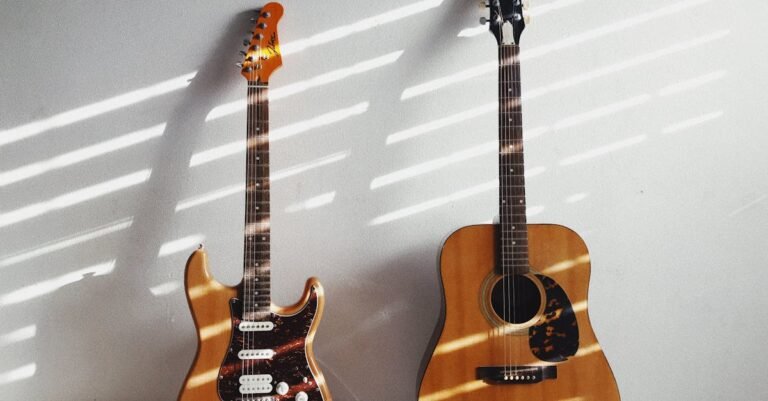
I have short, slightly chunky fingers, and throughout my journey with the guitar, I’ve often wondered if my hand size was a barrier. My fingers feel too short to tackle barre chords comfortably and too thick to easily navigate the fretboard. However, after much practice and determination, I discovered that playing guitar with smaller hands is entirely possible—not just for me, but for many guitar legends like Angus Young, Prince, Nancy Wilson, and Paul Simon. They’ve achieved great success despite their unique hand shapes, and if they can do it, so can you. Here, I’ll share some valuable tips to help you master the guitar, even with small hands.
Can You Play Guitar With Small Hands?
Absolutely, you can play guitar with small hands. While hand size can impact your playing experience, it’s not the end of the world. There are numerous strategies and gear choices that can make it easier to play guitar, even if your fingers don’t reach every note with ease. One of the most critical factors is selecting the right guitar.
When choosing a guitar, opt for one with a neck that’s comfortable for you to hold, allowing you to reach all the necessary notes without straining. Beyond neck size, other factors like the body shape and string gauge can significantly influence your overall comfort and playability. Remember, challenges aren’t exclusive to those with small hands. Even larger hands can find certain aspects of guitar playing difficult. The key is to focus on the solutions rather than the limitations.
Tips for Playing Guitar With Small Hands
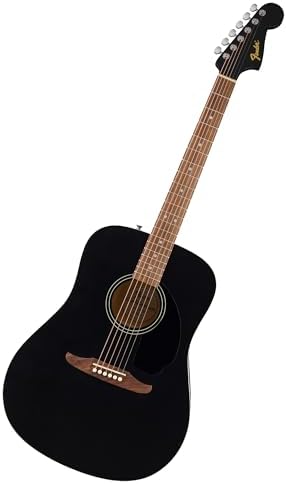
For beginners, navigating the world of guitars can be overwhelming, leading some to purchase instruments based solely on appearance or price. It’s crucial to research and understand how guitar specifications affect playability, especially when you have smaller hands. Below are some practical tips to help you get started.
Choose the Right Type of Guitar
Guitars are available in various sizes and shapes, particularly in the acoustic category. For example, there’s a significant difference between a full-sized dreadnought and a smaller travel guitar. If you’re new to guitar, selecting a less bulky acoustic model can make a world of difference.
Electric guitars, on the other hand, are often evaluated by scale length. A shorter scale length can assist in making the instrument more accessible for small-handed players. If you’re looking for recommendations, many guitar retailers have guides specifically for players with smaller hands, showcasing options that are easier to handle.
Lower Your Guitar’s Action
High action can be a frustrating hurdle for all players, regardless of finger size. This setup issue is common in budget guitars and older instruments. Lowering the action can enhance your playing experience and make it more enjoyable.
To adjust the action, check if your guitar is equipped with a truss rod. This rod is typically located at the headstock above the nut. Using a socket wrench or a similar tool, you can make slight adjustments to lower the action. If your guitar lacks a truss rod, examine the saddle for “action screws.” Turning these screws clockwise with an Allen key can effectively reduce the action as well.
Switch to Light-Gauge Strings
The type of strings you use can heavily influence your playing, especially if you’re facing difficulties with heavy strings. If your fingers are struggling to press down on thicker strings, consider switching to lighter gauge options, which are easier on the fingers.
Guitar strings are measured by gauge, and even small variations in thickness can impact your ability to fret notes. Thinner strings often require less pressure to play, making them a better option for those with smaller hands. However, it’s essential to find a balance, as extremely light strings may sound sharp or lead to discomfort. Popular brands like Ernie Ball or D’Addario offer a range of options, so be sure to experiment until you find the perfect fit for your style.
Use a Capo
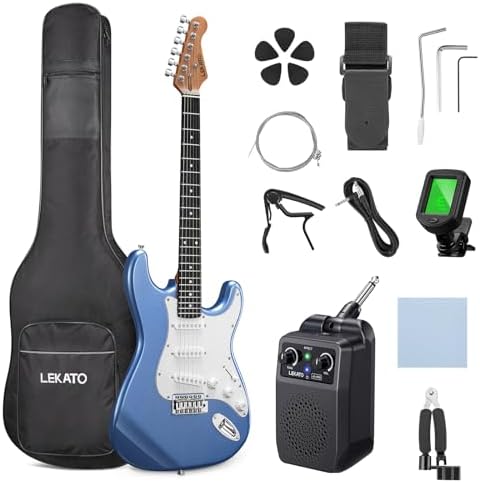
A capo, often seen as a beginner’s tool, is a versatile accessory that can greatly assist players of any level. By placing a capo on your guitar, you effectively change the pitch of the strings, which can make many chords and riffs much more accessible.
For players with smaller fingers, using a capo can ease the strain of playing barre chords by allowing you to press down on fewer strings. If you’re having trouble with complex finger positions at lower frets, try placing your capo on the fourth or fifth fret and playing in that position. This adjustment can simplify your fingering and help you hit the right notes more comfortably.
Experiment with Dropped Tunings
Dropped tunings can be particularly beneficial for those with smaller hands, as they allow you to play power chords and other fuller sounds without relying on difficult finger placements. In drop tuning, the lowest string is tuned down a full step, providing a slightly different tonal quality.
For example, in Drop D tuning, your low E string drops down to D while the others remain standard. This setup allows players to leverage their index finger for barre shapes, simplifying the chord structures needed for different play styles. If you find standard tuning challenging, exploring alternate tunings could yield favorable results.
Final Thoughts on Playing Guitar with Short Fingers
In conclusion, yes, you can absolutely play guitar with small hands and short fingers. It may be more challenging than for those with larger hands, but it’s certainly achievable with the right strategies and mindset. By selecting the appropriate guitar, adjusting the action, using lighter strings, incorporating a capo, and experimenting with different tunings, you can find a setup that works for you.
Remember that many legendary guitarists faced similar obstacles and thrived regardless of their hand size. Use their stories as inspiration during your journey. With perseverance, creativity, and practice, you too can become an exceptional guitarist, proving that talent truly transcends physical limitations. Now, pick up that guitar and start making music—your fingers will thank you for it!