
I vividly recall the excitement of purchasing my first electric guitar online, only to encounter a hiccup shortly after. I found a more affordable amplifier from a different store, leading to the unfortunate delay of two weeks when the amp didn’t arrive on time. During that frustration, I found myself strumming my electric guitar like it was an acoustic. However, as you might know, that just doesn’t provide the rich sound we crave from an electric instrument.
Curiosity got the better of me as I searched for alternative methods to enjoy my electric guitar without the presence of an amplifier. Much to my surprise, I discovered numerous options, some of which offer distinct advantages over traditional amplifiers. Let’s explore these alternatives so you can figure out what might work best for you.
Can You Play an Electric Guitar Without an Amp?
Playing an electric guitar without an amplifier is entirely feasible. While you can strum it without any devices, the sound will be faint, making it suitable for practice in private settings. There are various other ways to amplify your sound, and each option presents unique benefits. Let’s dive into these alternatives to amplify your electric guitar experience.
Playing Electric Guitars Without Amplification
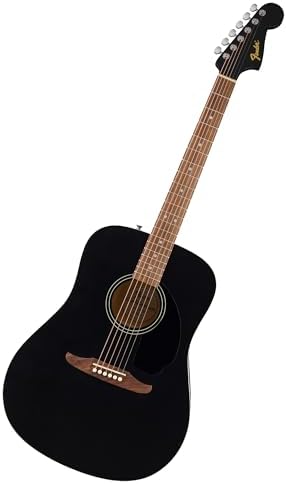
The simplest method of playing an electric guitar without an amplifier involves not connecting it to anything at all. The question then arises: can you play an electric guitar like an acoustic? The answer is yes, but most electric guitars are solid-bodied, which makes their sound almost inaudible to both the player and anyone nearby. This often leads beginners to wonder why their electric guitar seems to sound like an acoustic.
In specific scenarios, solid-body guitars feature chambering or weight relief chambers that enhance resonance. However, for the most part, these guitars remain quite mute. This approach is typically only practical for home practice, and even then it may be challenging to perceive the nuances that come through the pickups.
The experience can differ for semi-hollow and hollow-body guitars, which have resonating chambers akin to acoustic guitars. Classic hollow-body guitars function similarly, producing a more pronounced sound without needing amplification.
Connecting to a Computer
Connecting your guitar to your computer offers another straightforward option for sound amplification. However, a few technical considerations come into play. Each computer possesses an integrated sound card—also known as an audio interface. Most laptops lack dedicated inputs, thereby necessitating an external audio interface for your guitar connection.
In contrast, desktop computers usually have sound cards equipped with separate inputs. You’ll likely need a 1/4-inch to 1/8-inch adapter for proper connection. Once connected, you can monitor directly through sound card settings. If you’re using distortion pedals, the sound quality may be less than ideal.
Utilizing a multi-effects pedal allows for a better listening experience through its headphone output when connected to a computer. Investing in an external sound card can significantly enhance your experience, as it ensures high-quality sound and enables real-time recording without considerable lag. Plus, many software programs exist that can emulate various amplifiers and effects, providing a robust alternative to traditional amplification.
Connecting to a Smartphone or Tablet
Believe it or not, you can also connect your electric guitar to your smartphone or tablet. Today’s smartphones essentially operate like portable computers, equipped with powerful processors and ample RAM capable of running demanding software. However, a specialized audio interface is necessary to connect your guitar to a smartphone.
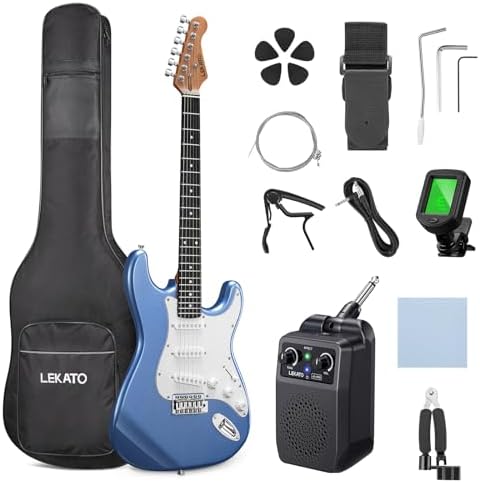
Various devices are now available to link your electric guitar to a smartphone, allowing you to use it as an amp modeler and effects processor. These compact devices typically feature a USB connection, a 1/4-inch instrument input, and a headphone or speaker output. You can even transform your smartphone into a recording station, enabling you to work on multi-track projects in real-time.
This convenience extends to tablets as well, and many performing guitarists prefer this setup for live shows due to its portability and ease of use. Several audio interfaces are compatible with both Android and iOS operating systems, while some models even include combined instrument and XLR inputs to connect microphones.
Connecting to a Home Entertainment System
Aside from using personal computers and mobile devices, you have the option of connecting your guitar to a standard home stereo or entertainment system. The connection process is relatively straightforward, as most systems possess designated auxiliary inputs for external sources.
However, do remember that the input will typically be a 1/4-inch stereo, so you’ll need an adapter for the guitar cable. Simply plugging your guitar into the hi-fi system and cranking it up allows you to get started; however, keep in mind that the sound may not be optimal because conventional audio systems aren’t designed for guitar frequencies.
Using a distortion pedal can muddy the sound, leading to a less than desirable tone. To enhance your experience, consider using a direct injection (DI) box that can emulate guitar speakers, a multi-effects processor, or a guitar preamp before connecting to your home stereo. Today, Bluetooth speakers with auxiliary inputs are also suitable for instruments, including electric guitars.
Going Directly Into a Mixer or PA System
An increasing number of guitarists are forgoing traditional amplifiers in favor of directly connecting to mixing boards or PA systems, particularly in live settings. This approach streamlines the performance process since miking a guitar amplifier can be laborious. Analog tube amplifiers, while beloved, often exhibit variability in tone over time.
You can plug directly into a mixing board, professional audio interface, or PA system without the need for extra devices. In a studio context, various software options accurately emulate the effects and sounds of traditional guitar amplifiers. For live performances or rehearsals, using either a preamp or a multi-effects processor with an emulated output is beneficial to achieve a sound closer to what a conventional amplifier would provide.
Without a preamp or DI box, plugging in through standard pedals may yield an unbalanced, chaotic sound that is likely to be unsatisfactory for both you and your audience. Digital modeling amps have emerged as a popular alternative; they process the guitar signal digitally to recreate amp sounds and typically come with numerous presets suitable for various musical styles.
Utilizing Guitar Headphone Amps
Many beginner guitarists wonder if they can simply plug in their headphones to an electric guitar for hassle-free sound. Unfortunately, most electric guitars possess passive electronics, meaning they lack a power source to effectively amplify the strings’ vibrations. Most headphones are also passive, leading to an unsatisfactory sonic experience.
For this reason, specialized headphone amps have become increasingly popular among guitarists. These devices connect to your guitar and feature a headphone output. Not only are they practical for practice, but they also produce a quality tone reminiscent of traditional amplifiers. They’re often affordable and compact, making them an excellent choice for private practice.
Electric Guitar Without Amplification: Conclusion
While it’s absolutely feasible to play an electric guitar without an amplifier, the experience is best within a quiet space due to the low volume. If amplified sound is what you truly desire, consider the alternatives mentioned. From connecting to computers and smartphones to utilizing home entertainment systems or specialized headphone amps, each method carries its own benefits and allows for creative sound exploration.
Ultimately, if the traditional amplifier is not in your plans, you might also consider acoustic-electric guitars, which serve as hybrids, blending the qualities of acoustic guitars with the convenience of electrification. Such guitars can be played amplified or acoustically, providing versatility for various musical scenarios.
With this guide, I hope you find the perfect method that suits your guitar-playing needs, ensuring your musical journey continues to thrive, even without a conventional amplifier.