
Can You Play an Electric Guitar Like an Acoustic?
Many guitarists find themselves at a crossroads when it comes to choosing between electric and acoustic guitars. Personally, I own one acoustic guitar but lean towards my electric models for most of my playing. However, there are moments when I wish to avoid the hassle of an amplifier. Maybe I don’t want to disturb the neighbors, or maybe I want to practice in a quieter environment without the added equipment. The question arises: can you play an electric guitar like an acoustic? The answer is yes, but with some caveats. Keep reading to explore this intriguing topic further. We’ll also discuss alternative options and some potential pitfalls of playing your electric guitar acoustically.
The Distinct Features of Electric and Acoustic Guitars
Understanding the differences between acoustic and electric guitars is crucial to grasping how to play an electric guitar in a more acoustic manner. Let’s clarify a few key elements.
Anatomy Matters
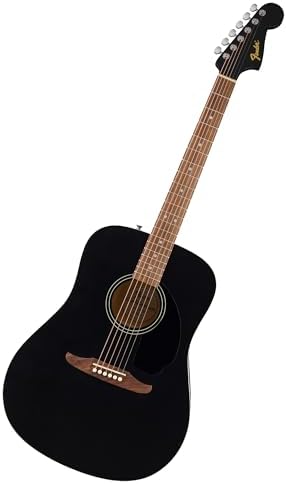
Acoustic guitars boast a fully hollow design. Their bodies serve as a natural amplifier. A soundhole located on the front surface enhances the resonance, while varying soundhole designs can be found in unique models, such as violin-style F-shaped openings. This design facilitates the amplification of sound, making it much louder compared to electric models.
On the other hand, electric guitars primarily use electronics to produce sound. Most notably, they feature pickups that convert string vibrations into electrical signals. These signals are then transmitted through amplifiers, which output the sound through speakers. Because of this fundamental design, electric guitars are engineered to function within a broader system.
Playing Without an Amp
Though electric guitars are typically meant to be used with amplifiers, that doesn’t mean you can’t play them acoustically. In fact, many guitarists, myself included, enjoy strumming on an unplugged electric guitar during practice or informal jam sessions.
However, there are several factors to consider. The reality is that while you can play an electric guitar without plugging it in, the sound will likely be much quieter. This limited volume means you’ll be able to hear yourself, but those farther away may struggle to catch the sound without any ambient noise interference.
Volume Levels Explained
So, how quiet is an electric guitar when played acoustically? The average room has a sound level of about 40 dB. An unplugged electric guitar may generate sound levels that approach this mark, but they are generally softer. This means it can be suitable for personal practice but may lack practical applications in social or performance settings.
If you opt for this route, it’s best to find a relatively quiet place to play. While you might hear your notes clearly in a sound-dampened environment, anyone further away will likely miss the nuances of your playing. Ultimately, if you want to showcase your skills, amplifying your electric guitar remains the best choice.
Electric Guitars that Amplify Acoustic Sound
Not all electric guitars are created equal; some models produce a louder sound even when played unplugged. Let’s explore which electric guitars excel in acoustic settings.
Hollow and Semi-Hollow Bodies
If you’re seeking an electric guitar that brings out a more acoustic sound, consider hollow-body or semi-hollow-body designs. These guitars utilize a hollow chamber to amplify the sound more effectively than solid-body guitars. Famous archtop jazz guitars, with their fully hollow construction, can rival the volume of smaller acoustic guitars, making them a great option for players looking for versatility.
Semi-Hollow Models

While standard solid-body electric guitars tend to be on the quieter side, models with some chambering can offer increased sound levels. Guitars like the Gibson Les Paul also tend to produce slightly louder sounds when played unplugged. On the flip side, Fender models are usually quieter due to their body materials and construction methods.
Setup for Success
Another important aspect to consider is how your electric guitar is set up. If the neck relief and string action are properly adjusted, you can minimize fret buzz. Proper setup allows for clearer resonance, making notes ring out more effectively, even without an amplifier.
Caution When Playing Electric Guitars without an Amp
Though jamming on an unplugged electric guitar can be a great way to practice, be cautious about your playing technique. You might find yourself picking harder or pressing too firmly with your fretting hand. For beginner and intermediate players, this can foster bad habits that affect your technique in the long run.
Maintaining Good Technique
Even when playing unplugged, maintain the same picking dynamics you would use if plugged in. This practice will help you develop a balanced interplay between your picking hand and fretting hand, preventing any long-term negative impact on your skills.
Other Solutions for Silent Jamming
If you’re looking to play without the complications of dragging out an amplifier, several alternatives exist that can accommodate a quieter playing experience.
Headphone Practice Amps
One of the simplest solutions is to invest in a headphone practice amp. These devices allow you to play your guitar through headphones, so you can enjoy your music without disturbing anyone around you. Various models come equipped with numerous sound options, giving you flexibility in your practice.
Travel and Practice Guitars
There are also travel and practice guitars on the market designed explicitly for silent jamming. Many of these models include built-in pickups, allowing you to connect directly to your headphones. With this approach, you can enjoy the best of both worlds — acoustic-like practice in a portable format.
Audio Interfaces
For those comfortable with technology, using an audio interface connected to your computer or mobile device offers another level of flexibility. However, this option may require a bit of additional effort to set up.
Playing an Electric Guitar Like an Acoustic: A Personal Note
As someone who frequently plays electric guitars in a low-volume environment, I often find myself strumming unplugged in my apartment. Being mindful of my neighbors, I enjoy the freedom of playing acoustic-like sessions, fine-tuning my skills without the hassle of an amp.
When I do wish to experience that amplified sound, using headphones offers a rewarding solution. Most times, however, the quietness of my environment allows me to appreciate the subtleties of my guitar even without amplification.
The Final Takeaway
In summary, while electric guitars are not designed to be played acoustically, they can still be enjoyed without an amp in quiet settings. Understanding the distinctions between electric and acoustic guitars will help you maximize your playing experience.
If you’re considering ways to enjoy your electric guitar even more, explore headphone practice amps and consider electric models designed for better unplugged performance. With the right approach and some practice, you can successfully navigate the nuances of both electric and acoustic styles, enriching your musical journey.
So, whether you’re opting for an unplugged session in the living room or looking for an effective way to amplify your electric guitar’s sound, there’s a path for every player. Happy strumming!
This post contains affiliate links. If you make a purchase through my links, I may receive a small commission at no additional cost to you. I only recommend products I truly believe in.