
Understanding Guitar Scale Length: What You Need to Know
When I embarked on my journey to buy my very first guitar, I quickly realized there was a lot to grasp. One concept that stood out was the idea of scale length, a term I’d heard often but didn’t quite understand. What does scale length mean, and how does it influence sound and playability? Ultimately, I ended up with a guitar featuring a shorter scale length than typical models. This was not a conscious decision; it merely happened to be the standard for Gibson guitars. However, I did not buy a Gibson; my choice fell on an ESP LTD EC-256, known for its resemblance to the iconic Gibson Les Paul body shape.
So, what are the pros and cons of a shorter scale length? Absolutely, there are benefits, but there are also some disadvantages to consider. Let’s dive deeper into the concept of guitar scale length to uncover its significance in terms of sound and playability.
Table of Contents
- What Is Scale Length on a Guitar?
1.1 Scale Length and Sound Variation
1.2 Influence of Scale Length on Tone
1.3 How Scale Length Affects Playability
1.4 Scale Length and Intonation
1.5 Common Scale Lengths Across Different Guitars - Key Takeaways on Guitar Scale Length
What Is Scale Length on a Guitar?
The scale length of a guitar refers to the distance that the strings vibrate between the nut and the bridge—a vital aspect of the instrument’s anatomy. In simpler terms, the nut serves as a stopping point for the vibrations on one end, while the bridge halts them on the opposite end. This means that the scale length essentially describes the “usable” segment of the strings.
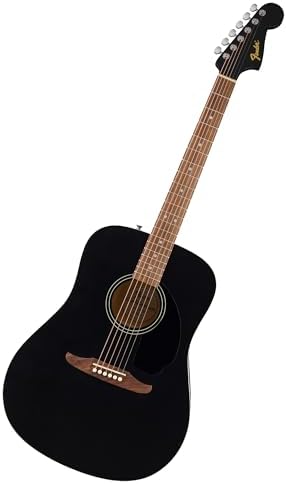
For those of you just starting your guitar journey, it’s worthwhile to understand the impact of scale length on tone, playability, and tuning stability. Gaining this understanding can greatly enhance your playing experience as you continue to explore the world of guitars.
This post contains affiliate links. If you make a purchase through my links, I may receive a small commission at no additional cost to you. I only recommend products I truly believe in.
Scale Length and Sound Variation
Before we dissect how different scale lengths produce distinct sounds, it’s essential to briefly touch on pickup functionality. Most guitars come equipped with both neck and bridge pickups. The neck pickup tends to deliver a brighter sound due to the shorter distance the string vibrations travel. Conversely, longer scale lengths add brightness to the tone as well, but for different reasons.
Typically, longer scale lengths provide a wider sound spectrum because the strings have more room to vibrate. As a result, musicians often describe the tones produced by guitars with longer scale lengths as “full-bodied” or “rich.” This is largely due to the additional space available for overtones to develop, which adds mids and highs to the sound.
On the flip side, shorter scale lengths tend to yield a warmer tone. While the sound may not travel faster, the strings reach the end more quickly because of the condensed distance. This creates the perception of a “narrower” sound. While many may label shorter scale guitars as “warm-sounding,” this characterization simply reflects the lack of space for tone development.
Influence of Scale Length on Tone
Scale length plays a pivotal role in shaping a guitar’s overall tone. Longer vibrating sections of strings yield more headroom, helping create a brighter sound when compared to shorter scale models. Notably, this difference in scale length doesn’t just impact tone but also contributes to factors like playability and intonation.
Unfortunately, you can’t simply adjust a guitar’s scale length; you’d need to opt for a different guitar altogether if you aim to change this characteristic. However, various workaround methods can help mitigate some of the downsides if your current guitar has a scale length that doesn’t suit your needs.
How Scale Length Affects Playability
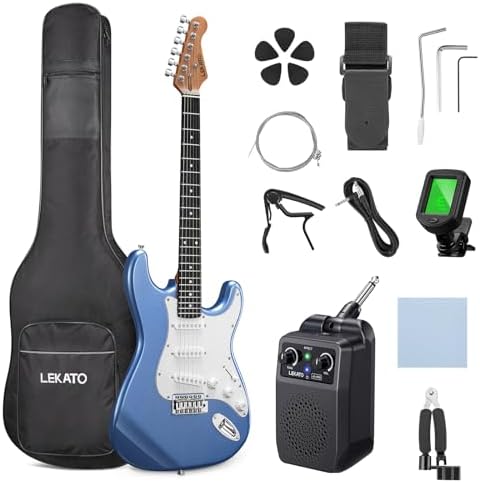
The tension of the strings is another crucial aspect influenced by scale length. In general, shorter scale lengths exert less tension on the strings. This characteristic often improves playability, making it easier for beginners to navigate the instrument. For example, Fender Junior guitars are specifically designed with shorter scale lengths to enhance accessibility for novice players. These guitars tend to produce a warmer sound due to their slightly over 22-inch scale length.
The reduced tension allows for easier fretting of notes. However, caution is advised; if you attempt to lower the action of a guitar that already has a short scale length, the strings may hang too low, which can negatively impact sound quality.
Conversely, guitars featuring longer scale lengths, like many newer Ibanez models, are often favored by rock and metal musicians who appreciate the full, rich sound they deliver. Baritone guitars represent a variation in this concept, boasting longer scale lengths, thereby producing a unique quality. While associated with genres like surf rock, baritones are also a popular choice in metal music.
Scale Length and Intonation
The concept of intonation is intricately linked to scale length. When strings are tightly held in place—usually by locking tuners—they stay tuned more effectively. With shorter scale lengths, strings may feel a bit slacker, making them more prone to going out of tune, especially if not stored properly.
Even with proper maintenance, strings can lose their tune over time. However, if your guitar adopts a string-locking setup, like those featured in systems such as NutBuster, the vibrating string portion—the scale length—remains in tune regardless of how you manage the strings above the nut.
Common Scale Lengths Across Different Guitars
The standard scale length for electric guitars today usually stands at around 25.5 inches. This measurement has historical roots, tracing back to the work of renowned guitar maker Antonio De Torres in the early 18th century, who primarily created classical guitars of similar lengths.
Slight variations in scale length can significantly affect tone, playability, and intonation. However, deviations as small as 0.1 inches are generally perceptible only to skilled musicians with finely-tuned hearing.
When perusing guitars, you may notice terms like ¾, ½, or ⅚ associated with certain models. These metrics often relate to the scale length in relation to the standard 25.5 inches but can also indicate the instrument’s overall size compared to the typical dimensions.
Many of today’s top guitar manufacturers employ different scale lengths in their instruments. For instance, PRS Guitars typically craft guitars with a 25-inch scale length, while Fender sticks with the established 25.5 inches. Ibanez, on the other hand, often features longer scale lengths that can reach 26.5 inches.
Key Takeaways on Guitar Scale Length
Each guitar manufacturer adopts varying scale lengths for their instruments, resulting in no universal standard. The 25.5-inch measurement has become more of a guideline than an absolute rule in the guitar industry.
Different scale lengths each come with their own set of benefits and challenges. Ultimately, it’s up to you, the guitarist, to determine which scale length aligns with your preferences and playing style. Beginners may feel overwhelmed by these nuances, but the silver lining is that slight variations in scale length won’t significantly impact your initial learning experience.
My recommendation is to follow your instincts, much like I did. Choose a guitar that resonates with you, irrespective of its scale length, as long as it falls within a reasonable range—not excessively long or short. This way, you’ll find an instrument that not only feels comfortable but also inspires you to make beautiful music.
By understanding the ins and outs of scale length, you can make more informed choices as you explore the diverse world of guitars. Happy playing!