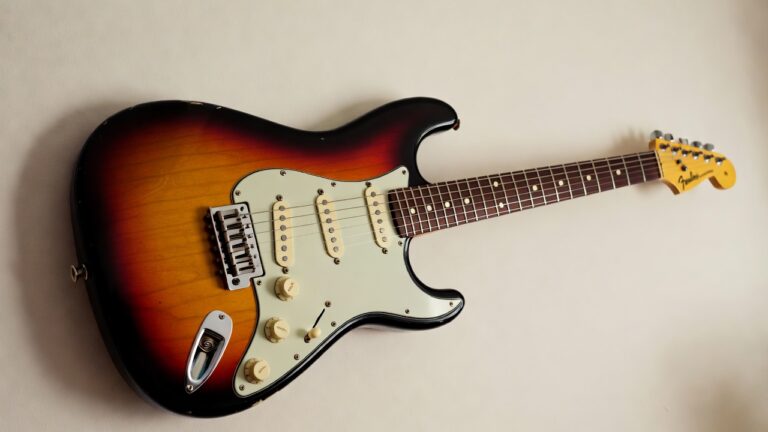
Should You Start Learning Acoustic Guitar Before Electric?
If your ultimate goal is to master the electric guitar, you may have been told that starting with the acoustic guitar is a better route. The theory goes that once you grasp the basics on an acoustic, you can seamlessly transition to electric. But is there any credibility to that belief? Should you really begin with acoustic before diving into electric? Let’s delve into the pros and cons of both approaches so you can make an informed choice that aligns with your musical journey.
Table of Contents
- Should You Learn Acoustic Before Electric?
- Advantages Of Learning Acoustic Guitar First
- Familiarity with the Guitar
- Smooth Transition to Other Acoustic Instruments
- Ideal for Recording Clean Parts
- Marching Band Opportunities for Kids
- Advantages Of Learning on Electric Guitar
- Save Time and Money
- Explore Unique Effects
- Customizable Sound and Tone
- Enhanced Playability
- Final Thoughts: Electric Before Acoustic?
Should You Learn Acoustic Before Electric?
The simple answer is that you do not have to start by learning on an acoustic guitar before picking up an electric guitar. While there are benefits to beginning with an acoustic, there are also strong arguments for starting directly on an electric guitar. Ultimately, the choice depends on your preferences and musical goals.
There’s a common notion that starting with an acoustic guitar simplifies the learning process. However, you can dive straight into playing electric without any prior acoustic experience. This could be especially beneficial if you’re planning to join a band or play with others soon.
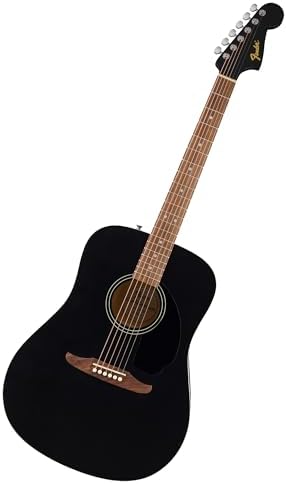
If you own both types of guitars, the ideal approach is to experiment with both and see which one resonates with you more. Visiting a music store to try them out can provide valuable insights into which instrument feels more comfortable.
From personal experience, transitioning from acoustic to electric offered me foundational skills, yet I also had to adjust to differences in fret spacing, string action, and techniques. This duality in learning methods raises valid points for both sides.
Ultimately, the learning journey is unique for each individual. Some may find that mastering the acoustic enhances their electric playing, while others may feel it slows them down. To help you navigate these choices, I will outline key advantages of starting with an acoustic guitar, followed by reasons why you might want to dive straight into electric.
This post contains affiliate links. If you make a purchase through my links, I may receive a small commission at no additional cost to you. I only recommend products I truly believe in.
Advantages Of Learning Acoustic Guitar First
Here are compelling reasons why starting your guitar journey with an acoustic guitar may be beneficial:
Familiarity with the Guitar as an Instrument
Both electric and acoustic guitars share fundamental components—headstock, fretboard, neck, and body. By learning on an acoustic guitar, you can develop an intrinsic understanding of these parts and how they contribute to the overall sound. Becoming familiar with the fretboard and basic strumming techniques can ease your later transition to electric guitar. Many learners find it easier to grasp these foundational skills on an acoustic, making it a solid starting point.
Smooth Transition to Other Acoustic Instruments
Once you’re comfortable with the acoustic guitar, you may find it easier to explore other related instruments, such as the violin, mandolin, or even a 12-string guitar. My own journey into different stringed instruments—after years of playing electric guitar—was enriched by the skills I had developed on the acoustic guitar. It opened up avenues for musical experimentation that might not have been as accessible otherwise.
Ideal for Recording Clean Parts
In genres where subtlety and clarity are crucial, acoustic guitars shine. Think of iconic ballads like “Hotel California” or “The Temple of the King.” These moments require the crisp, clear sound that only an acoustic can provide—something that electric guitars struggle to reproduce in a similar manner. For aspiring musicians or songwriters, having the ability to record clean acoustic parts can elevate their compositions significantly.
Marching Band Opportunities for Kids
For young learners, beginning on an acoustic guitar can lead to unique opportunities, such as joining a marching band. Starting young—ideally as early as four years old—allows children to absorb musical concepts effortlessly. If you’re a parent weighing the option between acoustic and electric for your child, an acoustic may provide a more accessible entry point, allowing them to engage with other musicians and experience the joy of performance from an early age.
Advantages Of Learning on Electric Guitar
On the other hand, there are noteworthy benefits to starting directly on an electric guitar:
Save Time and Money
If your primary aim is to play electric guitar, beginning with one eliminates the need for an initial investment in an acoustic guitar. You won’t have to go through the learning curve associated with switching instruments, allowing you to focus your energy and resources on electric guitar mastery from the start. This is particularly advantageous if your budget is tight, as electric guitars can often be more cost-effective.
Explore Unique Effects
The sonic landscape of electric guitars is vastly richer, thanks to a myriad of effects and distortion options. Imagine layering several sounds, using pedals like wah-wah or delay, to craft music that pushes the envelope creatively. The creative possibilities with an electric guitar are nearly endless, and this can be incredibly appealing, especially for those drawn to genres like rock or metal.
Customizable Sound and Tone
With electric guitars, you’re not just getting an instrument; you’re getting a canvas for sound sculpting. The ability to modify your tone with different pedals, amps, and configurations allows for unprecedented flexibility. Even a budget electric guitar can offer a wide array of sound options when used with decent amplification and effects. This kind of sound personalization makes electric guitars particularly attractive for budding musicians.
Enhanced Playability
Many people argue that electric guitars are generally easier to play due to their lighter strings, smaller frets, and more manageable body shapes. This makes them especially suitable for beginners, including children who may find acoustic guitars too bulky or challenging to handle. As you become accustomed to the nuances of electric guitar playing, you may find that the physical characteristics make learning more enjoyable and less frustrating.
Final Thoughts: Electric Before Acoustic?
In conclusion, it’s entirely feasible to start with the electric guitar before picking up an acoustic. If your main goal is to play electric music, this route may very well serve you better. Reflecting on my own journey, I sometimes wish I had begun with electric significantly earlier. However, the right choice is subjective, as many guitarists appreciate the foundational skills acquired from learning on acoustic first.
If you are just starting out, keep in mind that acoustic guitars are usually more affordable and may require less additional equipment compared to their electric counterparts. Take your time to explore each option, and remember that trying out both at a music store can reveal which feels right for you.
If you prefer acoustic but still like the idea of amplified sound or recording capabilities, consider investing in an acoustic-electric guitar. This hybrid option combines the best of both worlds, allowing you the versatility to play acoustic while having the option to plug in when needed.
Ultimately, your musical journey is yours to shape. Take the leap, experiment, and most importantly, enjoy the process of learning and playing guitar, whichever route you choose.