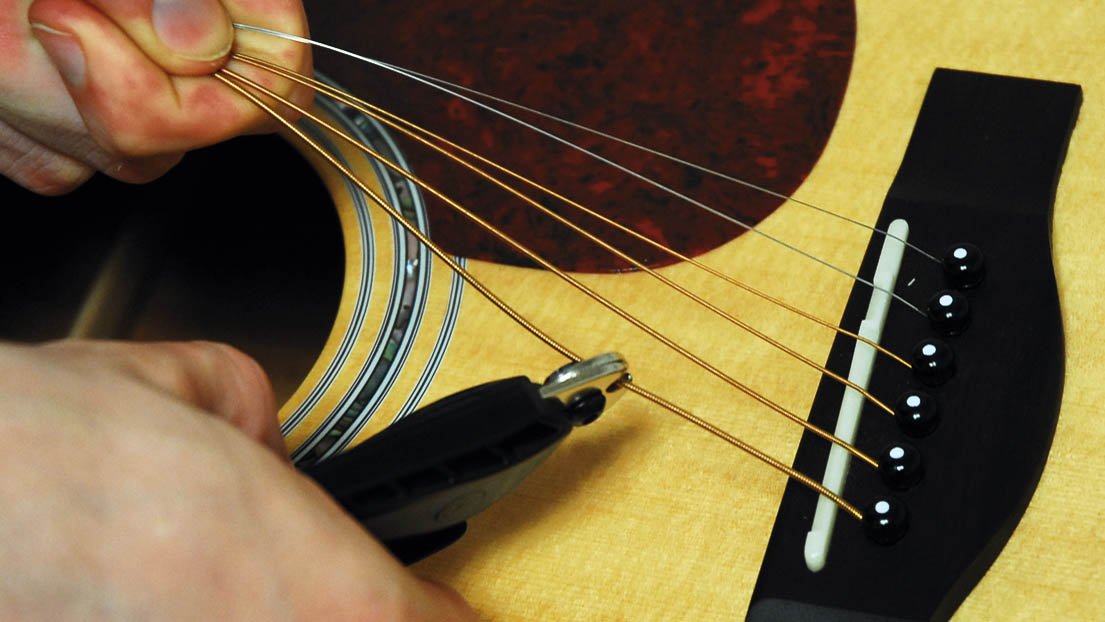
Bridge pins are essential components of steel-string acoustic guitars, playing a vital role in securing the strings to the bridge. However, they can also be quite troublesome, as they must be snug enough to hold the strings but can become stuck over time. If you’ve ever struggled with removing acoustic guitar bridge pins, you’re certainly not alone. This is a common issue faced by many players, leading to frustration and even potential damage to the instrument. In this guide, we’ll share effective methods to make the process of removing bridge pins more manageable. Let’s dive in and explore how to tackle this task with ease.
Understanding Bridge Pins
Bridge pins are designed to hold the ball ends of the guitar strings in place. Situated at the bridge of your guitar, they ensure that the strings remain anchored while you play. However, due to environmental factors like temperature and humidity, the wood of the guitar can expand and contract, which may lead to the pins becoming stuck over time. Proper care and technique can significantly reduce the likelihood of encountering this issue in the future.
Proper Restringing Techniques
To minimize the hassle of dealing with stuck bridge pins, it’s advantageous to establish a good restringing routine. Let’s break down the best practices for restringing your acoustic guitar, ensuring that the bridge pins remain free from becoming jammed.
The Right Way to Install Strings
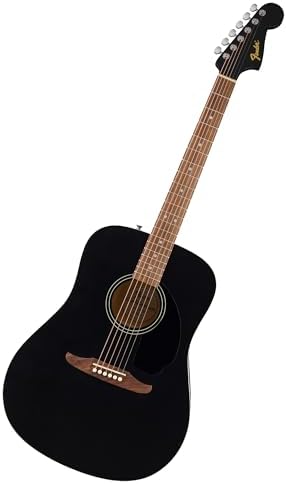
When installing new strings, it’s essential to position them correctly to prevent any jamming of the bridge pins. Here’s how you can do it:
-
Bend the Strings: Before inserting the ball end of the string into the bridge hole, create a small bend just behind the ball end. This can help to ensure that the string sits properly against the bridge and the bridge pin seats correctly.
-
Install the Ball End First: Insert the ball end of the string first into the bridge hole. Then, gently push the bridge pin into place over the ball end while applying slight pressure. Make sure the bridge pin aligns properly, ensuring that it secures the string without jamming.
-
Check for Fit: Once the pin is snug, gently tug on the string to ensure everything is seated correctly. This will help you avoid complications when it comes time to remove the bridge pins again in the future.
How to Remove Stuck Bridge Pins
If you find yourself faced with a stuck bridge pin, there are several methods you can employ to safely extract it without causing damage to your guitar. Gathering the necessary tools beforehand will help make the process smoother.
Essential Tools You Will Need
Before you start the removal process, make sure you have the following tools on hand:
- Pliers: A simple pair of pliers can provide the extra grip needed for stubborn bridge pins.
- String Cutters: Helpful for quickly removing old strings beforehand.
- String Winder: In addition to winding and unwinding strings, many string winders come equipped with pin pullers.
- Patience: This is perhaps the most crucial tool of all. Taking your time will prevent accidental damage to your instrument.
Now, let’s delve into the systematic steps to remove those pesky stuck bridge pins.
Step 1: Remove the Strings
Begin by loosening and removing the strings. This will provide you with access to the bridge pins without any tension holding them in place.
- Unwind the Strings: Start by loosening the strings from the tuning machines. It can be easier to cut the strings at the bridge after you have unwound them a bit.
- Cut the Strings: For a clean removal, use string cutters to snip the strings close to the bridge. This step saves you the hassle of unwinding all the strings from the tuning pegs.
Step 2: Loosen the Pins from the Inside
Once the strings are out of the way, it’s time to tackle the stuck pins from inside the guitar.
- Access the Soundhole: With the strings removed, carefully reach inside the soundhole of your guitar.
- Locate the Pins: Feel around to locate the tops of the bridge pins and where the ball ends of the strings are resting. This will guide your techniques for removing them.
- Tap the Pins: Using pliers or a similar object, gently tap the pins from underneath. Be patient and use light pressure, as you want to avoid damaging the interior of your guitar. You can steady the guitar’s body with your other hand to provide support while tapping.
Step 3: Pull the Pins from the Outside
After loosening them from the inside, it’s time to attempt removing the bridge pins from the outside.
- Begin to Wiggle the Pins: If the pins are moving slightly, that’s a good sign. Using the pin puller feature on your string winder, carefully slide it under the head of the pin.
- Angle the Pull: Rather than pulling directly upwards, pull at a slight angle, similar to removing a bottle cap. This technique can help the pin slide out more easily.
Troubleshooting Stuck Bridge Pins
Sometimes, despite your best efforts, the pins can remain stubbornly stuck. If this happens, don’t be discouraged—try the following methods to avoid damaging your guitar.
Persistent Stuck Pins
-
Revisit Step Two: If the pins aren’t budging, return to the inside of the guitar and give the pins another gentle tap with your pliers. It may take some additional patience, but this often helps to loosen them further.
-
Seek Assistance: If possible, ask a friend to help. One person can continue tapping the pin from the inside while another applies gentle pulling pressure from the outside.
-
Use Rust Penetrant: In cases where rust has formed, consider applying a small amount of penetrating oil (like WD-40) to the pin. Let it sit for a few minutes to break down any corrosion, then try pulling again.
Final Thoughts on Removing Bridge Pins
Removing bridge pins is a critical part of maintaining your acoustic guitar, especially during restringing. Stuck pins can be frustrating, but with the right techniques and tools, you can handle it like a pro. Remember to take your time, remain patient, and follow the outlined steps to ensure that the pin removal process becomes easier for you in the long run.
By incorporating proper restringing methods and engaging in regular maintenance, you can minimize the chances of facing stuck pins. However, when the situation arises, you now have a comprehensive understanding of how to address the frustration effectively. Happy playing, and enjoy making beautiful music with your guitar!