Understanding the Differences: Telecaster vs Stratocaster
When you think of electric guitars, two models frequently come to mind: the Telecaster and the Stratocaster. Both iconic designs from Fender have shaped the music industry and the sounds of countless genres. Although they share some similarities, their differences create unique playing experiences tailored to various styles. If you’ve ever wondered which of these legendary guitars suits you best, you’ve come to the right place. Let’s dive into the subtle and not-so-subtle aspects of the Telecaster and Stratocaster to help you make an informed choice.
Overview of the Telecaster and Stratocaster
What Is a Telecaster?
The Telecaster, birthed in the 1950s by Leo Fender, holds the distinction of being one of the first mass-produced electric guitars. Its straightforward design features a solid body, two pickups, and a simple control layout. If you’re a fan of clean tones with a bit of bite, the Telecaster might just be your perfect match. Over the decades, various brands have created models inspired by the Telecaster, although only Fender and Squier by Fender can claim the original design.
What Is a Stratocaster?
Created as a response to growing competition, particularly the Gibson Les Paul, the Stratocaster made its debut in 1954. With three pickups and more control options, the Stratocaster offers a modern take on guitar design, adapted for multi-genre capabilities. The unique curves of its body and versatile sound options have made the Strat a favorite among musicians for decades. Similar to the Telecaster, only Fender and Squier can produce genuine Stratocasters, while many other brands offer suitable alternatives.
This post contains affiliate links. If you make a purchase through my links, I may receive a small commission at no additional cost to you. I only recommend products I truly believe in.
Key Differences Between Telecasters and Stratocasters
Despite both guitars being masterpieces of craftsmanship, they each have distinct features that set them apart. Let’s take a detailed look at their differences.
Release Year and Evolution
- Telecaster: Introduced in 1950, it was among the earliest electric guitars.
- Stratocaster: Released in 1954, it represented an evolution in electric guitar design.
Pickups Configuration
- Telecaster: Equipped with two single-coil pickups, the Tele offers a clean sound with a sharp bite.
- Stratocaster: Features three single-coil pickups, providing a broader range of tones and combinations.
Controls
- Telecaster: Comes with a simple layout—two knobs (volume and tone) and three pickup positions.
- Stratocaster: Provides more versatility, with three knobs (two tones and one volume) and a five-position pickup selector.
Tremolo System
- Telecaster: Generally does not include a tremolo system, making it more straightforward and reliable for rhythmic playing.
- Stratocaster: Often features a tremolo bridge, allowing players to explore pitch variations through vibrato effects.
Sound Characteristics
- Telecaster: Known for its bright, cutting tones, the Telecaster excels in genres like country and rock, while also making waves in blues and jazz.
- Stratocaster: Renowned for its versatility, the Stratocaster delivers warm and bright tones, making it a favorite across genres including rock, pop, and blues.
Similarities Between Telecasters and Stratocasters
While these guitars differ significantly, they also share many fundamental features that make them staples in the musical world.
Brand Legacy
Both guitars are crafted by Fender, a name synonymous with quality in the guitar industry. The brand’s exemplary reputation adds a layer of value and trust to each model.
Build Quality
Both the Telecaster and Stratocaster boast solid-body designs, commonly made from alder wood. Though some Telecasters may feature ash bodies, most versions produce similar sound qualities and performance.
Fretboard and Neck
Typically designed with 22 frets, both guitars feature maple or rosewood fingerboards. The neck shapes usually follow a “C” profile, providing a comfortable grip for various playing styles.
Price Range
Fender models generally hover around the $1,000 mark for their American-made versions, though international models from Japan and Mexico can be found at more affordable prices. There are also collectible reissues available for guitar enthusiasts willing to invest more.
Advantages of the Telecaster
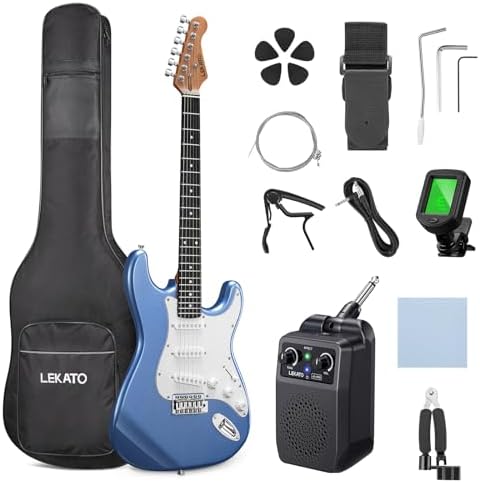
The Telecaster’s straightforward design lends itself to a series of unique advantages that appeal to different playing styles.
Unique Sound Profile
The bridge pickup is positioned within the metal bridge, delivering a distinctive and powerful tone. If you prefer clear sounds that can also produce a gritty edge, the Telecaster is a fantastic choice.
Simplicity
With just one volume and one tone knob, the Telecaster champions simplicity, making it beginner-friendly. This streamlined approach allows players to focus on their technique rather than complex controls.
Iconic Users
Telecasters have been wielded by a variety of renowned guitarists, including Keith Richards, Brad Paisley, and Jonny Greenwood. Their influence in various genres demonstrates the guitar’s versatility.
Advantages of the Stratocaster
The Stratocaster’s innovative design offers numerous benefits that can enhance your playing experience.
Versatility in Tone
With its additional pickups and control options, the Stratocaster provides a broader sound palette. Guitarists love the warm and resonant tones, making it ideal for an array of musical genres.
Tremolo System
The tremolo bridge adds a fun dynamic element, enabling players to experiment with pitch modulation and vibrato. This feature has solidified the Stratocaster’s status as a go-to for expressive solos.
Notable Players
Countless legends like Jimi Hendrix, Eric Clapton, and Stevie Ray Vaughan have famously carried Stratocasters. Their usage across rock and blues showcases the guitar’s ability to deliver powerful and emotive performances.
Why Choose a Telecaster?
Selecting between the Telecaster and the Stratocaster often boils down to personal preference. The Telecaster’s straightforward design, coupled with its powerful sound, makes it an appealing option for those who appreciate a minimalist approach. Its cutting tones are particularly suited for styles such as country, rock, and even jazz. Beginners often find the Telecaster to be an accessible entry point into the world of electric guitars.
Why Choose a Stratocaster?
On the flip side, the Stratocaster offers greater versatility thanks to its additional pickups and control configurations. It’s perfect for genres like blues, pop, or rock that thrive on dynamic sounds and experimentation. If you love the idea of exploring various sonic landscapes, the Stratocaster might be the better option for you.
Final Thoughts on Telecaster vs Stratocaster
Ultimately, you can’t go wrong with either the Telecaster or the Stratocaster. Their distinct characteristics and road-tested legacies provide two fantastic choices that continue to inspire musicians around the globe. Your decision will likely hinge on the type of music you enjoy and your personal playing style.
Both guitars come with an associated price tag but remember that Fender’s Squier brand offers budget-friendly alternatives without sacrificing quality. If you’re on a tight budget, Squier’s models can deliver great value for your money, making them a worthy consideration for new players.
Whether you choose to strum a Tele or shred on a Strat, embrace the musical journey ahead of you. The right guitar can elevate your playing, inspire creativity, and truly bring your musical aspirations to life.