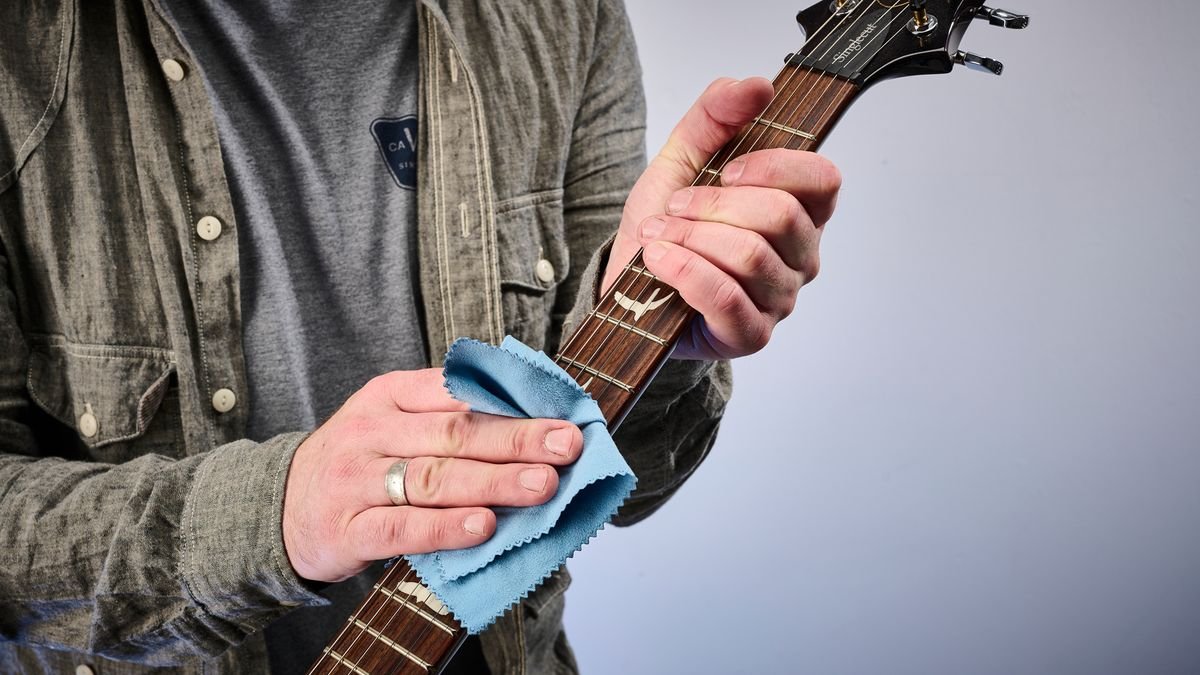
The Ultimate Guide to Cleaning Your Acoustic Guitar
Cleaning your acoustic guitar may seem like a daunting task, but it doesn’t have to be. With the right approach, it can be a straightforward and fulfilling process. While it does require some time and effort, mastering the easy steps to clean your instrument can keep it in excellent shape. Ideally, you should thoroughly clean your guitar at least twice a year if you play regularly.
Why Clean Your Guitar?
Regular cleaning is crucial for maintaining the longevity and quality of your acoustic guitar. Dust, grime, and sweat can build up over time, potentially impacting sound quality and playability. A clean guitar not only looks better but also feels better when you play it. You might notice that a well-maintained guitar responds better and provides a more enjoyable playing experience.
When to Clean Your Guitar
The best time to give your guitar a good cleaning is during routine restringing. Taking off the strings allows for a more in-depth cleaning of the fretboard and body. This way, you can effectively reach those tricky areas that typically gather dirt. It’s a practical approach to make the most of your maintenance time.
Gathering Your Cleaning Supplies

Before diving into the cleaning process, it’s essential to gather all necessary materials. Here’s a simple list of items you’ll need:
- A soft cleaning cloth
- Regular guitar polish (consider a trusted brand for the best results)
- Lemon oil or a specialized fretboard cleaner
- A small brush (like a toothbrush) for tight spots
- A soft brush for general cleaning
- A needle or another pointy tool for precision cleaning around fret wires
Once you have everything ready, you’re set to start the cleaning process.
Step-by-Step Cleaning Process
Let’s break down the cleaning process into manageable steps that can be applied to any acoustic guitar model, ensuring a thorough and effective clean.
Step 1: Remove the Strings
Removing the strings is the first essential step in your guitar cleaning project. While it’s feasible to do a light cleaning with the strings on, a deep clean is impossible without taking them off. Removing the strings gives you access to all areas that need attention, including the fretboard and the body around the soundhole. If you plan to restring your guitar after cleaning, make this your first step.
Step 2: Dusting and Debris Removal
Once the strings are off, take a soft cloth and gently wipe down the entire guitar. Pay close attention to the body, neck, and headstock, making sure to capture any dust particles. The area around the soundhole and the bridge often accumulates grime, so give these spots extra care.
Next, grab your small brush. A toothbrush works perfectly for navigating tighter areas such as:
- The gaps between the fret wires
- Where the fingerboard meets the neck
- Around the bridge and the bridge pins
Gently work the brush into these areas to dislodge any stuck dirt. Just remember to use light pressure to avoid scratching your guitar’s finish. It’s a delicate balance of being thorough yet gentle in this stage.
Step 3: Deep Cleaning Your Guitar

With surface dust taken care of, it’s time to deep clean your guitar. This part of the process involves using a guitar polish that is specifically designed for acoustic instruments. Apply a small amount of polish to your soft cleaning cloth and gently rub it onto the body and neck of the guitar, following the grain of the wood.
For the fretboard, use the lemon oil or fretboard cleaner. This will help to remove grime that accumulates along the fret wires and fingerboard. Again, use a circular motion to ensure even coverage and cleaning.
For any stubborn residue, you may find that the pointy tool, such as a needle, can be helpful. Wrap the tip in a cloth for added protection, and carefully scrape away any gunk from around the frets. Exercise patience in this step—taking your time will prevent any unintentional damage to the instrument.
Next, check the bridge and headstock. Here, you can use your small brush to eliminate any lingering dust. Moreover, it’s an excellent moment to inspect the structural integrity of your guitar. Look for any loose parts or damage, particularly near the frets and glue joints. If you notice anything concerning, it’s wise to consult a luthier.
Step 4: Additional Cleaning Tips
If your guitar is particularly dirty, consider using mild soap or detergent mixed with water. This solution can help lift stubborn dirt stains. Spray a light mist of the solution onto your soft cloth—not directly onto the guitar—to prevent excessive moisture from seeping into the wood. After applying the detergent, remember to wipe off any excess moisture immediately.
Be cautious of what you use during cleaning. Avoid any alcohol-based products as they can ruin the finish of your guitar or harm the wood itself.
Step 5: Final Touches
Once you’ve completed the above cleaning steps, it’s time for some final touches. Use an additional polish treatment if desired, and take a fresh cloth to buff and shine your guitar. Check to make sure there are no smudges or residues left from the cleaning products you used.
During this stage, give the finish a thorough examination for any signs of damage. Pay particular attention to the fingerboard, looking for cracks that may need addressing.
Step 6: Restringing Your Guitar
Now that your guitar is clean and pristine, it’s time to restring it. While it may be tempting to reuse the old strings, it’s generally best practice to install new ones after a thorough cleaning. Fresh strings can enhance the sound and feel of your guitar significantly, providing a more enjoyable playing experience.
If you do decide to put the old strings back on, ensure you clean them as well to prevent transferring any grime back onto the instrument.
Can You Clean Your Guitar Without Removing the Strings?
Yes, light cleaning can be done without removing the strings. Loosening them might allow you to clean around the fretboard and dust the body. However, for a complete clean and a thorough check of your instrument, we highly recommend removing the strings at least twice a year, particularly if you play frequently. Your guitar is an investment, and taking care of it will keep it sounding great for many years to come.
Final Thoughts on Caring for Your Acoustic Guitar
Taking the time to clean your acoustic guitar might seem time-consuming, but it’s well worth the effort. Regular maintenance allows you to preserve the instrument’s beauty and functionality, providing a better musical experience.
Now that you know how to clean your acoustic guitar through this simple, step-by-step guide, you’ll find the process easier the next time around. Your instrument will not only look fantastic but also play much better. Happy playing!