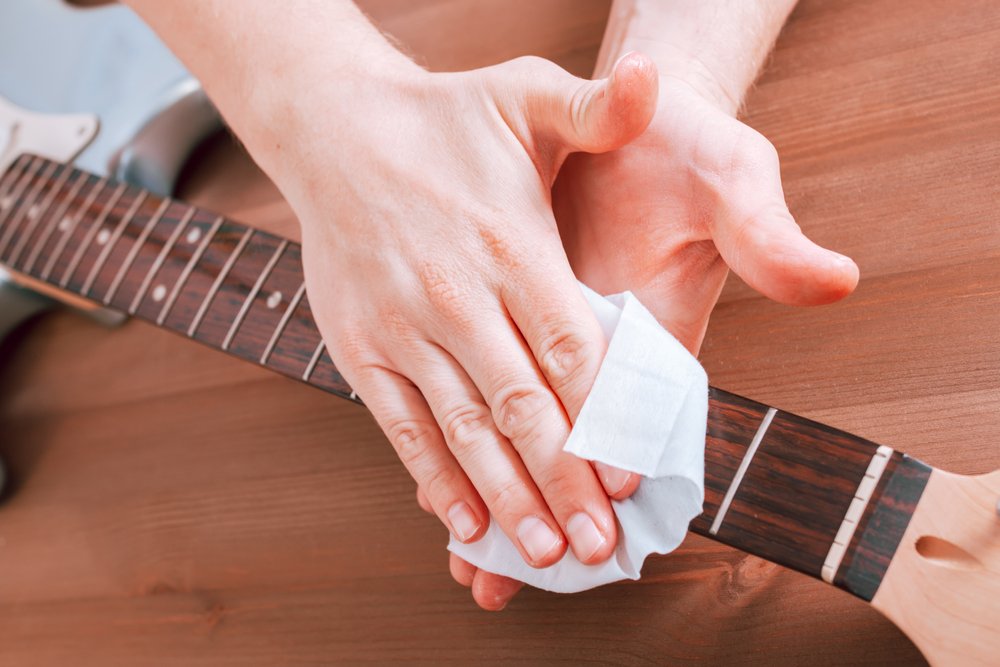
Guitars require attention and care just like any cherished instrument. Each time you strum, the oils and grime from your fingers transfer to the strings, fretboard, and body of the guitar. Cleaning your guitar immediately after playing can significantly reduce the buildup of dirt and sweat. However, even with regular maintenance, a thorough cleaning will become necessary over time. Learning the proper techniques for cleaning your guitar can make this task quicker and help prevent any potential damage to your instrument. In this article, we’ll explore effective methods for cleaning your guitar while minimizing how quickly it becomes dirty again.
Understanding How Guitars Get Dirty
Before diving into the cleaning process, it’s crucial to understand how your guitar accumulates dirt and grime. This knowledge will empower you to take proactive measures that keep your guitar looking great for longer.
How Do Guitars Accumulate Dirt?
Guitars gather dust and bacteria from various sources. The most common culprits include:
- Lack of Use: If your guitar is left unplayed and unattended for extended periods, it’s likely to gather dust. Regular use is essential, but even frequent playing requires attention.
- Finger Oils and Dirt: When you play, the natural oils from your fingers, along with dirt, transfer to the strings and body. New strings, for example, quickly lose their shine due to this buildup.
- Rust: Components made from metal, such as pickups, bridges, and electronic parts, can rust if they’re not regularly cleaned. Moisture and sweat exacerbate this issue.
- Spills: Accidental spills can damage not only the aesthetic but also the functionality of your guitar, especially if they reach the electronics. Wiping up spills immediately can prevent lasting damage.
Tips for Keeping Your Guitar Clean
To reduce the frequency of deep cleans, it’s wise to incorporate regular cleaning into your routine. A consistent maintenance approach not only saves you time but also enhances your guitar’s lifespan.
Habits to Maintain Cleanliness
- Clean Before and After Playing: Make it a habit to wipe down your guitar with a soft cloth before and after each use. This simple step can significantly decrease dirt accumulation.
- Use Appropriate Cloths: For strings and the fretboard, a microfiber cloth works best, while a dry polishing cloth is ideal for electronic components.
- Protect the Body Finish: If your guitar has a wooden finish, use guitar-specific polish to avoid damaging the surface. Regular furniture polish contains harmful ingredients that can be detrimental.
- Store Properly: When not in use, store your guitar in a case or bag. This protects it from dust and prevents unnecessary dirt buildup.
Step-by-Step Guide to Cleaning Your Guitar
Different guitar components require distinct cleaning methods. Below, we’ll take a look at how to clean each part effectively and the materials you’ll need for the task.
Essential Materials for Cleaning
Gather the following supplies before starting the cleaning process:
- Body Cleaning: Soft polishing cloth, guitar polish (if applicable), guitar wax (optional)
- String Cleaning: Microfiber cloth, guitar string conditioner (optional)
- Fretboard Cleaning: Fine steel wool, latex gloves, masking tape, fretboard cleaning product, cloth or toothbrush
- Electronics: Phillips screwdriver, electrical cleaner (like DeoxIT)
- Bridge: 3-in-One oil or WD-40, toothbrush
- Pickups: Cloth, can of compressed air
Cleaning the Guitar Body
When cleaning the body of your guitar, the finishing on the surface is critical to consider. Most mass-produced guitars feature shiny polyester or polyurethane lacquers, allowing for some cleaning products. However, wood-finished guitars need much gentler care.
Step 1: Remove Strings (Optional)
Though not necessary, removing the strings can provide better access and make the cleaning process easier.
Step 2: Wipe Down the Body
Using the soft cloth, thoroughly wipe down the entire body of the guitar. It’s best to do this in a well-lit area to ensure you spot any dirt.
Step 3: Polish (If Applicable)
For lacquered finishes, spray a small amount of guitar polish onto your cloth and polish the body. Ensure even coverage for a consistent shine.
Step 4: Waxing (Optional)

If you wish, apply a layer of wax to further protect the body, creating a barrier against dirt and moisture.
Cleaning the Strings
Strings can quickly develop a layer of dirt, impacting their sound quality and playability. Regular cleaning can prolong their lifespan and the sound clarity.
Step 1: Quick Wipe
Use a microfiber cloth to wipe the strings thoroughly after each session. This can prevent dirt buildup over time.
Step 2: Wet the Cloth (Optional)
Dampening the cloth slightly can help lift dirt; however, it is not necessary.
Step 3: Pinch and Rub
At the bridge, pinch the string with the cloth and scrub it from the bridge to the nut. Repeat this process a few times for each string.
Step 4: Sandwich Technique
Slide a piece of cloth beneath all the strings, folding the other half over the top to sandwich them. Wipe along the full length.
Step 5: Lubricate (Optional)
Applying a lubricant can enhance string performance and longevity. If you choose to do so, apply the lubricant to the cloth before repeating the sandwich method.
Cleaning the Fretboard
Cleaning the fretboard is essential, especially as it accumulates sweat and grime over time. Here’s how you can do it effectively:
Step 1: Removable of Strings
To get full access, take off the strings before cleaning the fretboard.
Step 2: Protect the Pickups
Cover the pickups with masking tape to prevent any metal particles from sticking to them during the cleaning process.
Step 3: Gentle Scrub
With gloves on, use fine steel wool to gently scrub the fretboard, focusing on removing grime stuck to the frets.
Step 4: Condition the Fretboard
Apply a fretboard conditioning product using a cloth or toothbrush. This rehydrates the wood, maintaining its longevity and preventing drying or cracking.
Cleaning the Bridge
The bridge is another area prone to rust and dirt. Regular maintenance here will enhance its performance.
Step 1: Apply Cleaner
Use a toothbrush to apply a suitable cleaning product to the bridge, ensuring you do not let the cleaner touch other parts of the guitar.
Step 2: Brush and Care
Scrub the bridge lightly with the toothbrush, removing grime while being cautious not to damage any finishes.
Cleaning the Pickups
Pickups are a vital part of your guitar that often require regular cleaning to ensure optimal function.
Step 1: Remove Strings
Again, taking off the strings will allow easier access to clean the pickups thoroughly.
Step 2: Wipe Down
Gently wipe the pickups with the cloth to eliminate any top-level dirt.
Step 3: Compressed Air Use
Utilize a can of compressed air to blow away dirt from crevices that a cloth might not reach.
Step 4: Final Wipe
Finally, use the cloth again to collect and wipe away any loose debris dislodged by the air.
Cleaning the Remaining Hardware
To keep the electronic parts in excellent working order, cleaning is essential.
Step 1: Remove Strings
As before, take off the strings to access electronics.
Step 2: Open Panels
Carefully unscrew and open the scratch plate or control cover based on your guitar’s design.
Step 3: Clean Electronics
Locate the potentiometers and clean the tracks with a small amount of contact cleaner. Turn the knobs a few times to distribute the cleaner thoroughly. Don’t forget to apply cleaner to the switch and the jack.
Cleaning an Acoustic Guitar
Cleaning an acoustic guitar has a few distinct differences from an electric one. The absence of electronics means less complexity, but you still want to pay attention to details.
Unique Aspects to Consider
While acoustic guitars don’t have electronic components, if they do feature a pickup system, check the battery and connections periodically.
Special Care for the Bridge
You can remove the saddle of the acoustic guitar for a more thorough cleaning. Utilize fretboard conditioner for the bridge and employ a Q-tip for cleaning the string holes.
Final Thoughts on Guitar Maintenance
Integrating even a quick cleaning routine before and after playing is the single best action you can take to extend your guitar’s life and maintain its sound quality. Regardless of whether you own a high-end electric guitar or a modest acoustic, regular cleaning will keep it functioning optimally for years to come.
While regularly maintaining your instrument can seem tedious at times, the long-term benefits of a well-kept guitar far outweigh the time invested in cleaning. You’ll not only enhance your guitar’s longevity but also reduce the frequency of deep cleans, which can be labor-intensive. Remember, a little love and care go a long way in preserving your guitar’s beauty and sound.