Can You Plug Headphones Into a Guitar? Everything You Need to Know
When I was a teenager, thrilled by the prospect of learning guitar, I got my first electric guitar. The excitement was palpable, but so were my parents’ concerns about noise. To help me practice without disturbing anyone, they limited the time I spent playing. Fortunately, my amplifier had a headphone jack, letting me practice quietly. This led me to wonder: Can you connect headphones directly to a guitar? Or do you always require an amplifier? Let’s dive deep into this topic to uncover the benefits and the nuances of using headphones with your guitar.
Can You Connect Headphones Directly to a Guitar?
The simple answer is no. You cannot plug headphones directly into a guitar, whether it’s acoustic or electric. To listen to your playing through headphones, you first need to connect your guitar to an amplifier. If the amp has a headphone output, that’s where the headphones come in. This setup ensures that you can enjoy your music without disturbing others.
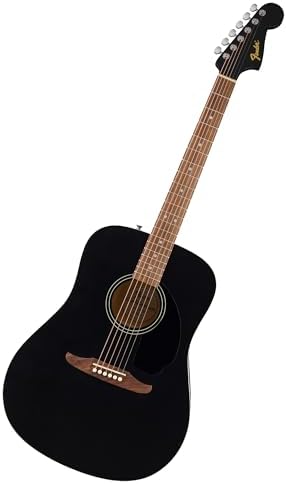
If you own an acoustic guitar that does not plug into an amp, unfortunately, you won’t be able to use headphones at all. However, with semi-acoustic guitars that come with a pickup system, you can amplify your sound and use headphones effectively. Listening to your guitar through headphones is an excellent way to catch details in your tone, as headphones often provide a more nuanced audio experience than the human ear alone.
Plugging Headphones into an Amplifier
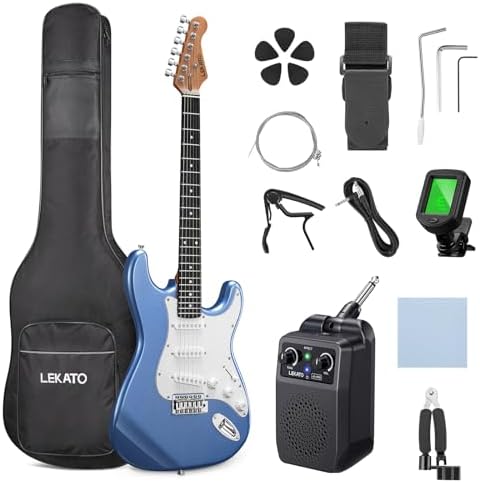
As mentioned earlier, the correct process involves connecting your guitar to an amp first. This principle applies to any type of guitar, including electric, acoustic, semi-acoustic, fretless, and others. When using an electric guitar, you need an amp anyway, so incorporating headphones isn’t an extra cost—it’s part of your setup. However, there are several factors to ensure your headphone experience is optimal, especially if you’re new to this.
The Importance of Amp Features
Not all amplifiers come equipped with headphone jacks. Some models may be too small or outdated and lack this convenient feature. If you’re considering an amp and see that it has a headphone output, that’s a sign it’s user-friendly for practicing silently. Having the right amplifier is crucial, as you don’t want to invest in an amp only to discover you can’t use it with headphones.
Limitations with Guitar Types
When it comes to guitar compatibility with headphones, only electric and semi-acoustic guitars are applicable. Pure acoustic guitars don’t offer a way to hook up headphones because they don’t have the necessary electronic components. Semi-acoustic guitars are your best bet for headphones because they can connect to an amp.
Not All Headphones Are Created Equal
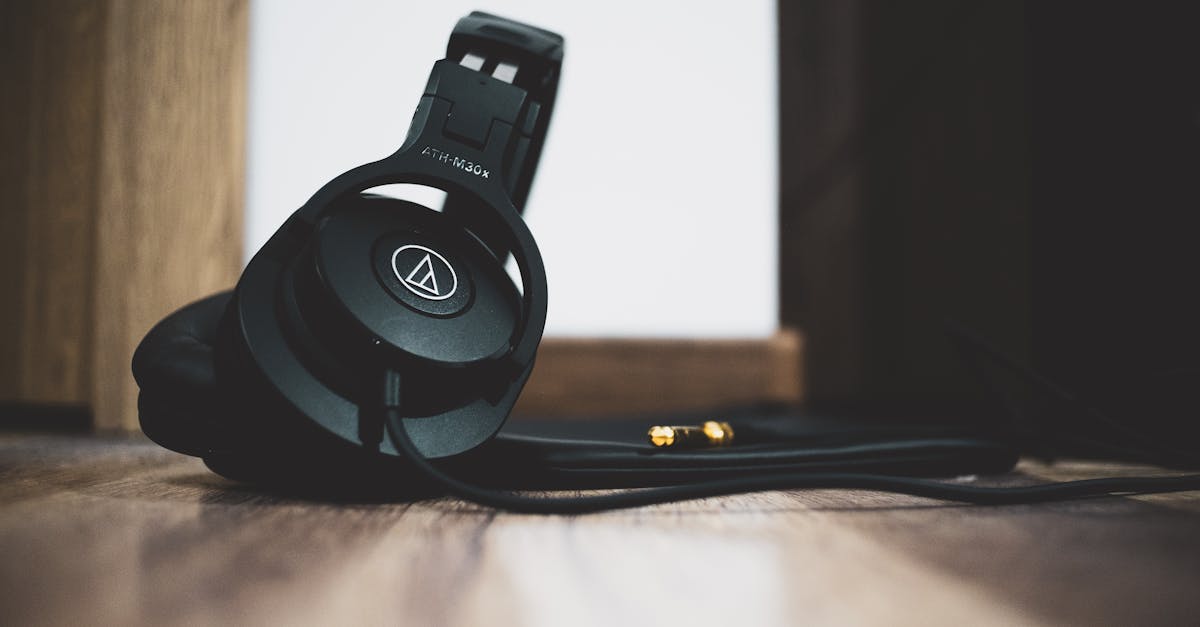
Let’s talk about headphones. You’ll find a range of types on the market, but not all of them work well for guitarists. Basic earbuds are usually mediocre for guitar playing unless they are high-end models with advanced noise cancellation. Open-back headphones are good, but if you crank up the volume, they may disturb those around you. Closed-back headphones tend to isolate sound better, but personal preferences will dictate your choice.
Why Use Headphones When Playing Guitar?
Why should you consider using headphones at all? For many, the answer lies in living situations. If you live in an apartment or have housemates, headphones can be a saving grace. You can practice late at night without worrying about noise complaints.
Let’s not forget tonal clarity. When playing through headphones, the sound travels directly to your ears, and you’ll hear every detail. This clarity allows mistakes that you might overlook otherwise to become apparent, helping you improve your playing skills more quickly.
The Audio Experience Through Headphones
Now, how does the audio of your guitar change when you wear headphones? It transforms significantly. Even budget headphones can capture frequencies that human ears might miss due to environmental noise. Various audio channels will help distribute sound more cleanly, minimizing sonic clutter.
Why Is Guitar Tone Different When Played Through Headphones?
It’s a common misconception that the guitar’s tone itself changes. Instead, each headphone model has a distinct sound profile. Some headphones provide a more ‘colored’ sound, enhancing certain frequencies over others. If you’re using wireless earbuds, rest assured that your audience will hear your guitar’s sound as it was intended, regardless of any differences in your personal experience.
Enhancing Your Guitar Sound Through Headphones
You may wonder if it’s possible to improve how your guitar sounds over your headphones. The answer is a resounding yes—but the methods vary depending on your gear. Wired headphones are less flexible, as adjusting their internal components often requires professional help. Wireless headphones, on the other hand, often come with apps to tweak their audio settings.
One straightforward way to enhance audio quality is by using an EQ app on your smartphone. This tool allows you to adjust frequencies according to your personal preference. Alternatively, you can alter the settings on your amplifier, although this will affect your guitar’s overall tone rather than just the headphone experience.
As you grow into playing and listening, you may develop a habit of jotting down your settings. Keeping notes for both amp and headphone configurations can make it easier to switch between your favorite sounds, even when you’re on the go.
Connecting Your Electric Guitar to Headphones: Final Insights
In summary, you cannot plug headphones directly into a guitar. Acoustic guitars lack the required jacks, while electric guitars are built for guitar cables, which are incompatible with headphone plugs. The best way to enjoy your electric or semi-acoustic guitar through headphones is to connect it to a guitar amplifier first and then link your headphones to the amp’s compatible output. Remember, acoustic guitars won’t support this feature at all.
Using headphones while playing your guitar can significantly enrich your musical journey. Not only do they offer a private practice space, but they also enhance your awareness of tone and technique. Whether you’re a beginner or a seasoned player, understanding the connection between your guitar, amp, and headphones will elevate your playing and practicing experience.
This post contains affiliate links. If you make a purchase through my links, I may receive a small commission at no additional cost to you. I only recommend products I truly believe in.
So, if you’re eager to take your practice sessions to the next level—grab those headphones and fine-tune your setup. Embrace the unique world of guitar sound and the power of headphones. Happy playing!