
Guitars are delicate instruments, highly susceptible to environmental conditions that can impact their sound and longevity. Both acoustic and electric guitars require thoughtful storage solutions to protect them from various factors, including temperature fluctuations, humidity levels, and physical damage. Because every musician’s situation is unique, there isn’t a one-size-fits-all answer to the best way to store guitars. Instead, this guide will explore several effective storage methods, their benefits, and considerations to help you determine which approach aligns best with your needs.
Understanding Guitar Storage Needs
Before diving into specific storage options, it’s crucial to understand that guitars are sensitive to their environment. Extreme heat or cold can warp the wood and affect playability, while improper storage can lead to physical damage. Factors such as the number of guitars you own, your living space, and your personal preferences play significant roles in establishing the most suitable storage method. Below, we discuss various strategies to help you keep your guitars safe and sound.
Regular Floor Guitar Stands
Floor guitar stands are a popular choice for musicians who want their instruments easily accessible. If you have one or two guitars, this method is both practical and effective. The stands provide a secure place to rest your guitars, making it convenient for grabbing them for practice or impromptu jam sessions.
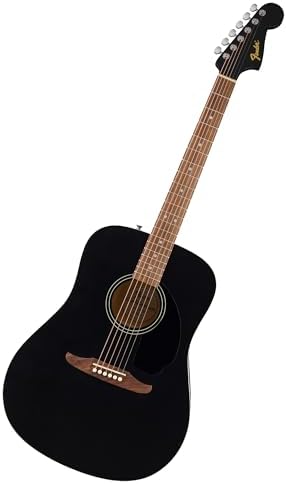
However, using floor stands for more than two guitars can become unwieldy unless you have ample space. Ensure that your guitars are positioned away from heat sources, drafts, or moisture. Ideally, the area where you store them should be acclimated to a stable temperature to help preserve their condition.
Wall Hangers
Wall hangers are another excellent option for displaying and storing your guitars simultaneously. They save floor space and create a visually appealing display, allowing you to showcase your musical collection. If you have limited space in your home, wall hangers can be particularly useful for maximizing vertical storage.
However, some musicians may be hesitant to use wall hangers due to safety concerns. Proper installation is essential to prevent accidents, and you should avoid positioning your guitars near heat sources or areas with high moisture, as this can result in long-term damage. When installed correctly, wall hangers can be a stylish and practical storage method.
Multi-Guitar Stands
For those with larger collections, multi-guitar stands offer a practical solution. Designed to accommodate five to seven instruments, these stands are stable and can help organize your guitars in a compact manner. They are especially beneficial for musicians who need to keep multiple guitars together, ensuring they’re easily accessible while providing adequate support.
Many multi-guitar stands can fit in closets, allowing you to maintain a controlled environment for your instruments. Additionally, some of these stands are engineered to distribute weight evenly, preventing excess pressure on the necks of your guitars. This option is ideal if you struggle to find storage solutions for several guitars without sacrificing space.
Storing Guitars in Cases
One of the safest ways to store your guitars is by using cases. Whether you choose a hard case or a soft gig bag, cases provide excellent protection against both environmental factors and physical damage. This method is particularly beneficial if you travel with your guitars or frequently move them around.
If you have more than one guitar, it’s advisable to store them vertically in a closet or designated space to prevent them from tipping over. When placing them in a case, it’s essential to ensure that they are supported correctly to avoid any warping or tension issues. While storing your guitars in cases can be a bit more expensive, it ultimately offers peace of mind regarding their protection and preservation.
Utilizing Closets or Dedicated Rooms

If you have multiple guitars, utilizing a closet or separate room for storage can be an effective strategy. This setup allows for greater environmental control, reducing exposure to external factors that may affect your instruments. A closet can serve as a consistent environment where temperature and humidity levels remain stable.
One significant advantage of using a dedicated room is the ability to regulate the conditions in which your guitars are stored. You can invest in thermometers and hygrometers to monitor the environment, ensuring that your guitars remain in optimal conditions year-round.
Managing Temperature
Maintaining a stable temperature is crucial for the health of your guitars. Ideally, the temperature in your storage area should hover around 68 to 75 degrees Fahrenheit. This range is generally comfortable for most living spaces and is ideal for preserving the integrity of the wood and other materials in your instruments.
Avoid placing your guitars near windows or exterior walls, as these locations can experience temperature fluctuations. If you have a thermometer nearby, you can more accurately gauge the conditions. Being aware of temperature changes is vital, as prolonged exposure to extreme heat or cold can lead to significant damage over time.
Tackling Humidity
Just as temperature is essential, so too is humidity. Both excessive and insufficient humidity can cause serious issues for your guitars. High humidity can lead to warped wood, mold growth, and rust on hardware, while low humidity can dry out the wood, causing cracks and affecting the overall sound.
The optimal humidity level for storing guitars is between 45% and 55%. If you live in an area with extreme humidity changes, consider investing in a hygrometer to monitor the moisture levels. Depending on your findings, you may require a humidifier or dehumidifier to maintain stable humidity levels.
By keeping humidity in check, you’ll be less likely to encounter problems like rusted strings or severely warped wood. Properly managing humidity is critical to ensuring your guitars remain in top-notch condition.
Reducing String Tension for Long-Term Storage
If you’re planning to store your guitar for an extended period, it’s wise to consider reducing the string tension slightly. While it’s essential to maintain some tension on the strings to prevent neck issues, you can lower it by about a step. This approach helps avoid warping, ensuring your guitar maintains its shape and playability when you decide to take it out of storage.
Leaving strings at full tension during prolonged storage can cause the neck to bow or warp. By reducing the tension just enough, you can safeguard against potential shape alterations while keeping the instrument ready for use when you retrieve it.
Final Thoughts on Guitar Storage
Choosing the best way to store your guitars is a personal decision influenced by several factors, including available space, number of guitars, and environmental conditions. It’s essential to prioritize protection against temperature extremes, humidity levels, and physical damage in your storage strategy.
Each method discussed has its own set of advantages and considerations. From traditional floor stands to wall hangers, multi-guitar stands, and protective cases, there’s a solution for every guitarist. By carefully evaluating your specific needs and circumstances, you can create an optimal storage solution that will keep your instruments safe, sound, and ready to rock for years to come. Remember, the right storage method is the one that provides your guitars with the care and protection they deserve.