The Art of Choir Warm-Ups: Techniques for Group Rehearsals
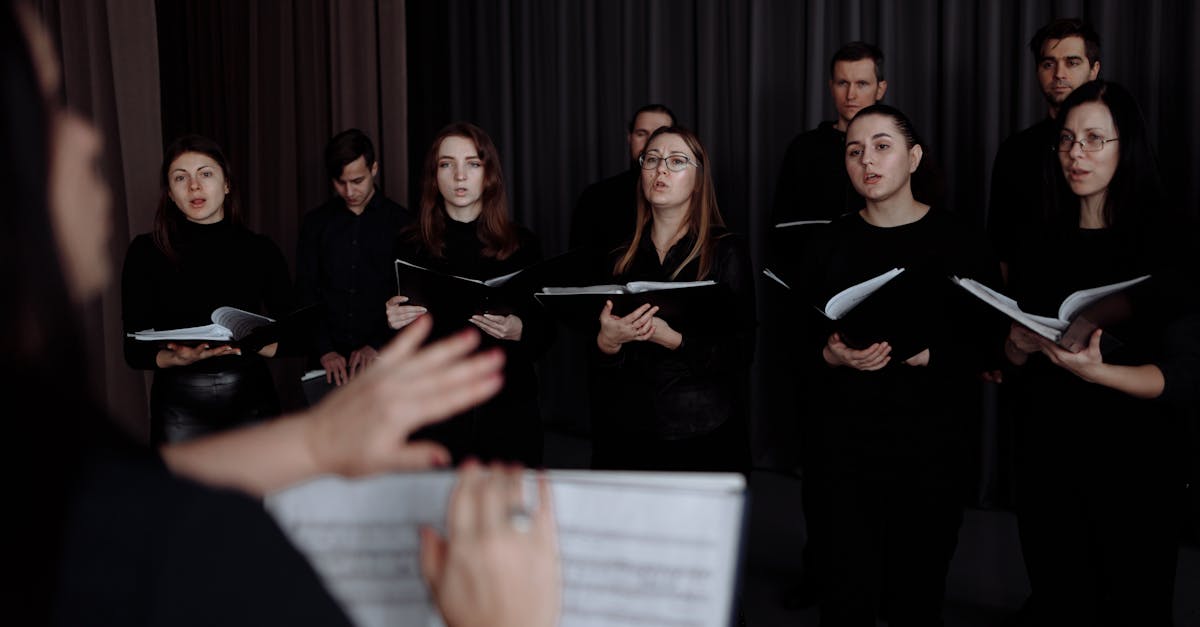
Warming up a choir can often be a challenging task. Individual singers frequently prefer to prepare their voices in solitude, and while this practice should not be discouraged, there’s immense value in warming up together as a cohesive group. Collective warm-ups not only enhance vocal skills but also foster a sense of unity within the choir.
When formulating a warm-up routine, especially for younger singers, it is crucial to create an environment where expressive voices can flourish. Typically, a healthy voice will naturally reveal itself, so encouraging singers to explore their sound while being mindful of the collective harmony is essential. My experiences with various warm-up exercises align with the principle of minimal intervention; allowing performers to discover their voice leads to clear, harmonious, and enjoyable sounds.
Choral Warm-Up Exercises
Getting started with choral warm-ups requires a structured approach. Begin with the body, transition to breath work, focus on nasal resonance, and finally warm up the vocal cords.
Preparing the Body
To effectively warm up the voice, the body must first be prepped. Here are some exercises to get everyone ready to sing:
-
Begin with Stillness: Stand still and take a deep breath. Inhale through your nose for a count of four while gradually raising your arms. If possible, touch your hands overhead. Exhale through the mouth to the count of four, lowering your arms. As you progress, extend your counts to six and then eight. When comfortable, introduce a four-count pause at the top of the inhalation.
-
Wrist and Shoulder Movements: Gently shake your wrists and let your arms dangle as they flop in front of you. Gradually shake your hands as though shaking off excess water. Roll your shoulders in a rhythmic circle, moving them up and backward.
-
Upper Body Stretches: Extend one arm forward with fingers up, then pull gently to free the wrist. Next, point the fingers downwards and repeat the action. Switch arms and repeat the process, which is particularly beneficial for conductors.
-
Neck Stretches: Clasp your hands behind your head. While exhaling, gently pull down your head. (For those with neck concerns, exercise caution or skip this step.) On inhalation, lift your elbows and head, repeating this movement a few times.
-
Partner Stretching: Turn to your neighbor singer and massage their shoulders before switching positions.
-
Final Breath Preparation: Stand quietly with relaxed arms at your sides. Inhale deeply while raising your arms overhead, ensuring your shoulders remain relaxed. As you exhale, lower your arms, maintaining a proud chest and relaxed shoulders.
These exercises work effectively even in tight spaces and help transition the body into a state ready for singing. The focus should always be on freeing the voice and preparing the body for vocal engagement.
Breathing Techniques for Singing
Once the body is energized, it’s time to engage the breath, equipping singers for vocalization. The following exercises will enhance breathing control:
-
Palming the Rib Cage: Place your palms on the bottom of your rib cage, fingers touching in front. Take slow, deep breaths, letting your fingers separate as you inhale fully.
-
Sustained Breaths: Try hissing for a prolonged period while elevating your rib cage. Practice a series of short hisses, mixing them with sustained sounds.
-
Pitch Exercises: Inhale and sing on a comfortable mid-range pitch, using syllables like “Sah-sah-saaaaaaaaaaaah.” Follow with staccato patterns.
-
Imaginary Exercises: Visualize blowing out candles on your fingers, tossing a ball, or ringing an imaginary bell. Each activity should involve a controlled breath to create a fluid connection with sound.
These methods promote a seamless flow of air, which is vital for crafting a beautiful tone.
Nasal Preparation for Singing
With the body and breath prepped, it’s important to prepare your nasal resonance. A well-balanced sound is essential for choral singing:
-
Humming with Awareness: Have the singers hum softly with their lips closed, moving the tongue gently as if they were about to say “n.” Gradually incorporate varying pitches and glissandos.
-
Vowel Harmony: Introduce vocal exercises like “ni-ne-na-no-nu” while making gentle circular movements with your hands. This encourages optimal resonance.
Observing how the sound changes with and without nasal resonance can indicate the ideal balance for achieving a full, rich tone.
Vocal Warm-Up Exercises
Once the body and resonance are fully prepared, it’s time to awaken and extend the full range of the voices. Effective vocal exercises include:
-
Arpeggio Practicing: Use the arpeggio pattern of do-mi-sol-do-ti-sol-fa-re-so to engage the singers. Sing on syllables like [u] and [a], incorporating body movements to enhance energy.
-
Scales and Vocalizes: A structured scale exercise employing both ascending and descending patterns can significantly open vocal registers. Encourage movement in the body while performing these exercises to enhance breath connection.
Achieving a Beautiful Choral Sound
After activating the body, breath, nasal resonance, and vocal cords, it’s time to focus on achieving a beautiful sound. The final element should be vocal beauty:
-
Unified Pitch Exercise: Begin with a mid-pitch note, humming quietly and gradually growing louder, shifting through the vowels of [u], [o], and [a]. Unifying these vowels will often bring forth overtones indicative of harmonious singing.
-
Creating Resonance: To ensure rich sound, keep the larynx low and encourage the singers to maintain relaxed lips and tongue. Engage expressiveness in your singers’ faces, simulating the joyful surprise of inhaling a delicate fragrance.
Remember, daily vocal warm-ups can require only 10 to 15 minutes. A rule of thumb is to allow a portion of rehearsal time, about 20 to 25 percent, for warm-ups. Finding a routine that works for your choir will yield consistent results.
Characteristics of a Good Choir Voice
A successful choir voice exhibits several key attributes:
- Pitch-Centered: Singers must focus on centering pitches accurately.
- Effortless: Good singing should feel natural; unnecessary tension should be avoided.
- Rich Resonance: Techniques that promote a low larynx and relaxed articulators contribute to a universally beautiful sound.
- Pleasant Vibrato: Vibrato should emerge naturally as singers engage their voices freely. While a healthy vibrato is natural, it should not become a distraction.
The Importance of Blend
Achieving a unified sound depends on developing shared concepts of pitch, vowel shapes, rhythms, and overall dynamics. Encourage all singers to work together to:
- Sing the same pitch and vibration.
- Maintain unified vowels and rhythms.
- Articulate accordingly, whether staccato or legato.
- Balance and blend their unique timbres.
General Health Guidelines for Singers
Vocal health is paramount for singers. Here are some suggestions to maintain vocal well-being:
- Stay Active: Regular aerobic exercise supports vocal conditioning and oxygenates the body.
- Hydration: Keep hydrated with water and minimize dehydrating substances.
- Nutrition: Emphasize a balanced diet rich in fiber and nutrients, avoiding foods that promote mucus production.
- Warm-Up Regularly: Engage the voice daily using simple humming or vocal exercises.
- Rest When Needed: Allow your voice to recover when ill, and avoid potential contaminants by maintaining good hygiene practices.
Principles of Vocal Training
Understanding some foundational principles of vocal training can significantly enhance a choir’s overall performance:
- Encourage a blended approach to vocal registers.
- Foster freedom in the process of developing various vocal techniques.
- Utilize terms that promote confidence, celebrating the unique aspects of each singer’s voice.
Suggestions for Effective Choir Rehearsals
- Rehearse phrases backward to build confidence.
- Begin with the most beautiful or expressive sections of a piece to motivate singers.
- Eliminate the focus on technicality during performances; shift to expression to engage your audience.
- Use constructive methods for achieving agility with simple exercises before progressing.
Vocal Warm-Ups for Choir: Final Thoughts
This overview offers a thorough exploration of vocal warm-ups for choirs, presenting various techniques and practices aimed at enhancing the rehearsal experience. While the quantity of exercises may seem overwhelming at first, incorporating even a few can make a significant difference in a choir’s performance and connection.
Engaging in vocal exercises daily, no matter how simple, will foster improvement and vitality within your choir. Embrace the playful exploration of sound and the joy of singing together, allowing your collective voices to shine brilliantly.